Category 3 Overland Flow in Auckland: Mitigation and Structural Drying
Auckland CBD Water Ingress Case Study: Cavity Drying
Heritage Villa Water Damage: Auckland Drying and Restoration Guide

Winter Dampness and Carpets in Auckland: Prevention and Drying Guide
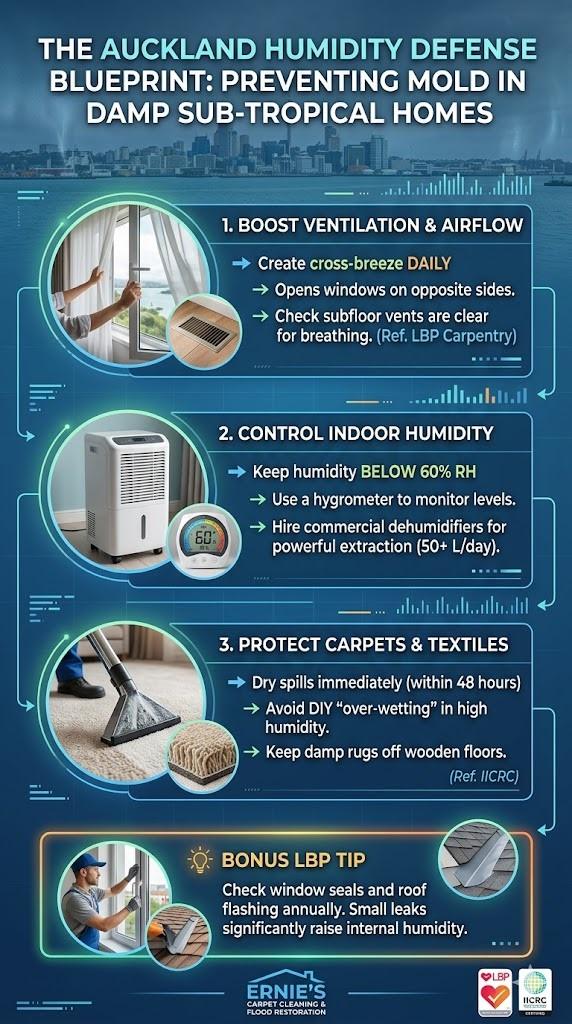
Beating Auckland Humidity: Professional Guide to Preventing Home Mold

Power Bills & Dehumidifiers: Fairly Calculating and Splitting Costs in Auckland
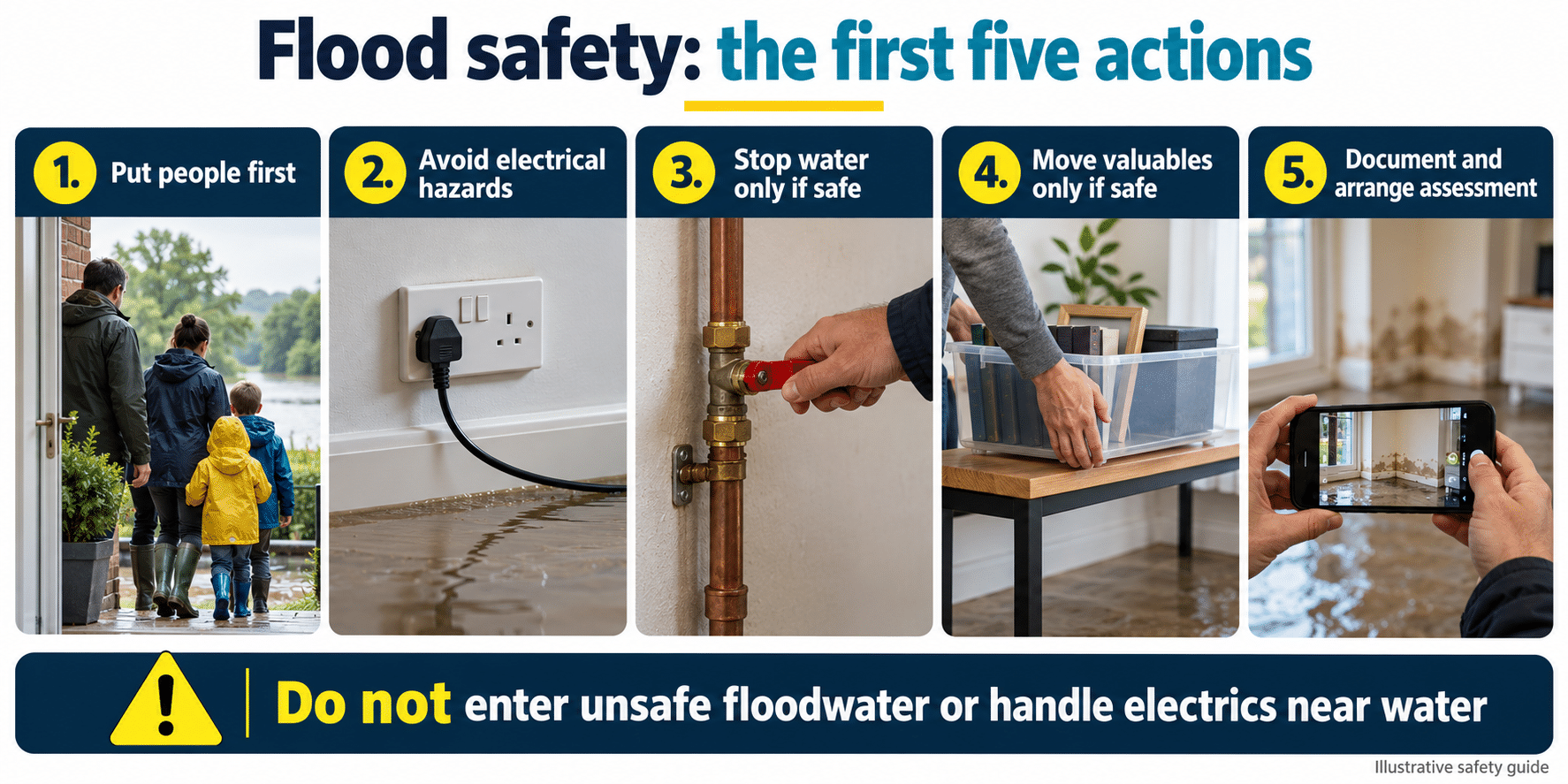
Is Your Auckland Rental Habitable After a Flood? A Practical Guide
Healthy Homes Moisture and Drainage: Auckland Rental Flood Guide
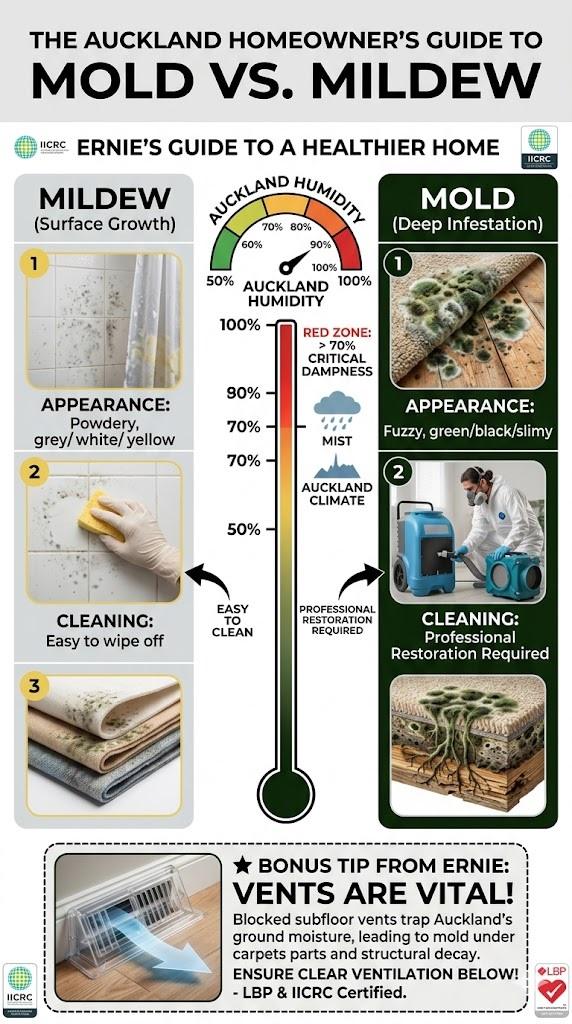
Mould vs Mildew in Auckland: What It Means and What to Do
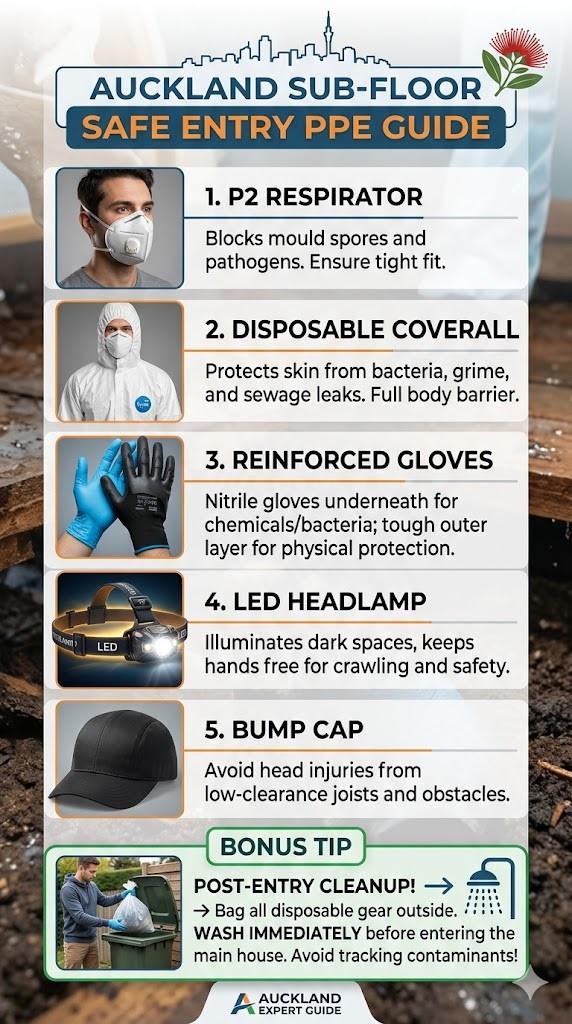
DIY Safety: The Essential PPE Guide for Auckland Sub-floors and Basements

HEPA Filtration 101: Why Air Scrubbing is Non-Negotiable for Sewage Backups
Auckland Flood Silt Cleanup: Safety and Drying Guide
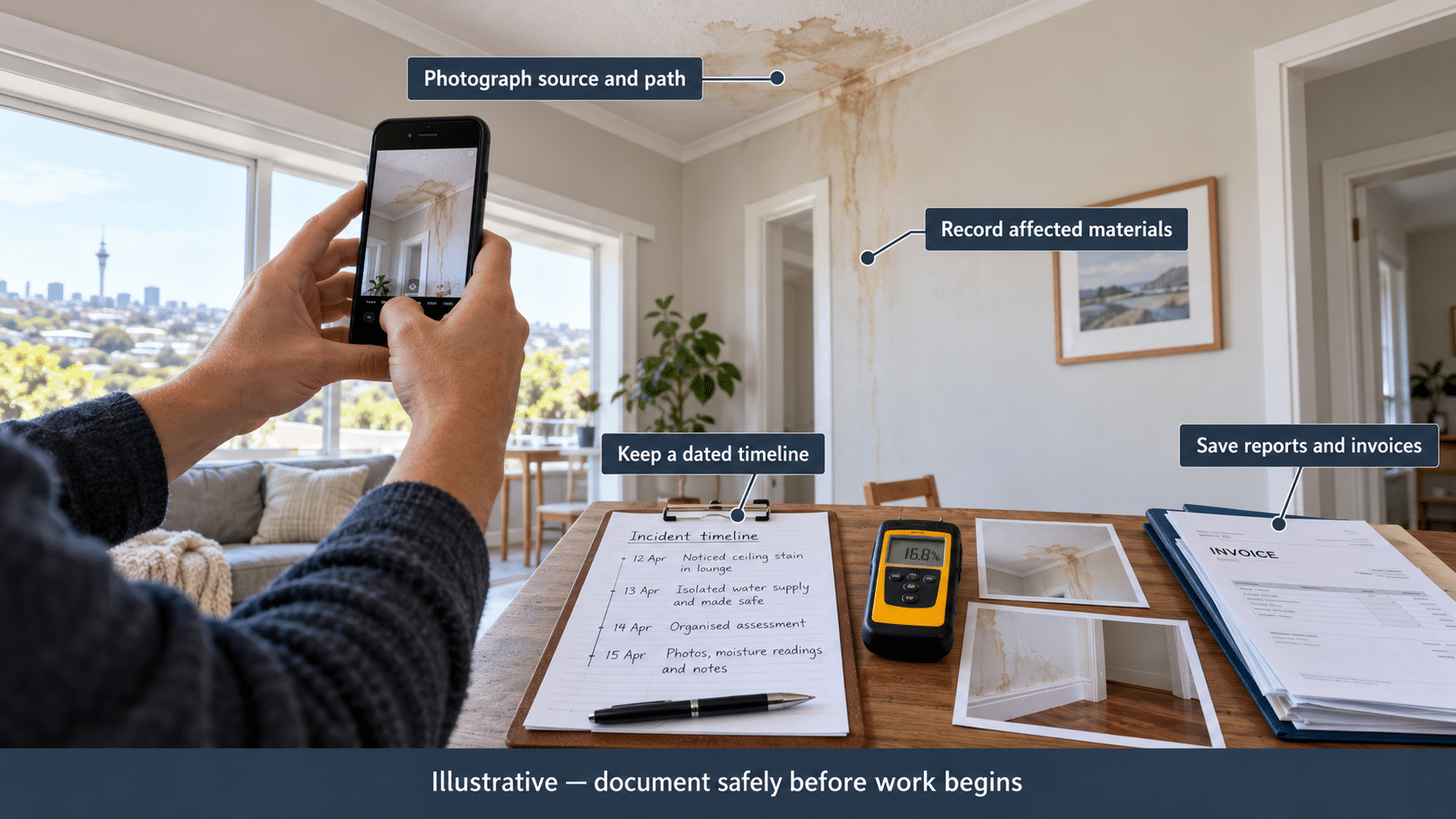
Forensic Documentation Checklist: Photographing Water Damage Before Demolition
After a Flood or Leak: Insurance Claim Steps and Urgent Damage Control
Land Scour and Silt After a Flood: Auckland Claim and Cleanup Guide
NHCover and Private Insurance: A Plain-English Guide for Auckland Homeowners
Auckland Flood Repairs: When Do You Need Building Consent?
Auckland Stormwater and Wastewater: What Homeowners Need to Check
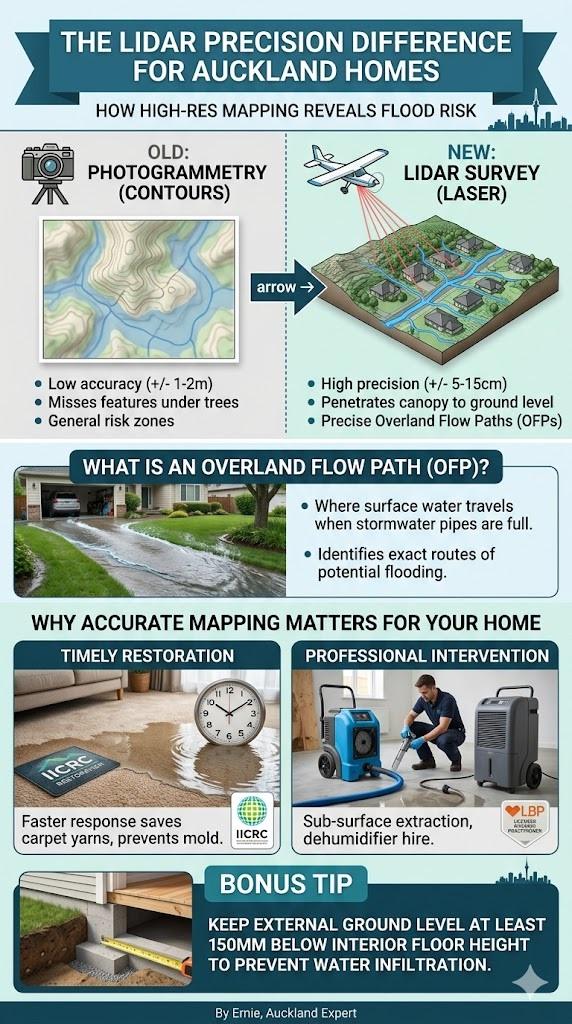
Auckland’s New Flood Models: How LiDAR Maps Impact Your Property

Small Dwelling Moisture Planning in Auckland: A Practical Guide
Auckland Flood Restoration and Carpet Drying Guides
After a leak, flood or wet-carpet emergency in Auckland, make the area safe, stop the water source where safe, then use the guide below that matches the affected material or risk. These pages explain the first steps, drying decisions and documentation that help you act before further damage develops.
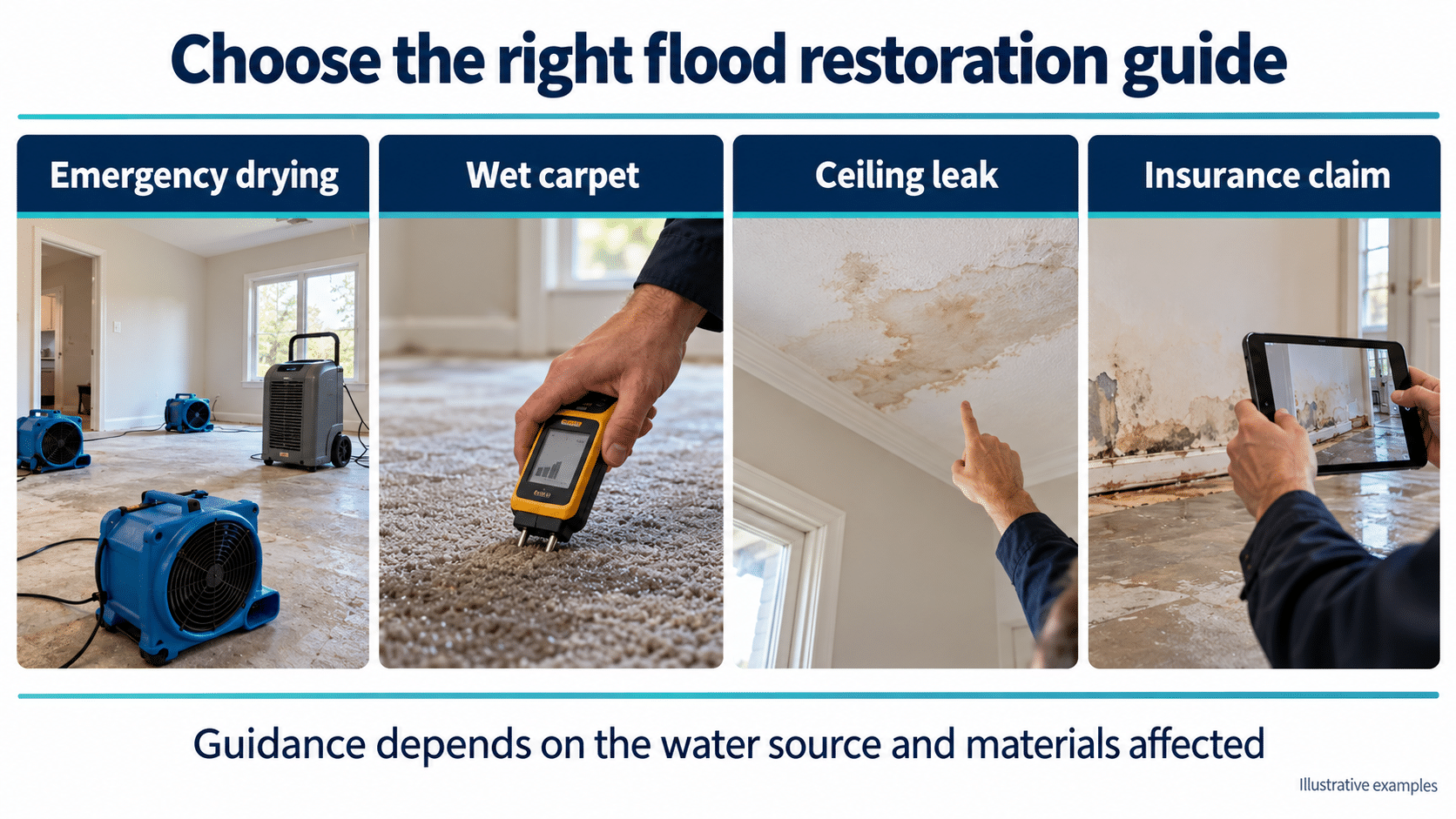
Find the right Auckland water-damage guide
| If you are dealing with | Start here |
|---|---|
| Water still present or a newly wet carpet | Emergency carpet drying steps |
| A sagging, stained or wet ceiling | Ceiling leak guide |
| An insurance claim after water damage | What to document |
| A damp smell or suspected concealed moisture | Hidden moisture guide |
Browse all Auckland flood restoration and drying guides.
First actions after a leak or flood
- Auckland flood safety checklist
- Emergency carpet drying: the 60-minute action plan
- How to safely shut off utilities
- Electrical hazards in standing water
Hidden moisture and structural drying
- How long flood recovery can take
- Why wet carpet underlay needs attention
- How moisture mapping finds concealed damp
- Drying hidden wall cavities and ceiling voids
Drying equipment and flood restoration
- Carpet dryer hire in Auckland
- Dehumidifier hire for flood drying
- LGR versus desiccant dehumidifiers
- Centrifugal versus axial air movers
Flood cleanup and contamination
- Contaminated floodwater hazards
- Flood silt cleanup and drying
- Cleaning belongings after a flood
- Mould cleanup risks after water damage
For urgent assistance, visit our Auckland flood restoration and carpet drying service.
Flood restoration guide FAQs
What should I do first after water damages my carpet or home?
Make the area safe, stop the water source if it is safe to do so, keep clear of electrical hazards and arrange an assessment. Prompt extraction and controlled drying can reduce secondary damage.
Can a wet carpet be saved after a leak?
Sometimes. It depends on the water source, how long it remained wet, whether the underlay and subfloor are affected, and whether the carpet can be cleaned and dried safely.
When should a ceiling leak be treated as urgent?
Treat a ceiling leak as urgent when there is active dripping, bulging or sagging linings, staining near electrical fittings, or any concern about the source of water.