After water damage, clear dated records can help explain what happened, what was affected and what restoration work was completed. Start by photographing the water source and affected rooms, recording the date and time, taking reasonable steps to prevent further damage, and keeping invoices and moisture-monitoring records. Your insurer and policy determine cover, exclusions and claim requirements.
Documented Auckland example: recording water travel beyond the first room
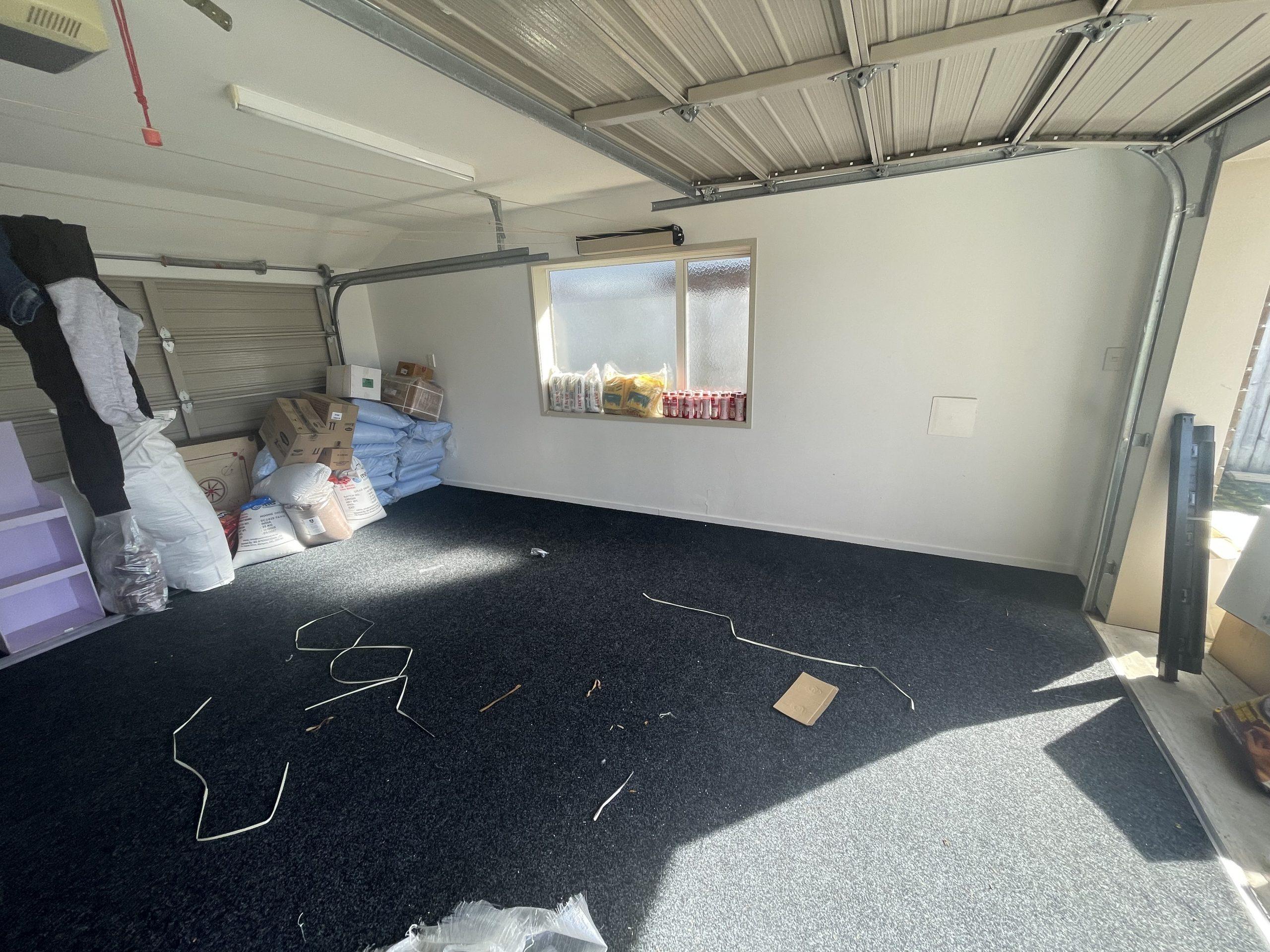
| Record point | What the documented job showed |
|---|---|
| Initial area and water path | Water was initially identified in the garage and travelled into the hallway, bedroom and wardrobe. |
| Mitigation record | Extraction used a Water Claw, followed by controlled drying with air movers. |
| Monitoring record | The 17-day drying programme was adjusted when slower-drying areas were identified. |
Why this matters: records should separate what was observed, the steps taken to limit further damage, and later monitoring. That gives an insurer or assessor clearer context; the policy and insurer still determine cover and claim requirements.
Read the full documented washing-machine leak case study.
This is one documented leak case. It is not a promise of insurance cover, claim acceptance, costs or a 17-day drying result for another property.
What should I document after water damage?
| Record | What to capture | Why it helps |
|---|---|---|
| Initial damage | Photos and video of the water source, water path, staining and affected rooms. | Shows conditions before clean-up and repairs. |
| Timeline | Date and time discovered, when the source was stopped and who attended. | Creates a clear event sequence. |
| Affected materials | Carpet, underlay, flooring, wall linings, cabinetry and ceilings. | Helps identify the extent of the event. |
| Mitigation and drying | Extraction, equipment, monitoring and final moisture verification records. | Explains restoration work completed. |
| Expenses and communication | Invoices, reports, claim number and correspondence. | Keeps claim information together. |
First actions after a leak or flood
- Make the area safe. If water is near electrical services or the source cannot be safely stopped, contact an appropriate tradesperson or emergency service.
- Stop further damage where practical. Move items out of the water path and arrange extraction or drying assessment.
- Photograph before removing materials. Capture wide views, close-ups, the apparent source and visible damage.
- Contact your insurer or broker. Ask what they need, note the claim number and follow their instructions.
- Keep restoration records. Reports, invoices and moisture readings document the work undertaken.
What restoration records can show
A water-damage report may record affected rooms and materials, water category assessment, extraction and cleaning work, drying equipment placement, moisture readings and final condition. These records are not a coverage decision; they help establish what was found and what work was carried out.
For the first 24 hours after a flood, see our emergency carpet-drying action plan. If you are a tenant, owner or manager, see our flooded-apartment guide. For factors affecting restoration pricing, read Flood Restoration Cost Auckland.
Frequently asked questions
Should I wait for an insurer before starting water extraction?
Follow your insurer’s instructions. Taking reasonable steps to prevent further damage, recording conditions and retaining invoices can help explain the work completed.
What photos should I take for a water-damage claim?
Take wide photos of each affected room, close-ups of the apparent source and damage, affected flooring or ceilings, and photos before materials are removed.
Can a restoration company provide documentation?
A restoration provider can document affected materials, mitigation work, equipment and moisture monitoring. The insurer decides cover and any claim outcome.
What if hidden moisture is found later?
Update the insurer or broker with the new findings and supporting photos or report. Hidden moisture can occur behind skirtings, under flooring, in cabinetry or in ceiling and wall cavities.
Carpet Drying Force provides water extraction, structural drying, moisture monitoring and restoration documentation for Auckland properties affected by leaks and floods.
For independent information about policy cover, evidence and managing a claim, see Consumer Protection’s insurance guidance.