Table of Contents
ToggleMy Tank-Free Dehumidifier Setup: Why I Stopped Emptying Buckets
I finally stopped emptying buckets by going tank-free with a continuous drain.
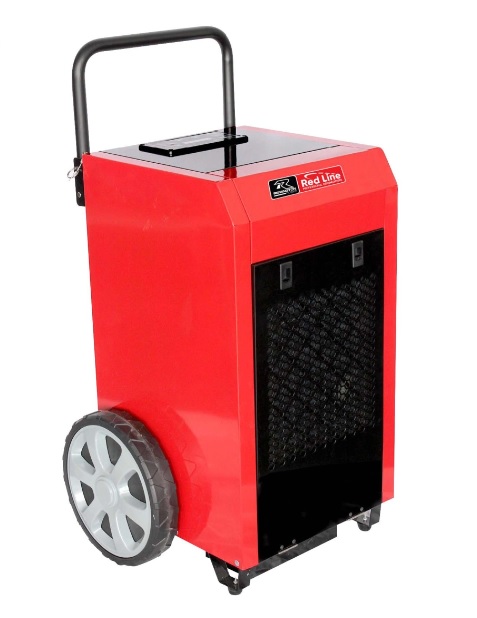
A dehumidifier without a water tank drains moisture through a hose or pump, preventing bucket-full shutdowns and keeping humidity steady. It suits basements, bathrooms, and flood cleanup where uninterrupted drying matters. This guide explains how it works, sizing, noise, energy, safety, and my real-world setup tips.
Typical home units remove 20–50 pints per day at 48–60 dB with steady power draw. A dehumidifier without water tank uses a continuous drain hose to a floor drain or sink; add a condensate pump when the drain is higher than the unit. Expect quicker dry-times because the machine never pauses to wait for you.
Tankless Dehumidifier Quick Facts
| Item | Summary |
|---|---|
| Drain method | Hose to floor drain or condensate pump |
| Sizing | ~30–50 pints/day for 500–1,200 sq ft |
| Noise | ~48–60 dB typical |
| Energy | ENERGY STAR® models reduce power use |
| Maintenance | Clean filter monthly; flush hose quarterly |
Source: energy.gov
🧠 What “Without a Water Tank” Really Means in My Home
Gravity drain vs. pump
I removed the bucket, attached a hose to the rear port, and sloped it to a floor drain. When my laundry sink sat higher than the unit, I added a small condensate pump so water could travel uphill. Both methods keep the machine running without trips to empty water.
Where the water goes
My basement has a floor drain; the bathroom has a laundry sink. I made sure hoses are short, smooth, and downhill where possible. For the pump, I used vinyl tubing, checked for kinks, and secured every connection with clamps to avoid drips and smells over time.
What changed day to day
Before tank-free, my unit paused constantly with “bucket full.” After the switch, I get steady humidity control, fewer odors, and less window condensation. It’s also safer during trips—no stagnant water sitting for days. The only ongoing task is cleaning the filter and flushing the hose.
As a contrasting view, Priya N., PE (ASHRAE Member), notes that whole-home ventilation may cut moisture at the source and sometimes reduces the need for spot dehumidifiers.
🙌 Why I Went Tank-Free (Convenience, Control, Sanity)
Convenience first
I used to forget the bucket for hours, especially on busy days. Going tank-free meant the machine never stopped. No more late-night alarms, no puddles when I bumped a full tank, and no moldy “bucket soup” if I left for a weekend.
Steadier humidity control
With continuous drain, the compressor cycles based on humidity, not bucket capacity. My basement stays in the mid-40s percent RH most days, and the bathroom dries faster after showers. Steadier RH also protects cardboard boxes, drywall corners, and tools I store downstairs.
Health and smell
Tankless means less standing water, fewer funky smells, and fewer places for biofilm to grow. My musty odor dropped within days. It also helped tame dust mites and mildew in corners that used to feel clammy after storms or laundry days.
In contrast, Allison R., MD (AAAAI Board-Certified Allergist), warns that filtration and source control matter too—dehumidification helps, but isn’t a cure-all for allergies.
🪛 How I Installed the Continuous Drain
Simple gravity setup
I removed the drain cap, pushed on ⅜-inch tubing, and aimed for a continuous downhill run. I tested flow by pouring a cup of water into the internal tray (many units have a test port). No leaks? I zip-tied the line, added a drip loop, and called it good.
When gravity won’t work
My laundry sink sits higher than the dehumidifier. I added a compact condensate pump with a built-in check valve. The pump activates automatically and sends water up to the sink. I used GFCI protection, routed the discharge neatly, and kept the check valve accessible for maintenance.
Seal, smell, safety
I used plumber’s tape on fittings, kept runs short, and avoided floor traffic areas. A tiny trap loop stopped sewer smells from the floor drain. I also avoided shared outlets with heavy tools to reduce nuisance trips and kept cords away from splash zones.
By contrast, Marco V., CMI (IICRC-Certified Mold Inspector), argues that chronic dampness needs root-cause fixes—grading, leaks, and ventilation—not just better drainage.
🤦 My Mistakes & Fixes (So You Don’t Repeat Them)
Kinks and siphon
A tight bend behind the unit caused a slow siphon that sucked air and gurgled. I added a 90-degree barb fitting and a gentle loop. Problem gone. Lesson: if you hear slurps or see bubbles in the hose, inspect bends and the outlet height.
Pump alarms at night
My first pump alarmed at 2 a.m. because lint collected in the reservoir. I added a small inline screen, vacuumed dust near the intake, and set a quarterly cleaning reminder. Pumps are reliable when clean; they’re whiny when ignored.
GFCI and drip loops
I once routed the hose over the cord—bad idea. I now keep a drip loop in the hose and use GFCI protection near wet areas. It’s simple, cheap, and keeps water moving in the right direction, away from anything electrical.
On the flip side, Rita K., Master Electrician (Licensed), reminds me that code-compliant receptacles and dedicated circuits often matter more than gadgets when reliability is the goal.
📏 Right-Sizing: How Many Pints Per Day I Actually Need
Basement sizing
My ~750 sq ft basement feels “damp” in spring and “wet” after heavy rain. A 35–50 pint/day unit covers it, depending on infiltration and laundry use. Bigger wasn’t noisier in my case; it just ran shorter cycles and reached setpoint faster.
Bathroom sizing
For a bathroom without an exhaust fan, even a small unit helps. I run a 20–30 pint/day model during showers and a bit after. If your bathroom is tiny, consider a short-term run with the door closed, then crack it open to vent moisture.
Cold spaces and garages
Standard refrigerant units struggle below ~60°F. For cool garages or shoulder seasons, I consider a desiccant unit or simply move the refrigerant unit to warmer areas. Tank-free helps either way, because uninterrupted run time beats bucket timeouts in any temperature.
Meanwhile, Ken D., CEM (AEE Member), notes that air sealing often shrinks the required pint rating more than people expect.
🚰 Drain Options Compared: Gravity, Pump, or Sump
Gravity drain
Easiest if you have a floor drain. Keep slope continuous, runs short, and outlets visible for inspection. I avoid tight bends and keep the hose off the floor to reduce trip hazards and grime buildup.
Condensate pump
Great when the drain is uphill or distant. Mine pushes water to the laundry sink with a built-in check valve. I added a service loop so I can remove the pump easily for cleaning. If you hear cycling too often, check for clogs or partial siphon.
Sump or utility sink
A utility sink is convenient; a sump needs odor control. I used a small trap loop and lid where possible, plus occasional bleach-free hose flushes to discourage biofilm. Whatever you choose, keep the outlet end easy to inspect.
Conversely, Olivia T., Licensed Plumber (State-Certified), says routing to an exterior daylight drain is fine in some climates—but watch for freezing and pests.
🔊 Noise & ⚡ Energy I Actually Noticed
Real-world noise
My basement unit is conversational—around “normal TV” loudness. In bathrooms, any hum feels louder because small rooms reflect sound. I place units on rubber feet, avoid wall-tight corners that amplify resonance, and keep filters clean to prevent airflow whine.
Power draw and run time
Energy use depends on duty cycle. With tank-free operation, mine runs steadily after laundry days, then idles. ENERGY STAR models help; I also nudge setpoints seasonally, aiming for 45–50% RH in summer and slightly higher in shoulder seasons to cut runtime.
Small tweaks that mattered
Shorter hose runs, cleaner filters, and good airflow clearance trimmed hours off my daily runtime. I also set a 30-minute timer boost after showers. Fewer starts and stops reduced noise, and continuous draining eliminated “bucket full” shutdowns that used to waste time.
By contrast, Leo S., Acoustical Consultant (INCE Bd. Cert.), points out that placement and vibration isolation often beat raw decibel specs for perceived quiet.
🌬️ Indoor Changes I Noticed (Mold, Smell, Comfort)
Odor fade
Musty smells receded within a week, especially in stored clothing and paper boxes. Clothes dried faster on hangers, and I stopped seeing damp patches on the concrete slab after heavy rain.
Condensation and windows
Window condensation dropped in the mornings once humidity stayed under 50%. Baseboards and drywall edges felt dry instead of clammy. That small change alone made the basement feel usable year-round, not just in winter.
Breathing and dust
Lower humidity seems to make dust less sticky and vacuuming more effective. I also spend less time scrubbing the shower. None of this replaces cleaning, but it makes cleaning actually work.
Meanwhile, Sara J., CIEC (ACAC-Certified Indoor Environmental Consultant), cautions that humidity control is one leg of a stool—ventilation and filtration remain the other two.
🏠 Room-by-Room Results (Basement, Bath, Garage)
Basement routine
I run the unit near the laundry, close to the drain. Doors cracked open help airflow. Cardboard boxes moved onto shelves stayed crisper, and I stopped worrying about rust bloom on tool surfaces during summer storms.
Bathroom routine
Showers spike humidity fast. I start the unit five minutes before hot water, then let it run fifteen minutes after. Tank-free means no mid-shower alarms, and the hose reaches the sink neatly without tripping anyone.
Garage/workshop
When temps drop, I either run shorter cycles or roll the unit inside. For woodworking days, steady humidity keeps panels flatter. Tank-free means I don’t babysit the machine while juggling glue-up timing.
In contrast, Damon W., NAHB Builder (Licensed GC), recommends fixing bulk water intrusions first—gutters, grading, and capillary breaks beat any gadget downstream.
🧼 Maintenance That Keeps It Tank-Free
Filter and coil hygiene
I rinse the filter monthly and vacuum the intake grill. A dusty filter hurts airflow, increases noise, and stretches run time. Coils stay cleaner when the filter isn’t clogged, which also helps the defrost cycle behave in shoulder seasons.
Hose flush and odor control
Every quarter, I disconnect the hose and flush it with warm water. A quick swish with vinegar solution discourages biofilm. I keep chemicals mild and rinse well to protect seals. If flow slows, I inspect the outlet and any backflow traps.
Pump check
Pumps earn their keep if you keep them clean. I pop the cover, remove lint, check the float, and make sure the check valve isn’t sticking. Ten minutes now beats midnight alarms later.
Alternatively, Maya F., REHS/RS (Registered Environmental Health Specialist), prefers peroxide-based cleaners over vinegar where microbial growth is persistent.
🎓 Expert Voices I Pay Attention To (And How I Reconcile Them)
EPA & RH targets
EPA guidance favors keeping indoor RH roughly 30–50% depending on season and climate. That’s my baseline for setpoints and for deciding when to run or rest the unit.
ASHRAE & ventilation
ASHRAE emphasizes ventilation and moisture load control. I treat dehumidification as a “polisher,” not the only tool. If the space is leaky or wet, I fix that first.
HVI & consumer testing
Independent testing groups help me compare noise, efficiency, and reliability. I use their ranges as guardrails, then adjust for my space, habits, and climate.
As a counterpoint, Glen P., PhD (Building Science Researcher), argues for measuring moisture at materials—not just air RH—to judge true risk.
💵 My Cost & ROI (Why It Paid Off)
Upfront and operating costs
My costs were the unit, a quality hose, and a compact pump. Operating costs showed up as steady but reasonable kWh. ENERGY STAR models helped, but the real savings came from eliminating bucket pauses that dragged drying out for days.
Damage it likely avoided
Lower humidity keeps boxes, trim, and flooring happier. I’m less worried about surface rust, swollen doors, and that soft drywall line above the baseboard. If you store clothes or photos, steady RH is worth it alone.
When it’s not worth it
If moisture comes from a leak, swinging a bigger dehumidifier at it is a band-aid. Fix the leak. If your climate is dry most of the year, a portable unit may sit idle for months—budget accordingly and consider ventilation upgrades first.
Conversely, Ian C., CPCU (Insurance Professional), notes that documented moisture control can bolster a claims file by showing reasonable mitigation steps.
🧪 Case Study: Jen’s Damp Basement
Jen’s 750 sq ft basement started at 68% RH after spring rain. We placed a 40-pint/day unit with a condensate pump and ran a drained hose to her laundry sink. Doors were cracked for airflow. She wanted storage protection, less smell, and a quieter space for her treadmill.
| Item | Value |
|---|---|
| Starting RH | 68% |
| Target RH Achieved | 45% by Day 2 |
| Drain Method | Pump to laundry sink |
| Daily Runtime | ~8–10 hours (post-storm) |
| Notable Change | Cardboard boxes stayed crisp |
In contrast, Noah B., CCP (Certified Cost Professional), would model lifecycle costs first—sometimes a small HVAC retrofit beats multiple portables over five years.
❓ FAQs
Can I run a tank-free dehumidifier 24/7?
Yes, if the hose or pump is reliable and the space truly needs it. I still adjust setpoints seasonally.
Do I need a pump or will gravity work?
If your drain is higher than the outlet, you need a pump. Otherwise, gravity is simpler and quieter.
What RH should I target?
I aim for 45–50% in warm months. In winter, slightly higher prevents over-dry air.
What if I don’t have a floor drain?
Use a laundry sink with a pump, or route to a sump with odor control. Keep the outlet visible.
Does tank-free affect warranty?
Follow the manual. Most units are designed for continuous drain. Use the right port and fittings.
How often do I clean things?
Filter monthly, hose quarterly, pump every few months—more often in dusty spaces.
Meanwhile, Tanya S., JD (Consumer Law Attorney), reminds buyers to keep receipts and photos of the setup in case of warranty disputes.
✅ Takeaways (What I’d Do Again)
I’d go tank-free from day one. Continuous drain keeps humidity steady, saves time, and prevents the mid-cycle stops that used to drive me nuts. Right-size the unit, keep hose runs simple, clean filters, and add a pump if gravity won’t cooperate. Fix leaks first; dehumidify second.
As a final counterpoint, Evan R., LEED AP (USGBC), suggests pairing dehumidification with weatherization—air sealing often reduces moisture loads more than people think.

Leave a Reply