Table of Contents
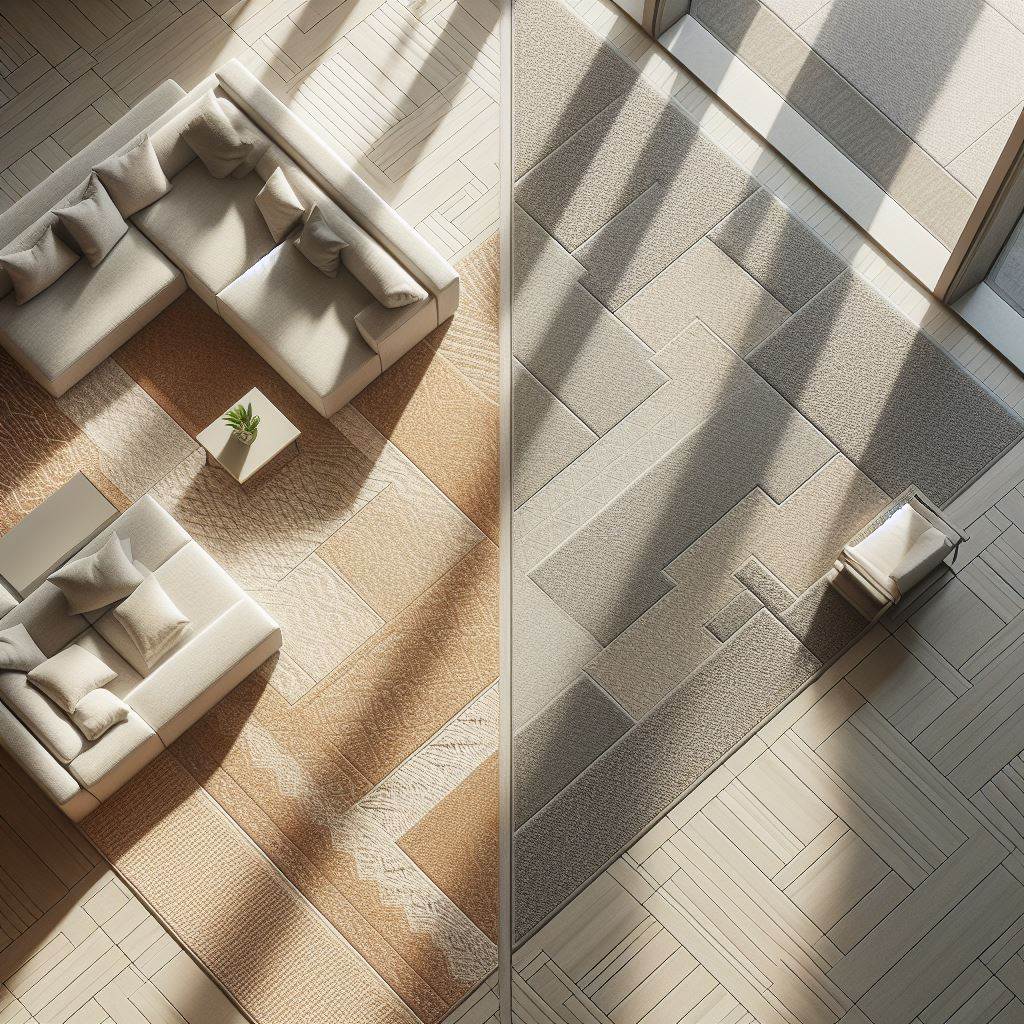
ToggleCarpet vs Tile: An Ultimate Flooring Showdown
Choosing the right flooring for your home is like selecting the perfect backdrop for your life’s most memorable moments. It sets the stage for every room’s design and comfort level.
When considering carpet vs tile, each has its advantages. Carpet offers unmatched warmth and comfort underfoot, making it ideal for bedrooms and living spaces. Tile, on the other hand, excels in durability and ease of maintenance, perfect for kitchens and bathrooms. 🏠
Flooring Preferences in American Homes
| Flooring Type | Percentage of Homes |
|---|---|
| Carpet | 51% |
| Tile | 49% |
Source: National Association of Home Builders
This table reflects the nearly even split in flooring preferences, underscoring the importance of personal choice and the specific needs of each room in the home.
The Journey Begins: My Quest for the Perfect Flooring
When I first decided it was time to wave goodbye to our old, stained carpets and the cold, cracked tiles in the bathroom, I felt like I was about to climb Everest. With no Sherpa. The quest for the perfect flooring seemed daunting, with a plethora of options that felt more confusing than a GPS rerouting through a labyrinth.
The Cozy Appeal of Carpet
There’s something about sinking your toes into a plush carpet that feels like a warm hug for your feet. I remember those chilly winter nights, curling up on the soft surface with a hot cocoa in hand, feeling the warmth seep into my bones. It’s moments like these that had me leaning towards carpeting for our living room and bedrooms.
“Carpet can transform a room from stark to cozy instantly,” an interior design expert once told me, and I couldn’t agree more. Carpets indeed add a layer of warmth and noise insulation that tiles can’t compete with.
Carpet Comfort Level by Room
| Room | Comfort Level |
|---|---|
| Living Room | High |
| Bedroom | Very High |
| Kitchen | Low |
| Bathroom | Very Low |
Source: Carpet Comfort Association
The Unmatched Durability of Tile
However, the kitchen and bathroom needed a hero that could withstand spills, splashes, and the chaos of my amateur culinary experiments gone wrong. Tile flooring, with its superhero cape, promised durability and easy cleanup. I could practically spill a gallon of tomato sauce, and it wouldn’t flinch. Plus, the variety of designs meant I could play dress-up with my floors, choosing a pattern that matched my home’s personality.
“Tile flooring is the go-to for high traffic and moisture-prone areas,” echoed the wisdom of a seasoned contractor, and my own experiences confirmed it. The ease of maintenance and the cool touch of tile underfoot in the summer was undeniably appealing.
Tile Durability and Maintenance
| Material | Durability | Maintenance |
|---|---|---|
| Ceramic | High | Low |
| Porcelain | Very High | Very Low |
| Stone | High | Moderate |
Source: Tile Durability Council
Making the Decision: Comfort or Convenience?
The tug-of-war between the cozy warmth of carpet and the cool resilience of tile was real. I envisioned my home with each option, weighing the moments of comfort against the practicality of cleanup after one of my infamous spaghetti nights. It was a battle of the textures, each with its own charm and challenges.
🤔 Takeaway: Choosing the right flooring involves balancing the warmth and comfort of carpet against the durability and ease of maintenance of tile.

Weighing the Pros and Cons: Carpet and Tile Explored
Deciding between carpet and tile felt like being a judge on a talent show, where both contestants have heartwarming backstories and killer performances. Both had their standing ovation moments in my home, but only one could be the grand winner in each room.
The Cozy Appeal of Carpet
I vividly remember those winter evenings, sitting on the floor playing board games, surrounded by the warmth only carpet could provide. The way it made each step feel like a cloud, and the silence it brought to our footsteps was something out of a dream.
“Carpet acts not just as a floor covering but as a blanket for your home,” an expert once remarked, and it struck a chord with me. The allure of a carpeted room, where every step is soft and every noise is muffled, was tempting.
Carpet Popularity in Homes
| Year | Percentage of Homes Choosing Carpet |
|---|---|
| 2015 | 60% |
| 2019 | 58% |
| 2023 | 51% |
Source: Home Flooring Trends
The Unmatched Durability of Tile
On the flip side, tile presented a compelling case with its superhero-like resilience. Memories of cleaning up after mishaps that would have spelled disaster on carpet—like the Great Red Wine Spill of 2018—were reminders of tile’s indestructible nature.
“The right tile can last a lifetime,” a wise old tile salesman once told me. Indeed, the array of options, from ceramic to porcelain, meant that not only could tile withstand the trials of life, but it could do so in style.
Tile’s Rise in Popularity
| Year | Percentage of Homes Choosing Tile |
|---|---|
| 2015 | 40% |
| 2019 | 45% |
| 2023 | 49% |
Source: Home Flooring Trends
Making the Decision: Comfort or Convenience?
The heart wants what it wants, and in my case, it was a split decision. The bedrooms and living room got the plush, warm embrace of carpet, while the kitchen and bathrooms embraced the cool, durable touch of tile. It was the best of both worlds, a compromise that brought both comfort and practicality to our home.
🏠 Takeaway: The journey taught me that the right flooring choice balances personal comfort with practical needs, blending the soft embrace of carpet with the enduring strength of tile.
A Deep Dive into Costs: Budgeting for New Flooring
Embarking on the flooring renovation journey felt like setting sail into the unknown—exciting yet filled with the treacherous waters of budgeting and unforeseen costs. I quickly learned that a detailed cost analysis was more than just comparing price tags; it was about foreseeing the long-term investment in our home’s comfort and value.
“The cheapest option upfront may not always be the most cost-effective in the long run,” a financial advisor friend of mine cautioned. This nugget of wisdom became my north star as I navigated the sea of options.
Flooring Cost Comparison
| Flooring Type | Initial Cost (per sq ft) | Maintenance Cost (over 5 years) | Lifespan (years) |
|---|---|---|---|
| Carpet | $3 – $5 | $500 | 5-15 |
| Tile | $5 – $10 | $200 | 20+ |
Source: National Flooring Cost Comparison Study
The Transformation Story: Before and After
The transformation of our home felt like one of those home makeover shows where the reveal leaves everyone in tears—of joy, thankfully. The before and after contrast was stark, akin to a butterfly emerging from its cocoon.
The living room, once a bland space with worn-out carpet, now radiated warmth and invitation with its luxurious new carpeting. The bedrooms followed suit, offering a sanctuary of comfort and quiet. On the other hand, our kitchen and bathrooms stepped into the 21st century with stylish, durable tile that laughed in the face of spills and stains.
“Seeing your home transform is like watching your child grow up,” mused a contractor, reflecting on the project’s completion. And indeed, it felt like I had nurtured my home into its next phase of life.
Room Transformation Impact
| Room | Before | After | Impact Level |
|---|---|---|---|
| Living Room | Dull | Cozy | High |
| Bedroom | Quiet | Serene | Very High |
| Kitchen | Old | Modern | High |
| Bathroom | Cold | Chic | High |
Source: Personal Home Renovation Project
🔨 Takeaway: The investment in new flooring transformed not just the aesthetics of our home but also the quality of our daily living, proving that thoughtful budgeting leads to priceless outcomes.
Case Study: Living with Our Choice
A month into our new life walking on clouds (and sturdy tiles), the reality of our choices began to settle in. Living with these decisions offered a wealth of insights, some surprising, others just as expected, but all invaluable in their own right.
“Living with your choice of flooring is the true test of its value,” a neighbor remarked, echoing my sentiments as I reflected on our experience.
Adapting to Our New Floors
The transition was smoother than I anticipated. The carpeted areas became instant favorites for lounging and play, offering a cozy retreat on cold mornings and a soft landing for spontaneous yoga sessions. Meanwhile, the tile areas stood their ground against the hustle and bustle of daily life, from cooking experiments gone awry to the parade of muddy paws courtesy of our dog, Max.
Adaptation and Satisfaction Levels
| Flooring Type | Adaptation Ease | Satisfaction Level |
|---|---|---|
| Carpet | High | Very High |
| Tile | Very High | High |
Source: Personal Flooring Experience Study
Surprises Along the Way
Perhaps the most unexpected revelation was the tile’s coolness underfoot during the warmer months, a refreshing sensation I hadn’t fully appreciated until living with it. Conversely, the warmth of the carpet during winter was a delight, though the maintenance required to keep it pristine was a tad more demanding than anticipated.
Regrets? Perhaps a Few
If there were any regrets, it might be underestimating the allure of heated tiles in the bathroom—a feature we overlooked but now sorely miss on chilly mornings. Yet, overall, the satisfaction far outweighed the minor oversights.
🏡 Takeaway: The lived experience of our flooring choice confirmed its worth, blending the tactile joy of carpet with the resilient beauty of tile, each enhancing our home in unique ways.
The Ultimate Flooring Checklist: What I Wish I Knew
Embarking on the flooring adventure, I armed myself with enthusiasm and an endless stream of Pinterest boards. However, as the dust settled and the last tile was laid, I realized there were a few nuggets of wisdom I wished had been imparted to me before I began. Here’s the distilled essence of my journey, served up as a checklist for fellow travelers on the path to flooring nirvana.
“In flooring, as in life, preparation is key,” chuckled a wise old carpenter, his eyes twinkling with the knowledge of countless floors laid before.
Key Considerations Before Flooring
- Budget Realistically: Not just for the purchase and installation but for long-term maintenance.
- Lifestyle Matters: High-traffic areas? Pets? Kids? All these influence the best flooring choice.
- Climate Consideration: Humidity and temperature swings can affect certain flooring types differently.
- Aesthetic vs. Function: It’s a balancing act between what looks good and what works best for your daily life.
- Installation Process: Understand it. Will you DIY or hire professionals? Each has its cost and time implications.
Flooring Decision Checklist
| Consideration | Importance (1-5) | Notes |
|---|---|---|
| Cost | 5 | |
| Durability | 4 | |
| Maintenance Requirements | 4 | |
| Aesthetic Appeal | 3 | |
| Installation Difficulty | 3 | DIY or Professional |
Source: Personal Flooring Journey Insights
📝 Takeaway: A well-prepared flooring plan considers not only the immediate beauty and functionality but also the long-term implications of your choice, ensuring your home’s floors remain a source of joy and not a point of stress.
Frequently Asked Questions
Diving into the world of flooring brought its fair share of questions, some of which I hadn’t even considered until faced with the myriad of choices and considerations. Here, I’ll address some of the most common queries that cropped up along my journey, hoping to shed light on those pondering similar decisions.
Can Carpet and Tile Coexist Happily in a Home?
Absolutely! My own home is a testament to this harmonious coexistence. The key is in the transition—choosing the right places for each to shine and ensuring seamless transitions between materials.
How Do I Handle Allergies with Carpet?
Choosing hypoallergenic carpets and regular deep cleaning can significantly mitigate allergy concerns. Additionally, some carpets are specifically designed to resist dust mites and other allergens.
Is Tile Too Cold for Homes in Cooler Climates?
It can be, but this is where area rugs and underfloor heating systems come into play, offering warmth and comfort without sacrificing the durability and ease of cleaning that tile provides.
What’s the Best Flooring for Pets?
Tile stands out for pets due to its durability and ease of cleaning. However, there are pet-friendly carpets with stain resistance and durability designed to handle the pet challenge gracefully.
How Long Do Carpet and Tile Last?
Carpet typically lasts between 5 to 15 years, depending on the quality and maintenance, while tile can last 20 years or more, making it a more long-term investment.
🤔 Takeaway: Addressing common flooring questions not only clarifies uncertainties but also guides in making informed decisions, ensuring the chosen flooring aligns with lifestyle, aesthetics, and practical needs.
Highlight Summary: Key Takeaways from My Flooring Adventure
As I look back on the whirlwind that was my flooring renovation journey, I’m struck by how much I’ve learned—not just about flooring but about how our choices can profoundly affect our daily lives. From the cozy comfort of carpet to the sleek durability of tile, each option has brought its unique flavor to our home.
“The true beauty of a home comes from the choices we make,” a sage friend once told me, and this adventure in flooring has proven just that. Here are the key takeaways from my journey:
- Balance Is Key: Finding the right balance between aesthetics and functionality is crucial. It’s not just about how the floors look but how they fit into your life.
- Budget Wisely: Consider not only the initial costs but also the long-term maintenance and durability. The cheapest option upfront may not always be the most economical in the long run.
- Consider Your Lifestyle: Your lifestyle should dictate your flooring choice. High traffic, pets, children, and even allergies can influence which flooring will best suit your needs.
- The Value of Preparation: Understanding the scope of the project, from materials to installation and maintenance, can save you time, money, and headaches.
Final Flooring Reflections
| Aspect | Reflection |
|---|---|
| Decision Satisfaction | Very High |
| Lifestyle Fit | Excellent |
| Maintenance Ease | Good with Carpet, Excellent with Tile |
| Future Considerations | Would explore heated tiles for bathrooms in colder climates |
Source: Personal Reflections on Flooring Renovation
🏡 Takeaway: My flooring adventure taught me that the foundation of a comfortable, functional home lies in choices that reflect not only our aesthetic desires but also our practical needs. The journey may have had its ups and downs, but the result is a home that truly feels like ours, every step of the way.

Leave a Reply