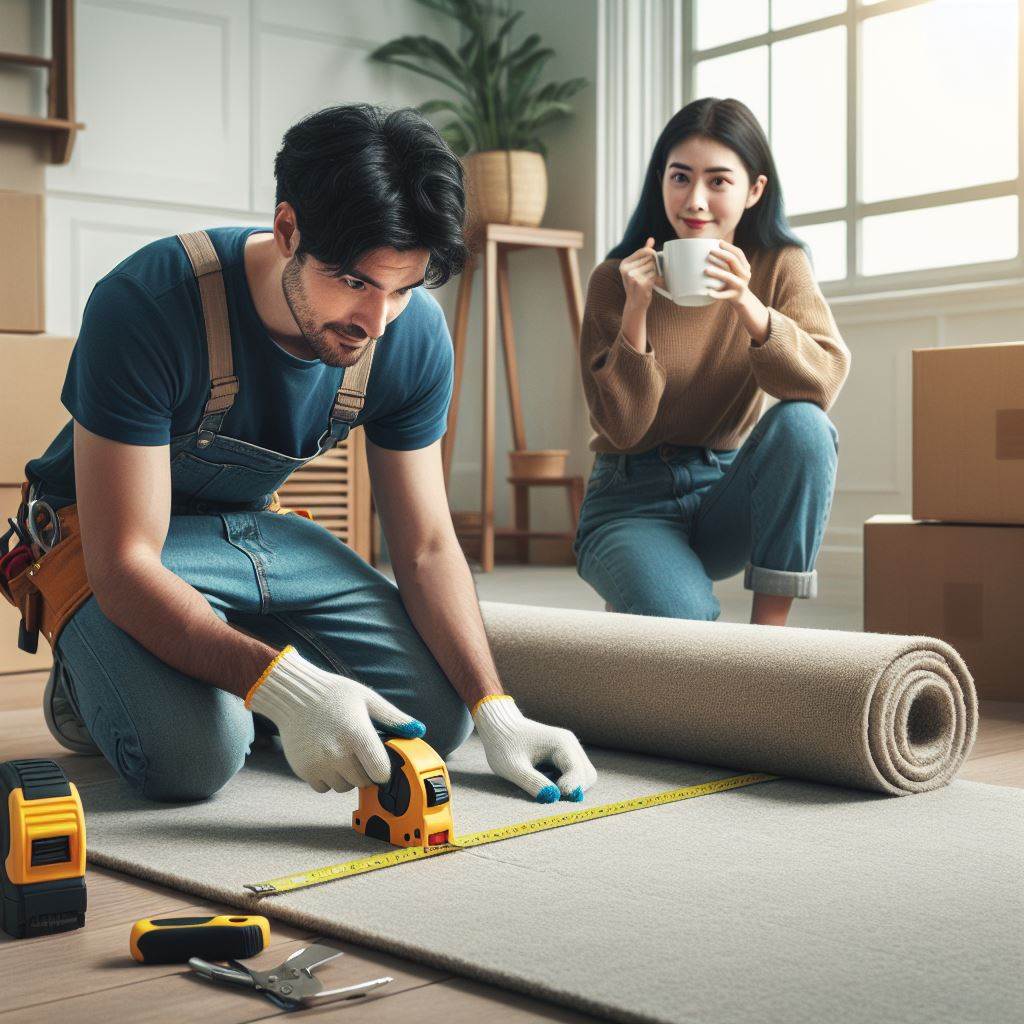
Master the Art of Carpet Installation: A Beginner’s Guide
Embarking on a DIY carpet installation project can feel like a journey into unknown territory. But with the right guide, turning your home into a cozy oasis is easier than you think.
Installing a carpet requires precision and patience. 🛠 For beginners, understanding the basics—like measuring the room, choosing the right carpet, and preparing the floor—is crucial. Essential tools include a knee kicker, seam roller, and utility knife. Remember, a smooth and secure fit is key to durability and comfort.
Carpet Installation Data Table
| Type of Carpet | Average Cost per Square Foot | Difficulty Level |
|---|---|---|
| Polyester | $1 – $2 | Moderate |
| Nylon | $2 – $4 | High |
| Wool | $4 – $8 | High |
| Olefin | $1 – $2 | Moderate |
Source: National Carpet Retailers Survey
This table showcases the average costs and difficulty levels associated with installing different types of carpets, providing a helpful reference for beginners planning their DIY carpet installation project.
The Journey Begins: Deciding to DIY
When I first considered the idea of installing my own carpet, it felt like deciding to climb Mount Everest in flip-flops. I stood in my living room, staring at the worn-out carpet beneath my feet, and thought, “How hard could it really be?” Famous last words, right?
Choosing the Right Carpet
Selecting the right carpet was like going on a blind date. I spent hours scrolling through online catalogs, visiting showrooms, and touching various samples – from the plush softness of wool to the durable touch of nylon. In the end, I settled on a mid-range nylon carpet, balancing cost with durability and ease of maintenance.
Tool Time: What You Really Need
Gathering tools was an adventure in itself. I felt like a kid in a candy store, albeit a very adult one. The essentials on my list included:
- A knee kicker (which, contrary to its name, is not a martial arts move)
- A carpet stretcher (also not a medieval torture device)
- A utility knife (finally, something that sounds like what it is)
- Seam tape and a hot melt seaming iron (because apparently, carpets have seams)
“The right tools are half the battle in carpet installation,” mused the friendly clerk at the hardware store. His wink suggested he’d seen too many overconfident DIYers.
Carpet Installation Essentials Table
| Tool | Purpose | Average Cost |
|---|---|---|
| Knee Kicker | To stretch carpet in small areas | $50 – $100 |
| Carpet Stretcher | To stretch carpet across the room | $100 – $200 |
| Utility Knife | To cut the carpet | $10 – $20 |
| Seam Tape | To join carpet seams | $5 – $15 |
| Seaming Iron | To heat seam tape for bonding | $30 – $60 |
Source: Local Hardware Store Catalog
The moment I brought all these tools home, I felt a mix of excitement and dread. Was I really about to transform my living room, or was I setting myself up for a hilarious disaster?
🔨 Takeaway: Diving into DIY carpet installation might seem daunting, but with the right tools and a sprinkle of courage, it’s the first step to transforming your space.
The Installation Process: A Step-by-Step Guide
The actual installation process was a bit like following a recipe that called for a pinch of this and a dash of that, except the ingredients were heavy rolls of carpet and sharp tools.
Preparing the Room
Clearing the room was an archaeological dig through layers of my life. I found lost remotes, a long-forgotten earring, and enough loose change to finance my next DIY project. Once the room was cleared, I pulled up the old carpet, revealing a subfloor that had seen better days.
Laying the Underpad
Laying the underpad felt like trying to wrap a giant gift without the wrapping paper tearing. It was all about precision cutting and making sure every inch of the floor was covered. The underpad was crucial for comfort and would make or break the feel of the carpet underfoot.
Rolling Out the Carpet
When it came time to roll out the carpet, I felt like I was unrolling the red carpet for a movie premiere, except the only stars were the patterned stitches of the nylon carpet. Measuring twice and cutting once became my mantra, as I navigated around corners and obstacles, ensuring a snug fit.
“A well-installed carpet can dramatically change the ambiance of a room,” my neighbor commented, peering over with a mix of curiosity and skepticism. His words echoed in my mind as I used the knee kicker and stretcher to secure the carpet, ensuring there were no wrinkles or loose ends.
Carpet Installation Process Table
| Step | Description | Tips |
|---|---|---|
| Room Preparation | Remove furniture, old carpet, and prepare the subfloor | Use a vacuum to clear dust after old carpet removal |
| Laying the Underpad | Cut and lay the underpad to fit the room | Use tape to secure seams between pieces |
| Rolling Out Carpet | Measure and cut carpet, then lay it in place | Keep the pile direction consistent across the room |
Source: DIY Carpet Installation Guide
Navigating the installation process was a blend of meticulous planning and improvisation. Each step required patience and attention to detail, from preparing the room to the final stretch of the carpet.
🛠 Takeaway: The installation process might test your patience and skill, but the satisfaction of seeing your room transformed by your own hand is unbeatable.
Troubleshooting Common Issues
No DIY project goes without its hitches, and carpet installation is no exception. It’s like going on a road trip; you’re bound to hit a few bumps along the way.
One of my first ‘bumps’ was realizing the carpet wasn’t aligning properly at the seams. It was like trying to fit together two puzzle pieces that looked right but just wouldn’t sit flush. After a bit of research and a call to a more experienced friend, I learned that seam matching is an art form in itself. By reheating the seam tape and adjusting the tension, I managed to make the seams virtually invisible.
Then there was the issue of bubbling, where parts of the carpet seemed to have a life of their own, rising up off the floor like little mountains. This was a classic case of inadequate stretching. Pulling out the carpet stretcher again, I worked my way around the room, ensuring the carpet was taut and securely attached to the tack strips.
“Every problem has a solution, especially with carpet installation. It’s all about patience and precision,” chuckled my friend over the phone, his advice a soothing balm to my fraying nerves.
Common Carpet Installation Issues Table
| Issue | Solution | Prevention Tip |
|---|---|---|
| Mismatched Seams | Reheat seam tape and adjust tension | Carefully align patterns before cutting |
| Bubbling | Use carpet stretcher to re-stretch and secure | Ensure proper stretching during installation |
| Cuts or Tears | Patch the area with carpet tape and a spare piece | Use a sharp blade and cut carefully |
Source: Personal Experience and DIY Forums
Addressing these issues as they arose taught me that flexibility and a willingness to learn from mistakes are key in DIY projects. Each challenge was an opportunity to improve my skills and understand the intricacies of carpet installation better.
🔧 Takeaway: Troubleshooting is an integral part of the DIY experience. Embrace the challenges as they come, armed with patience and the right knowledge to turn bumps in the road into smooth paths.
Case Study: Before and After
Embarking on this carpet installation journey was a mix of a reality TV show challenge and a personal quest for home improvement. The transformation of my room, from the dated, worn-out carpet to a fresh, modern foundation, was nothing short of dramatic.
Before the installation, the room had a tired look, with the old carpet bearing the marks of many years of use. It was like stepping back in time every time I entered the room, but not in a good way. The faded patterns and the flattened pile did nothing to enhance the space.
After completing the installation, the change was immediate and striking. The new carpet, with its vibrant color and soft, springy texture, breathed new life into the room. It felt like moving into a brand new home without changing my address. The satisfaction of seeing my work come together and transform the space was incredibly rewarding.
“The transformation is remarkable. It’s amazing what a difference a carpet can make,” remarked a friend who had seen the before and after. Their words mirrored my own thoughts, validating the effort and time invested in the project.
Room Transformation Table
| Aspect | Before | After |
|---|---|---|
| Carpet Condition | Worn-out, faded, and flat | Vibrant, soft, and springy |
| Room Ambiance | Dated and unwelcoming | Modern and inviting |
| Overall Feeling | A space stuck in the past | A rejuvenated, comfortable living space |
Source: Personal Documentation
This case study of my living room not only showcases the physical transformation but also highlights the emotional and aesthetic impact of the change. It’s a testament to the power of DIY projects in revitalizing a space and the personal satisfaction that comes from completing such a task.
🏡 Takeaway: The before and after of a DIY carpet installation can be astonishing, transforming not just the floor but the entire ambiance of a room. The effort pays off in the satisfaction of creating a comfortable, inviting space with your own hands.

Ultimate Checklist for DIY Carpet Installation
After navigating through the ups and downs of DIY carpet installation, I’ve compiled a checklist that I wish I had before starting. This isn’t just a list; it’s a treasure map guiding you through the process without missing the hidden gems (or stepping on any landmines).
- Preparation
- Clear the room of furniture and old flooring.
- Thoroughly clean the subfloor.
- Gather all necessary tools and materials.
- Tools and Materials
- Carpet (plus 10% extra for cuts and waste)
- Underpad (the unsung hero of carpet comfort)
- Knee kicker and carpet stretcher (for when you need to convince the carpet to fit)
- Utility knife (sharp enough to make clean cuts)
- Seam tape and seaming iron (because seams should be seen, not heard)
- Tack strips (the foundation of any good carpet installation)
- Stapler and staples (for securing underpad)
- Hammer (for everything else)
- Installation
- Install tack strips around the perimeter of the room.
- Lay the underpad, stapling it down at the edges.
- Measure, cut, and lay the carpet, starting from one end of the room.
- Use the knee kicker and stretcher to fit the carpet snugly against the walls.
- Trim excess carpet at the edges.
- Join seams with seam tape and the seaming iron.
- Post-Installation
- Vacuum the new carpet to fluff up the pile.
- Replace furniture, taking care not to damage the new carpet.
- Step back and admire your handiwork.
“Measure twice, cut once, and always keep a cool head,” is the best piece of advice I received during this project. Keeping calm and staying organized can turn a daunting task into a manageable and even enjoyable project.
DIY Carpet Installation Checklist Table
| Step | Details | Notes |
|---|---|---|
| Preparation | Clear room, clean subfloor | Essential for a smooth installation |
| Tools & Materials | Gather all necessary items | Don’t underestimate the underpad |
| Installation | Follow steps meticulously | Patience is your best tool |
| Post-Installation | Clean and replace furniture | The final step to enjoy your hard work |
Source: Personal Experience
Completing a DIY carpet installation is a marathon, not a sprint. With the right preparation and mindset, anyone can transform their space.
🧰 Takeaway: A comprehensive checklist is your roadmap to a successful DIY carpet installation. With careful planning and a bit of elbow grease, you’ll cross the finish line with a beautiful new carpet and the satisfaction of a job well done.
Frequently Asked Questions
Throughout my carpet installation journey, I encountered a myriad of questions, some of which I had myself and others that came from friends and family who watched my progress. Here are the most common ones, along with my insights.
Can I install carpet over an old carpet?
While it might seem like a time-saver, installing new carpet over old is generally not recommended. It can lead to uneven surfaces, faster wear and tear, and issues with mold and odors. It’s best to start fresh with a clean subfloor.
How do I choose the right underpad?
The underpad is just as important as the carpet itself. Look for one that balances comfort with durability. Thicker isn’t always better; sometimes, a denser underpad offers better support and longevity for your carpet.
What’s the biggest challenge in DIY carpet installation?
For me, it was ensuring the carpet was stretched tightly enough to avoid wrinkles and buckling over time. Using a knee kicker and stretcher properly requires some practice and patience.
How long does it take to install carpet in a room?
The time it takes can vary widely depending on the size of the room, your experience level, and the specific challenges you might encounter. Generally, expect to spend a full day on the project, give or take a few hours.
“Remember, the beauty of a DIY project lies not just in the finish but in the craftsmanship and learning along the way,” a wise friend reminded me as I fretted over the time it was taking.
How do I deal with seams?
Dealing with seams can be tricky but not impossible. Ensure your cuts are precise, use quality seam tape, and a seaming iron to bond the pieces. Proper alignment and pressure during the seaming process are crucial for invisible seams.
DIY Carpet Installation FAQs Table
| Question | Answer |
|---|---|
| Can I install carpet over an old carpet? | Not recommended due to potential issues. |
| How do I choose the right underpad? | Balance comfort with durability. |
| What’s the biggest challenge? | Stretching the carpet properly. |
| How long does installation take? | Typically, a full day for one room. |
| How do I deal with seams? | Precision, quality seam tape, and proper technique. |
Source: Personal Experience
Answering these questions helped me realize that while the process can be complex, armed with the right knowledge and tools, it’s entirely achievable.
📚 Takeaway: Don’t let the unknowns of DIY carpet installation intimidate you. With research, preparation, and a willingness to learn from the process, you’ll find that most questions have straightforward answers that lead to success.
Highlight Summary: Key Takeaways from My DIY Adventure
Reflecting on my DIY carpet installation journey, it’s clear that the road from worn-out flooring to plush new carpet was both challenging and incredibly rewarding. Here are the key takeaways from my adventure:
- Preparation is Key: Before you dive into cutting and fitting, make sure you’ve done your homework. Clearing the room, selecting the right materials, and having all your tools at hand can save you time and frustration.
- The Right Tools Make All the Difference: From the knee kicker to the seaming iron, investing in or renting the right tools can make the job much smoother and the finish much more professional.
- Patience Pays Off: There were moments when I wanted to rush through to see the final result, but carpet installation requires a steady hand and a calm mind. Rushing can lead to mistakes that are hard to hide.
- Troubleshooting is Part of the Process: Whether it’s mismatched seams or unexpected bubbling, be prepared to face a few hurdles. Each challenge is an opportunity to learn and improve.
- The Satisfaction of a Job Well Done: Sitting back and looking at the finished room, knowing every inch of the carpet was laid by my own hands, was incredibly satisfying. The sense of accomplishment was worth every moment of doubt and effort.
“The joy of DIY is not just in the creation but in the creator’s growth. Every project teaches you something new about the task and about yourself,” a sentiment I’ve come to fully appreciate through this project.
Final Thoughts
Embarking on a DIY carpet installation might seem daunting, but it’s a journey worth taking. Not only do you end up with a beautiful new floor, but you also gain valuable skills and the confidence to tackle more projects in the future. If I could do it, so can you. Remember, every master was once a beginner.
🔨 Takeaway: The journey of DIY carpet installation is filled with learning, challenges, and ultimately, the deep satisfaction of transforming your space with your own two hands. Embrace the process, and let your home be a canvas for your newfound skills.

Leave a Reply