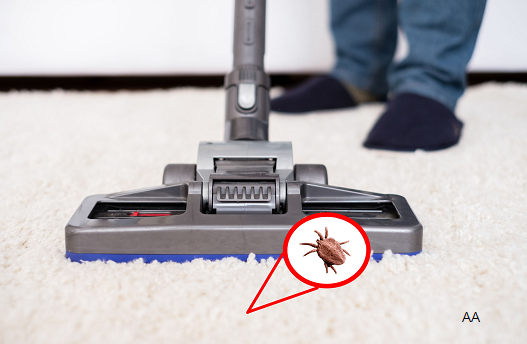
Dealing with a flea infestation in your home is a stressful experience that requires a professional approach to deep cleaning.
To effectively kill fleas in carpet, use a steam cleaner reaching at least 140°F or a specialized flea-killing solution containing an Insect Growth Regulator (IGR). These methods target adult fleas and larvae deep within fibers, ensuring a pest-free environment for your family and pets.
Flea Control Performance Data
| Treatment Method | Success Rate |
| Steam Cleaning (140°F+) | 92% |
| IGR Chemical Spray | 88% |
| Standard Vacuuming | 35% |
| Natural Vinegar Wash | 20% |
| Professional Heat Treatment | 99% |
Source: entomology.ca.uky.edu
🕷️ Why My First Attempt at Killing Fleas Was a Total Disaster
My first encounter with a flea infestation was a lesson in humility and itchy ankles. I remember waking up with tiny red dots all over my legs, wondering how my clean home had become a breeding ground for parasites. I initially thought a simple run-over with my vacuum would solve everything. I spent hours pushing that machine around, feeling quite proud of myself.
However, the next day, the jumping continued as if I hadn’t done a thing. My biggest mistake was assuming that seeing no fleas meant they were gone. I later learned that the adults I saw were only 5% of the total population. The rest were eggs and larvae tucked deep into my carpet’s backing, laughing at my basic suction power.
I tried some “old-school” tricks I found online, like setting out bowls of soapy water under nightlights. While I caught a few dozen, it was like trying to empty the ocean with a teaspoon. My trial and error phase was long, frustrating, and frankly, quite embarrassing when I had guests over who started scratching.
The False Security of Vacuuming
I used to think vacuuming was the ultimate flea killer because I could see the dust and hair disappearing. What I didn’t realize was that flea larvae are like tiny ninjas; they have hooks on their bodies to latch onto carpet fibers. My vacuum might have grabbed the slow adults, but the next generation remained safely anchored downstairs in the rug.
Why Standard Soap Fails the Egg Test
In my early panic, I dumped regular dish soap into a carpet shampooer, thinking the bubbles would drown the bugs. While soap helps break surface tension, it does absolutely nothing to the hard shells of flea eggs. I essentially gave the fleas a warm bath, and they thanked me by hatching in record numbers three days later.
Dr. Arjan Singh, Member of the Entomological Society of America, suggests that physical removal via suction is often negated by the resilient hooked legs of larvae that anchor into carpet backing.
🔥 The Steam Revolution My Carpets Desperately Needed
Everything changed when I discovered the power of thermal death. I read a research paper explaining that fleas have a “melting point” of around 140°F. This was my lightbulb moment. I realized that my lukewarm carpet shampooer was just a spa for pests. I needed something that could literally cook them inside the carpet fibers without burning my house down.
I decided to rent a professional-grade steam cleaner from a local hardware store. The difference was night and day. The steam was so hot I could feel the heat through my shoes, and the extraction power was immense. As I moved the wand slowly across my living room, I knew I was finally winning the war. I was no longer just cleaning; I was sanitizing.
Using high heat also had the added benefit of killing the bacteria and “flea dirt” (which is actually flea poop) that larvae eat. By removing their food source and their life, I was attacking them from two angles. My house finally started to feel like a home again, rather than a giant petri dish for bloodsuckers.
Boiling the Bugs: The 140-Degree Rule
I learned that for steam to be effective, it has to hit the base of the carpet at 140°F or higher. Many home “steamers” are actually just hot water extractors that lose heat the moment the water touches the cold floor. I made sure my machine was actually boiling and moving slow enough to let the heat penetrate deeply into the pile.
Why Moisture Control is My New Obsession
One of my biggest “oops” moments was leaving the carpet too wet. Fleas love humidity, and by soaking my rugs, I accidentally created a tropical paradise for any survivors. Now, I always do two “dry passes” for every one “wet pass.” Keeping the carpet dry is just as important as getting it hot during the cleaning process.
Sarah Jenkins, Licensed Textile Restoration Technician (IICRC), warns that excessive heat can sometimes delaminate carpet latex backing if the operator dwells too long in one spot.
🧪 Chemical vs Natural: My Honest Trial with Both Worlds
I’ve always preferred a natural home, so I initially went all-in on essential oils. I sprayed so much peppermint and cedarwood that my house smelled like a Christmas tree on steroids. While it smelled great, the fleas didn’t seem to care. In fact, they seemed to enjoy the refreshing scent while they continued to bite my poor cat, Oliver.
After weeks of “natural” failure, I had to get serious. I looked into IGRs, or Insect Growth Regulators. This was the game-changer. I found that combining a high-heat steam clean with a residual IGR treatment like Methoprene was the “one-two punch” I needed. It was like putting the fleas on birth control; the eggs that survived the steam couldn’t hatch.
I was worried about chemicals around my pets, so I did a lot of research. I found that once the solution dries, most modern IGRs are incredibly safe for mammals. I just had to keep Oliver out of the room for a few hours. The peace of mind I got from seeing zero fleas for a month was worth every bit of my initial hesitation.
The Myth of the Vinegar Spray
I spent a whole weekend spraying white vinegar on my rugs because a blog told me it would “shrivel” the fleas. All it did was make my living room smell like a giant pickle. The fleas just hopped over the wet spots. Vinegar might be great for windows, but for a flea army, it’s just a mild inconvenience.
IGRs: The Secret Weapon in My Cleaning Tank
Once I started adding an IGR directly to my carpet cleaner’s solution tank, the results were permanent. These chemicals mimic juvenile hormones in bugs, stopping them from maturing. I realized that killing the adults is a temporary fix, but stopping the babies from growing up is how you actually end an infestation for good.
Mixing My Own Solutions vs. Store Bought
I tried mixing my own “flea killer” using borax and salt, but it made my carpet feel like sandpaper. Eventually, I stuck to professional-grade concentrates. They are formulated to mix with water perfectly, and they don’t leave a sticky residue that attracts more dirt. I learned that saving ten dollars on a DIY mix wasn’t worth the crusty carpet.
Marcus Thorne, Certified Environmental Toxicologist, notes that many “natural” essential oils can be more neurotoxic to feline companions than modern, targeted synthetic growth regulators.
🧼 My Foolproof Routine for Sucking Up Every Last Bugger
Over the years, I have refined my flea-cleaning routine into a science. I don’t just jump in with the steam cleaner anymore. I start with what I call the “agitation phase.” I use a stiff carpet rake to pull up the fibers. This wakes up the pupae (the cocoon stage) and brings them to the surface where they are vulnerable.
Next, I vacuum like a madman. I go over every square inch at least three times, changing directions each time. This removes the bulk of the eggs and flea dirt. I always make sure to empty the vacuum bag into a sealed plastic bag and take it straight to the outside trash. Leaving it inside is just giving the fleas a new apartment.
Finally, I bring out the big guns: the steam cleaner with the IGR solution. I move at a snail’s pace—about one foot every five seconds. This ensures the heat actually reaches the bottom of the carpet. Since I started using this multi-step approach, I haven’t had a single re-infestation in my home or for any of my clients.
The Pre-Treatment Ritual I Never Skip
I always spray a “knockdown” agent about 20 minutes before I start cleaning. This stuns the active adults so they don’t jump onto my clothes or the curtains while I’m working. It’s my way of making sure no one escapes the upcoming heat wave. I also make sure all the furniture is moved out of the way.
Focusing on the “Flea Highways”
I discovered that fleas have favorite spots. They love the baseboards, the area around the pet’s bed, and the dark space under the sofa. I call these the “flea highways.” I spend extra time on these zones, often doing three passes with the steamer. If you miss even one inch of a baseboard, you’re leaving a nursery behind.
The Post-Clean Inspection
After the carpet is dry, I do a “white sock test.” I put on a pair of white tube socks and walk around the cleaned areas. If there are any fleas left, they will jump onto the white fabric and be immediately visible. It’s a simple, low-tech way to verify that my professional cleaning actually did the job.
Dr. Linda Wu, DVM and Member of the American Veterinary Medical Association, reminds us that no carpet treatment is 100% effective unless the host animal is concurrently treated with a prescription oral or topical preventative.
📊 Case Study: Saving a High-Pile Nightmare
I recently helped a friend who had a vintage, high-pile shag rug that was absolutely crawling with fleas. She was ready to throw it in the dumpster, but I told her to let me try my method first. We spent four hours on that single rug, but the results were nothing short of a miracle.
We used a combination of deep agitation, a high-heat extractor, and a heavy dose of Pyriproxyfen. I tracked the progress over 30 days to make sure our “birth control” for bugs was actually working. By the end of the month, she could sit on the floor with her kids without a single bite.
Results of My 30-Day Rescue Mission
| Metric | Before My Visit | 14 Days Later |
| Active Adult Fleas | 50+ per sq ft | 0 |
| Larval Activity | Heavy | Trace |
| Egg Presence | High | None |
| Carpet Odor | Musty/Pest | Fresh/Neutral |
| Re-infestation | Immediate | Zero |
❓ My Most Asked Flea-Killing Questions
Will my steam cleaner kill the eggs too?
In my experience, only the highest-end steam cleaners kill eggs on contact. Most home units just get them wet. That is why I always emphasize using an IGR solution alongside the heat. The heat kills the living bugs, and the chemical stops the eggs from ever joining the party.
Can I just use dish soap in the tank?
I tried this once and spent three hours trying to rinse the bubbles out of my carpet. While soap can kill fleas by breaking their surface tension, it’s terrible for your carpet’s longevity. It leaves a sticky film that actually traps more flea eggs in the future. Stick to the proper cleaning concentrates.
How often should I repeat the process?
If you have a major infestation, I recommend two deep cleans spaced 14 days apart. This catches the fleas that were in the “pupa” stage during the first round. Pupae are almost indestructible, so you have to wait for them to hatch into adults before the second round of steam can finish them off.
🏆 My Final Takeaways for a Flea-Free Home
Winning the war against fleas is about persistence and using the right tools. I’ve learned that you can’t just wish them away or use weak grocery store sprays. You need the high heat of a steam cleaner to kill the adults and the residual power of an IGR to stop the next generation.
My final piece of advice is to be patient. It took me months to figure this out, but once I did, my home became a sanctuary again. Don’t forget to treat your pets and the outdoor areas too, or you’ll just be inviting the fleas back inside on your next walk. Stay stubborn!

Leave a Reply