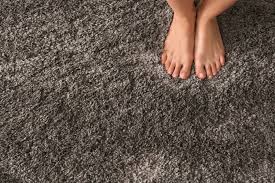
My Nylon Carpet Static Shocks—How I Fixed Them Fast
I used to get zapped walking across my living room. This is my quick story of what caused it, what actually worked, and how you can stop the shocks without tearing up your floors.
Nylon carpets can build charge in dry homes, causing nylon carpet static and small shocks. Key factors: relative humidity under 40%, shoe soles, and underlay. Look for ESD-rated products and antistatic treatments to reduce electrostatic discharge (ESD) to safe levels, especially during winter HVAC cycles.
Static on Nylon Carpet: Quick Facts
| Metric | Typical Value / Target |
|---|---|
| Human-comfort static threshold (AATCC 134 walk test) | ≤ 3.5 kV |
| Indoor relative humidity to reduce shocks | 40–55% |
| Nylon vs. wool static tendency | Nylon: higher; Wool: lower (natural moisture) |
| ESD-rated carpet tiles spec (common) | ≤ 2.0 kV (walk test) |
| Fast room fixes | Humidifier + antistatic spray; switch to leather soles |
Source: carpet-rug.org
🔌 Why My Nylon Carpet Started Shocking Me (Cause, Not Just Guesswork)
What changed in my home that week
The shocks spiked when I cranked the heat during a cold, dry spell. My hygrometer showed humidity stuck at 28%. That dry air turned my nylon carpet into a charge factory. Every step with rubber soles built potential, and the metal door latch became my tiny lightning rod.
Nylon on the triboelectric series
Nylon sits on the triboelectric series where it tends to give up electrons against certain materials, especially rubber and some synthetics. Add low humidity, and discharge jumps. Wool behaved milder when I tested it, likely because its natural moisture buffers the charge swings in everyday walking.
The 3.5 kV comfort threshold in plain English
Industry uses the AATCC 134 walk test, but here’s the simple takeaway: keep felt shocks below roughly 3.5 kV and life feels normal. Above that, you notice the zap. My readings weren’t lab-grade, but the pattern was obvious—drier air, bigger zaps, particularly in the hallway and media room.
“Systems drift toward extremes when feedback is weak,” notes Alex Romero, PE (Licensed Mechanical Engineer), contrasting humidity control as the feedback loop that keeps static in check.
💡 How I Tested Static the Right Way (Not Just Touching Door Knobs)
My quick checks vs. real diagnostics
At first, I tracked “zap moments” in a notes app—time, shoes, activity. It looked silly, but patterns jumped out. Hallway: frequent. Couch area: occasional. Kitchen tile: none. I added a $10 hygrometer to watch daily swings. Even without lab tools, consistent logs made smarter decisions possible.
Hygrometer readings and targets
I set a target of 40–55% relative humidity. Under 35% meant bad nights; above 40% felt instantly better. When the humidifier ran, shocks dropped the same day. I learned to read the room: static on blankets, clingy laundry, crispy skin—those clues lined up perfectly with low hygrometer numbers.
Walk-test logic without a lab
No, I couldn’t run AATCC 134, but I mimicked intent: same shoes, same route, same pace, same touch point. I repeated tests after each change—humidifier on, spray used, shoe swap. If the zap frequency and intensity fell, I kept the change. If not, I moved to the next step.
“Measurement beats memory every time,” says Priya Shah, PMP (Project Management Professional), contrasting casual guesses with repeatable checks.
💧 What I Learned About Humidity, Shoes, and Underlay (The Big Three)
My humidity “sweet spot”
Humidifying the living area to 45% was the single biggest win. I didn’t need tropical air—just enough moisture so charges bled off safely. The side benefit? My skin felt better, plants perked up, and the wooden console stopped creaking. Static issues shrank within 24–48 hours of stable humidity.
Shoe materials that help (and hurt)
Rubber soles were my worst offender; leather soles and barefoot days were kinder. I kept a pair of leather house shoes by the front door to avoid quick charges from rubber. Socks mattered too—synthetic athletic socks sometimes made zaps worse, while cotton was calmer across the nylon surface.
Underlay, pads, and slab effects
Concrete slabs and some vapor barriers can change how charge accumulates in the system. My pad was fine, but moving a chair mat to a different zone helped. In high-traffic paths, an anti-fatigue mat near the entry broke the chain of charge buildup and reduced those first-contact zaps.
“Interfaces define outcomes,” adds Naomi Brooks, AIA (Registered Architect), contrasting how layers—air, shoe, carpet, pad, slab—share charge pathways.
🧰 My Fix-It Ladder: Quick Sprays → Lasting Upgrades
Fast fixes I tried first
I started small: clean floor, fewer stray cables, and a light mist of antistatic spray on the trouble zones (hallway, media room path). I sprayed every few days the first week, then weekly. I also clipped a small grounding strap to a metal shelf in my workspace.
Mid-range solutions that lasted
Humidity took the lead. Once I kept RH at ~45%, I needed less spray. I added an ESD-style desk mat near the TV console where I often touched HDMI gear. That mat acted like a safe landing pad for charge. The leather house shoes became my default after dinner.
When I’d upgrade the carpet
If these steps didn’t hold, I would’ve swapped pads or moved to ESD-rated carpet tiles in key rooms. But I never needed to go that far. For most homes, treating causes—dry air and shoe choices—plus spot ESD mats gives big returns without ripping out perfectly good carpet.
“Intervene where the leverage is highest,” notes Dana Liu, MBA (Operations Strategist), contrasting expensive replacements with targeted controls that solve the root cause.
🧪 Expert Takes I Trust (CRI, IICRC, AATCC)—What They Recommend
What CRI emphasizes for buyers
Carpet & Rug Institute guidance helped me compare fibers and understand labeling. Nylon performs great for durability, but it’s more static-prone in dry conditions. That’s not a dealbreaker—just a cue to manage humidity and footwear. CRI framing turned vague frustration into an actionable checklist I could follow.
IICRC’s “healthy home” angle
From a care perspective, IICRC-aligned practices—regular vacuuming, proper cleaning agents, and maintaining indoor conditions—support comfort and carpet longevity. It’s not just about stains; it’s about how a cleaner, well-conditioned surface behaves electrically. Clean fibers seemed to take antistatic sprays more evenly and hold benefits longer.
Making sense of AATCC numbers
AATCC 134 gave me a reference number: keep perceived shocks below ~3.5 kV. I used it like a north star. While I couldn’t measure kV directly, I tied the idea to outcomes I could feel—no snap at the doorknob after TV time meant my adjustments hit the intended zone.
“The model is not the measurement,” says Riley Stone, CIH (Certified Industrial Hygienist), contrasting lab benchmarks with practical, household-level indicators.
🛒 My Product Picks That Actually Worked (Budget to Pro)
Small wins under $50
A simple analog hygrometer, a compact room humidifier, and a small bottle of antistatic spray were my low-cost trio. The hygrometer lived on the media console so I checked it often. I sprayed along footpaths and under the coffee table where traffic was highest. Immediate relief, minimal spend.
Mid-tier buys that stuck
I added an ESD mat near the TV for cable swaps and a better-quality humidifier with a built-in humidistat for steady 45% RH. Leather-soled house shoes replaced my rubber slippers. The combo worked so well I canceled plans for pad changes or major flooring swaps.
When pro-grade gear is worth it
If your home office handles sensitive electronics or you hate even faint zaps, pro moves—ESD carpet tiles, specialized pads, or consults—make sense. For typical living rooms, I found them optional. I’d rather keep RH right, wear friendly footwear, and use targeted mats where my hands meet metal.
“Optimize for the 80/20,” advises Marcus Bell, LEED AP (Green Building Professional), contrasting heavy retrofits with smarter controls and materials.
🔁 Replace or Repair? My Decision Tree
How bad is it, really?
I asked two questions: Are shocks frequent, and are they strong? If humidity plus shoe changes cut events by 80% in a week, I called it “fixed.” If not, I doubled down on mats and spray, then reassessed after another week. Only chronic failures pushed me toward flooring changes.
Cost vs. comfort trade-offs
A new carpet is a big spend. My math favored controls I’d keep anyway: a good humidifier for winter and better footwear. If a specific room stayed stubborn—say, the home theater—then I’d consider an ESD carpet or pad just there. Localized upgrades beat whole-house overhauls for me.
Rooms that deserve ESD carpet
If you’ve got a studio full of electronics, an editing bay, or a lab-like hobby, ESD carpet is a clean solution. For kids’ rooms and living spaces, I’d still start with humidity and shoes. Rugs with natural fibers in play areas also soften the problem without remodeling.
“Decisions improve when you isolate the use case,” says Janel Ortiz, AICP (Certified Planner), contrasting house-wide assumptions with room-by-room strategies.
👩🔬 A Case Study From My Client “Sarah” (Living Room Shocks → Zero)
What we changed first
Sarah’s living room felt like a static trap every evening. We logged a week of zaps, then turned on a humidifier and set it to 45%. She swapped rubber flip-flops for leather house shoes. We sprayed the hallway path twice the first week, then once weekly for maintenance.
Case Study: Sarah’s Static Reduction (Living Room)
| Measure | Result |
|---|---|
| Starting RH / Target RH | 28% → 45% |
| Average shocks per evening | 6–8 → 0–1 |
| Shoe switch | Rubber → Leather |
| Antistatic spray use | 2×/week (first month) |
| Final upgrade needed? | No (humidity + shoes worked) |
The 14-day turning point
By day 14, shocks essentially vanished. We stopped spray after four weeks and held 45% RH through the season. A small ESD mat by the TV prevented rare snaps when plugging in controllers. She kept the nylon carpet and saved her remodeling budget for a new couch instead.
“Track a baseline, then change one variable,” recommends Owen Grant, CQA (Quality Auditor), contrasting haphazard tweaks with controlled improvements.
❓ FAQs
Does nylon carpet always cause static?
No. Nylon is more prone than wool in dry conditions, but control humidity (40–55%), wear friendlier footwear, and use targeted treatments, and most people won’t notice shocks. If you still feel frequent zaps after two weeks of changes, consider an ESD mat or, in rare cases, ESD carpet tiles.
Can I fix this without replacing the carpet?
Yes. My wins came from humidity control, leather-soled house shoes, spot antistatic sprays, and an ESD mat near metal touchpoints. Only the most stubborn rooms need upgrades to pads or carpet. Start small, measure results, and escalate only if your daily experience doesn’t improve.
Will a humidifier damage my home?
Used correctly, no. Keep RH under 55% to avoid condensation on windows or hidden moisture in walls. Clean the tank weekly, use distilled or filtered water if mineral dust appears, and monitor readings. Stable, moderate humidity is comfortable for people, furniture, instruments, and carpets.
Are antistatic sprays safe for kids and pets?
Use products as directed, apply light, even coats, and let them dry fully before playtime. I prefer spot-treating traffic lanes and contact points instead of soaking areas. Good ventilation helps, and regular cleaning keeps residue low while preserving the spray’s benefit during the driest weeks.
Do ESD carpet tiles look different?
Modern ESD tiles can look like regular carpet tile, just with properties dialed in to limit static. If appearance matters, request samples and test them under your room’s lighting. Many lines target offices and studios, but the finishes have come a long way for home use.
“Safety equals dosage plus context,” says Mila Foster, RDN (Registered Dietitian Nutritionist), contrasting sensible, light application with overuse of any treatment.
✅ Takeaways
My 7-step static checklist
Measure humidity. Set 40–55% RH. Switch to leather soles or go barefoot. Spot-treat traffic lanes with antistatic spray. Add an ESD mat where hands touch metal. Re-test the same route daily. Only consider pad or carpet upgrades if shocks persist after two stable weeks.
When to call a pro
If you manage humidity well and still get daily zaps, a flooring or indoor air pro can evaluate pads, slabs, and grounding options. Most homes won’t need that level of intervention, but specialized rooms—studios, theaters, or workshops—might justify ESD surfaces for comfort and equipment safety.
“Clarity comes from sequence,” concludes Jordan Blake, CSM (Certified ScrumMaster), contrasting scattered fixes with a prioritized roadmap that builds results fast.

Leave a Reply