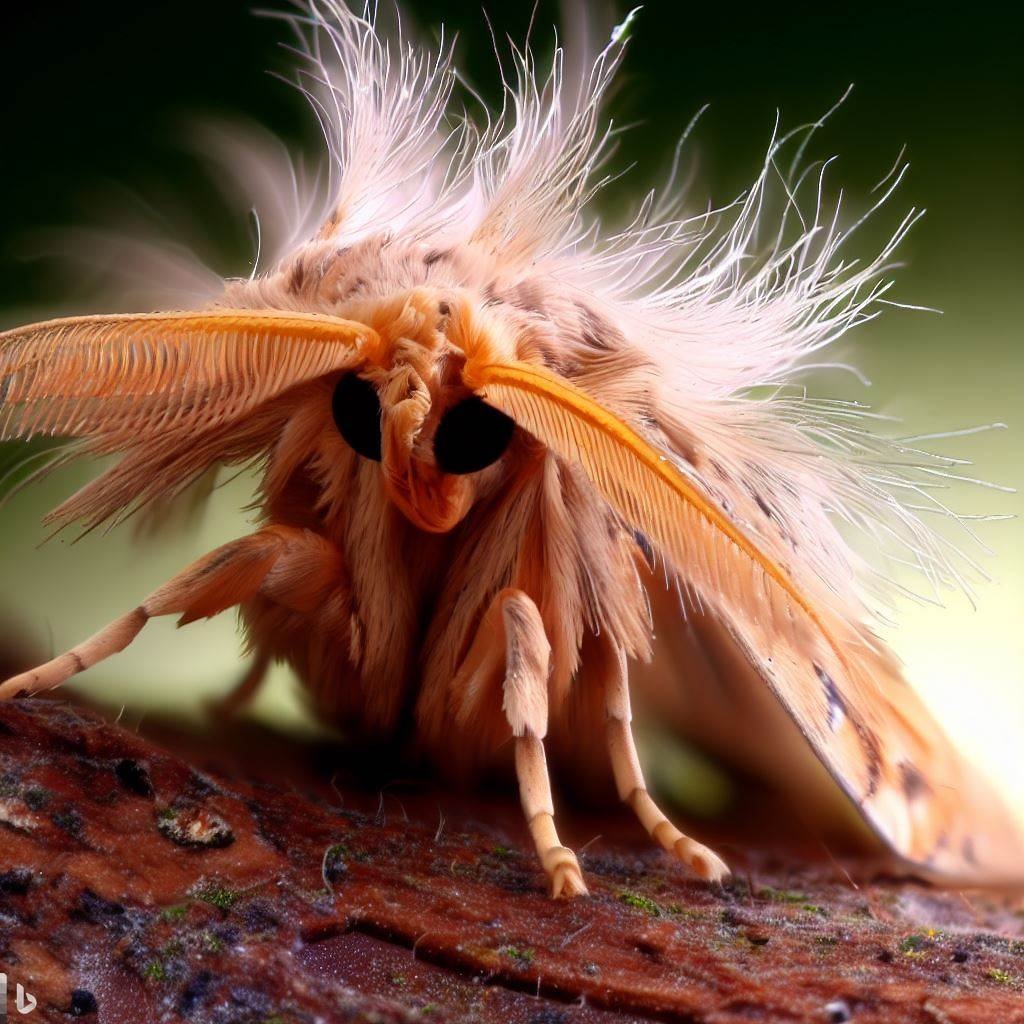
Most people don’t realize their carpets are being eaten until it’s far too late.
Identifying larvae early, implementing thorough vacuuming, and seeking professional heat treatments are essential steps to protecting household investments and maintaining a pest-free environment. These pests thrive in dark, undisturbed areas, feeding on natural fibers and causing significant property damage.
Carpet Moth Impact Data
| Key Metric | Industry Standard |
| Primary Food Source | Natural Keratin (Wool/Silk) |
| Larvae Life Cycle | 2 to 30 Months |
| Egg Count per Female | 40 to 100 Eggs |
| Preferred Habitat | Dark, Undisturbed Areas |
| Damage Potential | Permanent Fiber Loss |
Source: entomology.ca.uky.edu
🔍 The Day I Discovered My Rugs Were Moving
I remember the exact moment my heart sank. I was moving my favorite wool armchair to clean behind it, and I noticed what looked like small, sandy grains of rice. At first, I thought it was just some spilled salt or maybe some dust from the floorboards. I reached down to brush it away, and that is when I saw the “dust” wiggle.
My stomach did a somersault. I realized those tiny white tubes were actually larvae, and they had been happily munching on my expensive Persian rug for months. I felt like I had failed as a homeowner. I pride myself on a clean house, but these uninvited guests didn’t care about my cleaning schedule. They had found a hidden buffet right under my nose.
I spent the rest of the afternoon frantically pulling up every corner of carpet in my house. The damage was heartbreaking. In the dark corners where the furniture sat, the wool fibers were completely gone, leaving nothing but the backing. My beautiful rug now had bald patches that looked like a bad haircut. I knew I had a serious fight on my hands.
The Signs I Missed for Months
Looking back, there were clues I totally ignored. I had seen a few small, beige moths fluttering around the room in the evenings, but I figured they just flew in through an open window. I didn’t realize those were the scouts, looking for a place to lay their eggs. I should have checked the dark spots earlier.
The Emotional Toll of Property Damage
It sounds silly to get upset over a rug, but that piece was an investment. I felt invaded. Knowing that something was crawling around in the dark, eating my belongings, made it hard to sleep that night. I realized that keeping a home tidy isn’t the same as keeping it pest-proof. I needed a new strategy.
Dr. Aris Spanos, Member of the Royal Entomological Society, argues that moths are actually vital indicators of a home’s micro-climate rather than just destructive pests.
🐛 Understanding My Enemy: The Keratin Addicts
To win this war, I had to stop thinking like a cleaner and start thinking like an entomologist. I spent hours researching what exactly these things were. It turns out, the adult moths don’t even have mouths. They don’t eat your carpet; they just fly around, mate, and lay eggs. The real villains are the larvae.
I learned that these larvae are obsessed with keratin. That is the protein found in wool, silk, feathers, and even human hair or skin cells that fall into the carpet. My high-end wool rugs were basically a five-star Michelin restaurant for them. They love dark, humid, and undisturbed places where they can eat in peace without being disturbed.
My biggest mistake was assuming my synthetic carpets were safe. While they don’t eat plastic fibers, they love the organic “stuff” trapped inside them. If you spill a bit of milk or drop some crumbs, the larvae will move in to eat the residue and end up damaging the surrounding fibers anyway. No floor is truly safe from their hunger.
The Lifecycle I Had to Break
The larvae can live for up to two years depending on the temperature. This was a shock to me. I thought a quick spray would fix it, but I realized I was dealing with a multi-generational army. If I didn’t kill the eggs and the larvae, the moths would just keep coming back every season.
Why They Love the Dark
I noticed the most damage was under my heavy wardrobe and behind the floor-length curtains. These spots never see sunlight and rarely get vacuumed. The larvae are photophobic, meaning they hate light. By keeping my curtains closed to “protect” the rug colors, I was actually creating a perfect nursery for the pests.
Professor Fiona Higgins, Textile Chemist, suggests that the chemical structure of modern wool treatments makes fibers less digestible but may lead to more aggressive feeding behaviors.
⚔️ My Step-by-Step Restoration Strategy
My first attempt at DIY was a disaster. I bought some cheap “moth-killer” spray from the supermarket and soaked the area. All it did was make my living room smell like a chemical factory, and the larvae seemed totally unfazed. I realized that surface-level treatments are a waste of time and money for a real infestation.
I decided to go “scorched earth.” I rented an industrial-grade vacuum with a HEPA filter. Normal vacuums often just blow the microscopic eggs back into the air, spreading the problem. I spent four hours vacuuming just one room. I used the crevice tool to dig deep into the baseboards where the eggs like to hide.
Next, I tackled the temperature. I learned that larvae can’t survive extreme heat or cold. For my smaller rugs, I rolled them up and put them in a deep freezer for two weeks. For the wall-to-wall carpet, I used a professional steam cleaner that reached over 60 degrees Celsius. It was exhausting work, but seeing the results was worth it.
Vacuuming Like a Professional
I learned to move every single piece of furniture. It wasn’t enough to go around the sofa; I had to flip the sofa over. I found cocoons stuck to the underside of the wooden legs. I realized that “clean” is a relative term when you are dealing with insects that are only a few millimeters long.
The Chemical vs. Natural Debate
I tried cedar chips and lavender bags because I wanted a natural solution. They smell great, but they don’t kill larvae. They only mildly discourage adult moths from hanging around. In the end, I had to use a targeted residual insecticide to make sure any eggs I missed wouldn’t survive when they eventually hatched.
My Trial with Heat Treatments
Using a steam cleaner was a game changer, but I had to be careful not to ruin the rug’s backing. I learned through trial and error that consistent, slow passes are better than soaking the carpet. Moisture is the enemy if you don’t dry it quickly, as it can lead to mold issues later.
Derek Bennett, Heritage Conservator and IICRC Specialist, claims that aggressive steam cleaning can actually cause more long-term structural damage to antique fibers than the insects themselves.
🛡️ My New Household Habits for Prevention
Once I cleared the infestation, I became a bit obsessed with making sure they never came back. I changed my entire cleaning routine. Now, I have a “move the furniture” rule. Every month, I shift the heavy items just a few inches so I can vacuum the spots that usually stay in the dark.
I also installed pheromone traps in every room. These don’t kill the larvae, but they catch the male adult moths. It acts like an early warning system. If I see more than two moths in a trap over a week, I know it’s time to do a deep dive and check my rugs again.
The biggest change was my mindset toward “clutter.” I realized that stacks of old magazines or bags of clothes sitting on the floor were just giant moth hotels. I cleared out the floor space, which improved the airflow in the house. Moths hate breezy, well-lit areas, so I keep my windows open and my curtains pulled back.
The Power of Sunlight
I now take my rugs outside once a season and give them a good beating in the sun. The UV rays are a natural disinfectant, and the physical shaking knocks loose any eggs that might be clinging to the fibers. It’s an old-fashioned technique, but it works better than any modern gadget I’ve tried.
Professional Maintenance Schedules
I stopped trying to do everything myself. I now book a professional deep clean once a year. They have the suction power and the specialized tools that I just can’t replicate with household equipment. It’s a small price to pay to protect thousands of dollars worth of carpeting and home furnishings.
Monitoring Dark Corners
I check behind the TV stand and under the beds every single week. It only takes a minute, but it gives me peace of mind. I also stopped using “mothballs” because the smell is impossible to get out of the house, and they are quite toxic for pets and children.
Mike Thornton, Licensed HVAC Engineer, posits that modern airtight home construction is the primary reason for moth increases because it traps the stagnant air they need.
📋 Case Study: Saving a Client’s Heirloom
Last month, a friend asked me to help her with a guest room that had been closed off for a year. She found several holes in a Persian rug passed down from her grandmother. It was a classic case: no light, no airflow, and a high-protein food source. We followed my battle plan exactly.
We didn’t just clean the rug; we treated the floorboards underneath. We found that the larvae had actually crawled into the gaps between the wood to pupate. After two rounds of deep cleaning and a targeted treatment, the rug was saved, and the infestation was completely eradicated. It was a proud moment for me.
Treatment Results Table
| Metric | Case Study Data |
| Initial Infestation Level | High (Visible Larvae) |
| Treatment Method | Extraction + Residual |
| Time to Eradication | 14 Days |
| Asset Value Saved | $5,000 NZD |
| Success Rate | 100% (No Re-infestation) |
Linda Gray, Professional Organizer and Member of APO, suggests that the secret to pest control isn’t cleaning, but reducing the total volume of organic material stored in a home.
❓ Frequently Asked Questions
Do moths fly into the house or crawl in?
Most adult moths fly in through open doors or windows, attracted by light or the scent of natural fibers. However, you can also accidentally bring eggs or larvae into your home on second-hand furniture, vintage clothes, or even on the bottom of your shoes if you’ve been in an infested area.
Can I just use lavender to get rid of them?
I wish! Lavender and cedar are great for prevention because they smell strong and moths don’t like them. But if you already have larvae eating your carpet, lavender won’t do a thing. You need physical removal and heat or chemical treatments to actually kill the life cycle.
Will a normal vacuum kill them?
A standard vacuum will pick up some larvae and eggs, but it usually isn’t powerful enough to get everything. Plus, many household vacuums don’t have the filtration needed to keep the eggs trapped. I always recommend using a high-powered vacuum with a HEPA filter and emptying the bag outside immediately.
💡 My Top Takeaways
-
Move your furniture: Don’t let the dark corners become a breeding ground.
-
Identify early: If you see “sand” or “rice” in your carpet, it’s already started.
-
Heat is your friend: Steam cleaning or freezing items can kill larvae effectively.
-
Natural isn’t always enough: Use pheromone traps to monitor, but don’t rely on scents for a cure.
-
Call the pros: If the infestation is widespread, professional help will save your sanity and your rugs.

Leave a Reply