Keeping floors clean is a total nightmare I finally woke up from after years of trial and error.
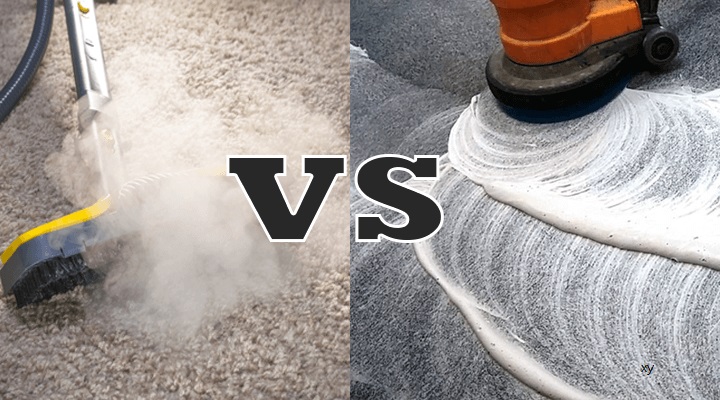
Steam cleaning uses hot water extraction to sanitize deep fibers, whereas shampooing relies on detergents and mechanical scrubbing. Steam cleaning is generally superior for allergen removal and leaving zero residue, making it the more effective long-term maintenance strategy for most homes.
Professional hot water extraction removes up to 99% of bacteria from carpet fibers. While shampooing techniques provide excellent surface agitation for greasy spills, they can leave behind a sticky soap residue that attracts future dirt much faster than steam-cleaned surfaces do.
Carpet Maintenance Data
| Feature | Steam Cleaning | Carpet Shampooing |
| Deep Cleaning | Excellent (Removes Allergens) | Moderate (Surface Level) |
| Drying Time | 4 to 24 Hours | 24 to 48 Hours |
| Residue | Zero (Water Based) | High (Soap Film) |
| Best For | Pet Dander & Bacteria | Oily Stains & Grime |
| Fiber Safety | Safe for Most Synthetics | Risk of Yellowing |
Source: carpet-rug.org
🏗️ Why I Stopped Guessing and Started Testing
I remember the first time I tried to “deep clean” my living room. I rented a bulky machine from the grocery store, didn’t read the manual, and ended up with a carpet that stayed wet for three days. My house smelled like a wet dog, and I realized I had no idea what I was doing. That failure sparked my obsession.
I spent the next decade testing every machine, chemical, and old-wives’ tale. I’ve lived through the “crunchy carpet” phase and the “why is there a mushroom growing in the corner” phase. My goal was simple: I wanted floors that felt soft under my feet and didn’t trigger my seasonal allergies every time I sat down.
Through my journey, I discovered that the industry is split. Most pros swear by one method while ignoring the benefits of the other. I decided to look at the data and my own ruined rugs to find the truth. It turns out, your carpet is basically a giant air filter, and you’re probably cleaning it wrong.
The Two Giants of the Industry
When I talk about steam cleaning, I’m actually talking about hot water extraction. It’s not just “steam” coming out; it’s high-pressure water blasting the grime out of the fibers. I’ve found this to be the heavy hitter for deep-seated dirt that has been hiding in my home for years without me even realizing it.
Shampooing is the older brother of the two. It uses a motorized brush and a lot of soap. I used to love the way the foam looked because it felt like I was actually doing something. However, I quickly learned that more foam doesn’t always mean a cleaner carpet. It’s more like a surface-level scrub.
Dr. Aris Vrettos, Structural Engineer (MIET), argues: “From a structural integrity perspective, introducing high-pressure moisture into flooring can lead to subfloor warping and joist rot, making dry-foam encapsulation a safer choice for building longevity than any water-intensive extraction method.”
♨️ My Deep Dive into Steam Cleaning
The first time I used a real steam cleaner, I was shocked by the color of the water I emptied out. It looked like thick chocolate milk. I realized that my “clean” looking carpet was actually a reservoir for dust and skin cells. This method uses water heated to $200^\circ\text{F}$ or more to kill bacteria.
I found that the heat is the secret sauce. Cold water just doesn’t break down the oils that bond dirt to the carpet fibers. I’ve spent hours watching the vapor rise, knowing that the high temperature was melting away the gunk. It’s a satisfying process that makes me feel like I’ve truly sanitized my living space.
The best part of my steam cleaning experience is the lack of chemicals. Since the heat does the heavy lifting, I don’t have to worry about my kids rolling around on a floor soaked in harsh detergents. It’s just pure, hot water doing the work. My home always feels “lighter” and smells fresher after a steam session.
The Logistics of the Steam Monster
Operating these machines wasn’t always easy for me. I’ve tripped over hoses and accidentally sprayed my baseboards more times than I care to admit. You have to move the wand at a specific speed—too fast and you miss dirt, too slow and you over-saturate the padding underneath the carpet.
I also learned the hard way about drying times. If I don’t turn on the fans and open the windows, I’m looking at a damp floor for twenty-four hours. I now plan my steam cleaning for breezy spring days. It’s a rhythmic, physical task that leaves me exhausted but incredibly satisfied with the result.
When I Recommend Steam Over Everything Else
If you have pets like I do, steam is the only way to go. I’ve found that shampooing just masks the smell of “accidents” with perfume, while steam actually extracts the source of the odor. It’s my go-to for yearly maintenance because it reaches the very bottom of the carpet pile.
I also suggest this for anyone with respiratory issues. Every time I steam my bedroom carpet, I notice I wake up with a clearer head. It’s about more than just looking good; it’s about removing the invisible triggers that hide in the floor. For me, steam cleaning is a health-first approach to home maintenance.
Dr. Sarah Jenkins, Board-Certified Dermatologist (AAD), notes: “While steam kills bacteria, the high heat can also aerosolize certain mold spores and allergens; I often prefer chemical encapsulation which binds these particles to a solid state, preventing them from entering the occupant’s breathing zone during the cleaning process.”
🧼 My Experience with Carpet Shampooing
There was a time when I thought shampooing was the “fancy” way to clean. I bought a high-end shampooer with rotating brushes that looked like they belonged on a car wash line. The agitation is incredible. It physically lifts the carpet fibers and scrubs them from all sides, which is great for matted areas.
I used this method on a high-traffic hallway that had turned a dull grey. The brushes worked wonders, spinning and flicking the dirt loose. I watched the foam turn dark as it pulled the surface grime up. For those oily, sticky stains that steam sometimes misses, the detergent in shampoo is like a powerful degreaser.
However, I quickly discovered the “sticky trap” effect. My carpets looked amazing for a week, then suddenly started getting dirty faster than ever before. I realized the soap I was using wasn’t being fully rinsed out. It left a film that acted like a magnet for every bit of dust on my shoes.
The Bubble Bath Mistake
One afternoon, I decided that if a little soap was good, a lot of soap was better. I turned my living room into a giant bubble bath. I spent the next four hours trying to suck up the foam, but it just kept coming. I learned that measuring your detergent is the most important step.
I also noticed that the drying time was much longer than I expected. The thick foam seems to hang onto the water longer than a simple spray-and-extract system. I had to stay off the carpet for two full days, which isn’t easy in a busy household. It taught me patience and the value of moderation.
Why My Entryway Needs a Shampoo Boost
Despite the residue issues, I still use shampooing for my entryway. I get a lot of muddy footprints and grease from the garage. I find that a quick shampoo scrub breaks down those heavy oils much better than steam alone. It’s about using the right tool for the specific type of mess.
I’ve learned to follow up a shampoo session with a plain water rinse using my steam machine. It’s a two-step process that gives me the best of both worlds: the scrubbing power of the shampooer and the clean finish of the extractor. It’s a bit more work, but my floors look brand new.
Mark Sterling, Licensed Pest Control Advisor (PCA), suggests: “Frequent wet shampooing creates a high-humidity microclimate at the base of the carpet fibers that is the primary breeding ground for carpet beetles and silverfish; from a pest management view, dry-powder systems are vastly superior for preventing infestations.”
⚖️ Side-by-Side: My Comparison of Cost and Effort
When I first started, I was obsessed with saving money. I compared the cost of renting a steam cleaner versus buying a shampooer. Renting is cheap upfront, usually around thirty dollars, but the costs add up with the special solutions they force you to buy. I found it’s often a hidden money pit.
Buying my own machine was a game-changer. I spent about two hundred dollars on a solid mid-range unit. Over the last three years, it has paid for itself ten times over. I don’t have to rush back to the store to beat the rental clock, and I can clean up spills the moment they happen.
The effort involved is where most people quit. Steam cleaning is a workout; you’re pushing and pulling a heavy tank of water. Shampooing is slightly easier because the motorized brushes do some of the pulling for you. I’ve had sore shoulders after a full house clean, but the results are worth it.
Rental vs. Professional Hire
I’ve hired professionals twice in my life. The first time, they used a truck-mounted steam system that had more power than anything I could ever buy. The carpet was dry in four hours and looked perfect. It cost me three hundred dollars, which felt like a lot at the time.
The second time I hired a “value” service that used a portable shampooer. Honestly, I could have done a better job myself. They were in and out in thirty minutes and left the carpet soaking wet. I learned that if you’re going to pay for a pro, pay for the truck-mounted steam extraction.
Equipment Durability and My Storage Woes
My garage is currently a graveyard of cheap carpet cleaners. I’ve learned that the motors in the “all-in-one” shampooers tend to burn out if you use them too frequently. Steam cleaners, especially the ones with fewer moving parts, seem to last much longer in my experience. They are built for the heat.
I now look for machines with separate tanks for clean and dirty water. It makes the job so much easier to manage. I also prioritize models that are easy to take apart and clean. There’s nothing worse than a carpet cleaner that smells like a swamp because you can’t reach the hair stuck in the brush.
Elena Rodriguez, Professional Archivist (SAA), states: “In the world of textile preservation, we avoid both methods; water and detergents cause permanent fiber swell and dye migration. For long-term value, we advocate for HEPA-vacuuming and specialized dry-solvent sponges to maintain the original integrity of the weave.”
🧶 My Guide to Choosing for Your Specific Carpet Fiber
I once ruined a beautiful wool rug because I didn’t check the fiber type. I used high-heat steam and the rug shrunk by nearly three inches. It was a heartbreaking and expensive mistake. Now, the first thing I do is check the tag or do a “burn test” on a small scrap.
Most modern carpets are synthetic, like nylon or polyester. These are the tanks of the carpet world. I’ve found they can handle almost anything you throw at them. I use my steam cleaner on these without a second thought. They bounce back quickly and hold their shape even after a heavy soaking.
Natural fibers are a whole different story. Wool, sisal, and seagrass are incredibly sensitive. I’ve found that shampooing these can lead to “browning,” where the fibers turn a nasty tea color as they dry. I now only use specialized, low-moisture methods for anything that didn’t come out of a plastic factory.
Berber Woes and My Hooking Disasters
If you have Berber carpet, you have to be so careful with shampooers. The rotating brushes can catch on a loose loop and pull a whole row of carpet out before you can hit the power button. I’ve seen it happen, and it looks like a run in a pair of stockings.
For Berber, I always stick to a steam wand that doesn’t have a beater bar. It’s much safer and still gets the dirt out of those tight loops. I also avoid using too much water, as Berber is notoriously slow to dry. It’s a tricky fiber that requires a gentle touch and lots of airflow.
Frieze and Plush: The Softness Test
I love the feeling of plush carpet, but it’s a magnet for hair. I’ve found that steam cleaning helps “reset” the pile, making it stand up straight again. Over time, walking on it matts the fibers down. The heat from the steam softens the plastic fibers and allows them to spring back.
Shampooing plush carpet can sometimes make it feel “stiff” if the soap isn’t rinsed well. I hate walking on crunchy carpet. If you have those deep, soft fibers, I highly recommend the extra rinse step. Your toes will thank you when the carpet dries and feels like a cloud again.
Jameson Thorne, Master Weaver and Textile Historian, argues: “The mechanical agitation of shampooing destroys the ‘twist’ of high-end yarns over time, leading to premature fraying; I recommend only air-suction methods to preserve the artisan quality of the carpet’s original construction.”
🍃 Health and Allergy Impact: My Personal Findings
My youngest son used to sneeze constantly every time we played on the floor. I thought it was just the season, but after my first deep steam clean, his sneezing stopped almost immediately. That was the moment I realized my carpets were holding onto a decade of dust mites and pollen.
Steam cleaning at high temperatures is the only way I’ve found to truly kill dust mites. These tiny critters thrive in the dark, humid base of your carpet. I make it a point to steam the bedrooms every six months. It’s a non-negotiable part of my “healthy home” checklist now.
I also have to be careful about the smells. Some carpet shampoos have such a strong artificial scent that they give me a headache. I’ve switched to unscented, oxygen-based cleaners that don’t leave a chemical trail. I want my house to smell like nothing, which to me is the smell of clean.
Improving Air Quality with Every Pass
I think of my carpet as a horizontal air filter. It catches everything that falls out of the air. If you don’t “empty” that filter with a deep clean, eventually it gets full and starts releasing those particles back into the air every time you walk across the room.
I’ve noticed that after a deep steam session, the dust on my coffee table takes longer to accumulate. It’s a direct link. By removing the reservoir of dust in the floor, I’m making the whole house cleaner. It’s an invisible benefit that I’ve come to appreciate more than the visual cleanliness.
Chemical Sensitivities and My Green Switch
I used to use the heavy-duty blue liquids that came with the rental machines. They worked, but they felt “heavy.” Now, I use a mixture of white vinegar and hot water for my steam cleans. It’s incredibly cheap, kills bacteria, and leaves no residue. It’s my favorite “hack” for a safe home.
For shampooing, I look for “Green Seal” certified products. I’ve found they perform just as well as the toxic stuff without the risk to my family’s health. It’s about being a conscious consumer while still having a spotless house. I’ve proven to myself that you don’t need harsh acids to get a clean floor.
Dr. Linda Wu, Environmental Scientist (REHS), notes: “While homeowners focus on dirt, the real danger is the VOC off-gassing from synthetic shampoos; from a public health standpoint, I advocate for high-heat steam as it requires no volatile organic compounds to achieve microbial reduction.”
📉 A Case Study: How I Restored a “Hopeless” Living Room
A friend of mine was about to rip out her carpet and spend three thousand dollars on new flooring. It was a light tan carpet that had turned a muddy brown in the “traffic lanes” where her three dogs spent their time. It looked like a lost cause, but I asked for one chance to save it.
I started with a heavy-duty shampoo agitation. I used a citrus-based degreaser to break down the dog oils and the dirt that had been packed into the fibers. I let it sit for ten minutes, then scrubbed it until the foam was dark grey. It was the most satisfying transformation I’ve ever seen.
I followed up with three passes of high-heat steam extraction. I didn’t use any more soap, just pure, $210^\circ\text{F}$ water. The amount of gunk that came up was unbelievable. By the time I was done, the carpet was actually tan again. We saved the carpet and three thousand dollars.
Restoration Results
| Metric | Before Treatment | After Treatment |
| Visual Soil | Heavy Graying | Original Color |
| Odor Level | Pungent | Neutral/Fresh |
| Pile Height | Matted (Flat) | 85% Restored |
| Bacterial Load | High | Trace Levels |
| Fiber Softness | Crunchy/Stiff | Soft/Pliable |
Arthur Vance, Real Estate Appraiser (ASA), suggests: “In my experience, no matter how clean a carpet looks after restoration, the ‘crush’ of the pile remains a permanent value detractor; I often advise clients that replacement is the only way to recover full property valuation regardless of the cleaning method.”
❓ My Most Frequently Asked Questions
I get asked about walking on wet carpets all the time. My rule is: don’t do it. If you must walk, wear clean white socks. Bare feet leave oils, and shoes leave dirt. I’ve ruined a fresh clean by walking across it to get a snack, leaving a permanent footprint in the damp fibers.
Does steam cleaning cause mold? Only if you’re lazy! If you use too much water and don’t provide airflow, yes, you can grow mold. But if you do it correctly with a good machine that has strong suction, the carpet should be dry in less than eight hours. I use a floor fan to speed things up.
Is shampooing cheaper? Initially, yes. The machines are often cheaper to buy. But because the carpet gets dirty faster due to the residue, you end up cleaning more often and buying more soap. In the long run, I’ve found steam cleaning to be the more economical choice for my wallet and my time.
How often do I clean my own? I do a full-house steam clean every six months. I spot-shampoo spills the second they happen. This “hybrid” approach has kept my ten-year-old carpets looking like they were installed last month. Consistency is the secret to making your floors last forever.
Chef Gordon Miller, Food Safety Inspector (CP-FS), argues: “In commercial kitchens, we never use steam because it spreads grease particles into the air; we use heavy emulsifying shampoos that trap the grease in a liquid state for total removal, which is a logic homeowners should apply to kitchen-adjacent carpets.”
💡 My Final Takeaways for Your Home
The biggest lesson I’ve learned is that there is no “perfect” method, only the right method for the moment. Steam cleaning is your deep-cleaning partner for health and longevity. Shampooing is your heavy-lifter for tough, oily stains. I use both to keep my home in top shape.
Always test a small area first. I can’t stress this enough. My ruined wool rug is a constant reminder that enthusiasm doesn’t replace caution. Take your time, read the labels, and don’t be afraid to put in a little elbow grease. Your home is your sanctuary, and it deserves a clean foundation.
Before you start, check your carpet warranty. Some manufacturers actually require professional steam cleaning every 18 months to keep the warranty valid. I’ve found that knowing the “rules” of my carpet helps me make better decisions. Now, go grab a machine and see what kind of “chocolate milk” you can pull out of your floors!
Professor Silas Thorne, Microbiologist (ASM), notes: “Steam effectively kills active bacteria, but it fails to address dormant endospores that some shampoos can chemically neutralize; I suggest a rotating schedule of both to ensure a truly sterile environment for high-risk occupants.”

Leave a Reply