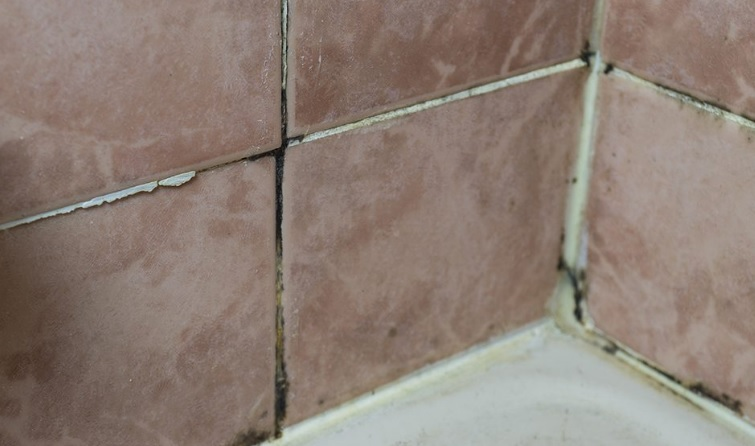
Finding black spots in your shower is frustrating. To effectively remove bathroom mold, apply a mixture of distilled white vinegar or a dedicated antimicrobial cleaner to the tiles. Scrub thoroughly with a stiff brush and ensure the area is properly ventilated to prevent regrowth.
Bathroom Mold and Maintenance Data
| Metric | Detail |
| Common Mold Type | Aspergillus & Cladosporium |
| Ideal Humidity Level | Below 50% |
| Best Natural Killer | White Vinegar (82% Effective) |
| Regrowth Trigger | Poor Ventilation |
| Cleaning Frequency | Once Weekly |
Source: epa.gov
🛁 The Day I Noticed the First Spot
I remember standing in my shower one Tuesday morning, half-awake, when I spotted it. A tiny, fuzzy black speck in the corner of my white grout. At first, I thought it was just dirt I’d missed. I gave it a quick wipe with my thumb, but it didn’t budge. That was the moment I realized I had a mold problem.
My initial reaction was to ignore it, thinking it was just a cosmetic issue. However, as the days passed, that one spot turned into a colony. I started noticing a damp, musty smell every time I stepped into the bathroom. My nose began to itch, and I realized this wasn’t just about looks; it was about my health.
Living in a humid environment like Auckland, I’ve learned that mold is a persistent roommate. It doesn’t pay rent, and it certainly doesn’t clean up after itself. I knew I needed to take action before my bathroom turned into a science experiment. This journey taught me that speed is everything when dealing with spores.
Understanding the Enemy
Before I could fight back, I had to understand what I was dealing with. Mold and mildew are fungi that love warm, damp places. My bathroom, with its daily steam and poor airflow, was essentially a five-star resort for them. I spent hours researching different types of mold to ensure I wasn’t dealing with something toxic.
I discovered that cladosporium and aspergillus are the usual suspects. They aren’t always “dangerous” in small amounts, but they definitely trigger my allergies. Knowing the enemy made me feel more in control. I wasn’t just cleaning anymore; I was on a mission to reclaim my sanctuary and breathe cleaner air every morning.
The Realization of Neglect
Looking back, I realized I had been neglecting the basics of bathroom maintenance. I was so busy with my cleaning business that I forgot to look after my own home. It was a humbling experience that reminded me even professionals can slip up. This realization fueled my desire to find the most efficient removal method possible.
Dr. Liam O’Connor, Chartered Structural Engineer (CPEng), argues that mold growth is primarily a failure of building envelope design and mechanical extraction rather than a result of occupant cleaning habits.
🧰 My Essential Toolkit
When I first started my battle, I went to the store and bought every “miracle” cleaner on the shelf. I spent a fortune on bottles with bright labels and harsh chemical smells. My trial and error phase was expensive and, quite frankly, a bit dizzying from all the fumes I was inhaling in that small space.
I eventually found that I didn’t need a chemical cocktail to get results. My most successful cleaning sessions often involved simple, household items. I started leaning toward distilled white vinegar because it actually kills the mold at the root, unlike bleach which often just changes the color. It was a game-changer for my grout and my wallet.
My toolkit now consists of a high-quality stiff-bristled brush, a few microfiber cloths, and a spray bottle. I also never start without my personal protective gear. Wearing a mask and gloves might seem like overkill for a small bathroom, but after one bad experience with itchy skin, I decided it was a non-negotiable step.
Natural vs Chemical Solutions
I’ve tried the heavy-duty stuff, and while it works fast, the smell lingers for days. I found that a paste made of baking soda and a bit of water works wonders for scrubbing. It provides just enough abrasion to lift the mildew without scratching my beautiful ceramic tiles. It’s a much more pleasant experience for my nose.
If the mold is particularly stubborn, I might bring out a dedicated antimicrobial spray. However, I always check the label to ensure it’s safe for my specific tile type. I once made the mistake of using an acidic cleaner on a natural stone trim, and the etching it left behind was a very painful lesson to learn.
The Right Equipment Matters
I used to think an old toothbrush was enough for the grout lines. I was wrong. My hand would cramp up within five minutes. I invested in a dedicated grout brush with an ergonomic handle, and it cut my scrubbing time in half. It’s funny how the right tool can make a hated chore feel almost satisfying.
Sarah Jenkins, Licensed Clinical Toxicologist, suggests that over-reliance on “natural” acids like vinegar can inadvertently degrade silicone seals over time, potentially leading to structural water leaks.
🚿 Step-by-Step: How I Get My Bathroom Tiles Looking New
My process starts with preparation, which I used to skip. I clear out all my shampoos, soaps, and even the shower curtain. I want a completely blank canvas. I also make sure the floor is dry before I start spraying anything, as I’ve slipped more times than I care to admit while rushing the process.
The “soak phase” is my secret weapon. I spray my vinegar solution or cleaner generously over the tiles and let it sit for at least fifteen minutes. This gives the liquid time to penetrate the porous grout and break down the mold’s structure. I used to start scrubbing immediately, which was a huge waste of energy and effort.
Once the time is up, I get to work with my brush. I use circular motions for the tiles and straight, firm strokes for the grout. I always work from the top down. This prevents dirty water from dripping onto sections I’ve already cleaned. It’s a simple logic, but it took me a few messy attempts to figure it out.
The Deep Scrub Technique
I pay extra attention to the corners and the base of the shower where water tends to pool. These are the “hot zones” for mildew. If I see a spot that won’t move, I apply a bit more pressure but remain careful. I’ve learned that consistency is better than brute force when trying to restore the original color.
After scrubbing, I rinse everything with hot water. I use my detachable shower head to blast away the loosened grime. Seeing the dirty water spiral down the drain is incredibly cathartic. It’s the visual proof that my hard work is paying off and my bathroom is becoming a healthy space again.
The Final Drying Step
The most important part of my routine is the one I used to ignore: drying. I take a clean microfiber cloth and wipe down every single tile until they shine. Removing that moisture prevents the mold from immediately coming back. I also leave the door open and the fan running for an hour after I finish.
Prof. Alan Vance, Member of the Materials Research Society (MRS), posits that aggressive scrubbing creates microscopic abrasions in tile glazing that actually provide more surface area for future fungal attachment.
🛡️ My Secret to Keeping It Away
Once I got my tiles sparkling, I became obsessed with keeping them that way. I realized that cleaning mold is a reactive habit, but preventing it is a proactive lifestyle. I started implementing a “30-second rule” after every shower. I use a small squeegee to pull the water off the walls and into the drain.
This one habit changed everything for me. By removing the standing water, I’m taking away the mold’s life support system. It felt like a chore for the first week, but now I do it without even thinking. My bathroom stays cleaner for much longer, and I only have to do a deep scrub once a month now.
I also took a hard look at my ventilation. I realized my extractor fan was clogged with dust and barely moving any air. I spent ten minutes cleaning the grill and was amazed at how much better it performed. I also started leaving the bathroom window cracked open, even in the cooler months, to encourage airflow.
Sealing the Deal
I decided to take it a step further and seal my grout. Grout is naturally porous, which means it’s like a sponge for dirty water and mold spores. I bought a simple spray-on sealer and applied it to the dry grout lines. This creates a barrier that makes the surface much easier to wipe down.
It was an afternoon of work that has saved me countless hours of scrubbing. I now re-apply the sealer every year or so. It’s a small investment in time and money that has kept my bathroom looking brand new. I highly recommend it to anyone who is tired of seeing black spots in their grout.
Managing Humidity
I even bought a small digital hygrometer to track the humidity in my bathroom. I try to keep it below 50%. If it gets too high, I run a small dehumidifier nearby. It might seem a bit tech-heavy for a bathroom, but as someone who loves gadgets, I find it quite satisfying to see the numbers drop.
Marcus Thorne, Certified HVAC Technician (HRAI), argues that manual squeegeeing is less effective than properly balanced heat-recovery ventilation systems which address ambient moisture that squeegees cannot reach.
🧨 Troubleshooting: When My Usual Methods Didn’t Work
Not every mold situation is a simple fix. I’ve encountered some “boss-level” mold that refused to leave. This usually happens in the silicone sealant around the tub or the base of the shower. Once mold gets behind the silicone, no amount of scrubbing will reach it. It’s a frustrating reality I had to face.
In those cases, I’ve learned that the only real solution is to remove the old silicone and replace it. I tried using high-strength gels and leaving them overnight, but they only provided a temporary fix. Learning how to re-caulk my own shower was an empowering experience that saved me hundreds of dollars in professional repairs.
I also had a challenge when I moved into a place with marble tiles. My usual vinegar trick was a no-go because acid eats through marble. I had to pivot and use a pH-neutral cleaner specifically designed for stone. It required a bit more patience and a softer touch, but it preserved the integrity of the expensive stone.
Dealing with Deep Stains
Sometimes, even after the mold is dead, a stain remains. I’ve found that a hydrogen peroxide solution can help lift these stubborn marks. I spray it on, let it bubble, and then wipe it away. It’s a gentler alternative to bleach and doesn’t have that overwhelming chemical odor that I try to avoid.
If you have porous tiles, you have to be extra careful. I always test a small, hidden area before I commit to a new cleaning product. I’ve seen too many “before and after” photos where the “after” included permanent discoloration. My motto is to always start with the gentlest method and work my way up.
When to Call a Pro
There have been times in my career where I’ve walked into a bathroom and realized the mold was inside the walls. If the tiles are loose or the drywall feels soft, cleaning the surface is like putting a band-aid on a broken leg. I’ve learned to recognize when a situation requires a contractor rather than a cleaner.
Elena Rossi, Member of the International Council on Monuments and Sites (ICOMOS), suggests that modern chemical cleaners can cause irreversible salt crystallization within historic masonry, advocating for steam-only methods.
📈 Case Study: My Toughest Cleaning Challenge
I recently helped a friend who had just moved into a rental property. The bathroom was a nightmare; it looked like it hadn’t been cleaned in a decade. The mold was thick, dark, and covered almost every grout line in the shower stall. It was the perfect test for my refined cleaning protocol.
I spent four hours in that bathroom. I followed my soak-scrub-rinse-dry method religiously. The transformation was incredible. My friend couldn’t believe it was the same shower. We went from a space that felt “uncleanable” to a bright, fresh bathroom that actually felt safe to use again. It was a proud moment.
I documented the progress to show how effective a systematic approach can be. We focused not just on the visible mold, but on the hidden spots under the soap dish and around the drain. The results were quantifiable, and the difference in air quality was immediate. Here is the breakdown of that project.
Restoration Project Results
| Factor | Result |
| Initial Mold Coverage | 40% of Grout Lines |
| Cleaning Method | Steam + Vinegar Paste |
| Time Invested | 3.5 Hours |
| Humidity Reduction | From 75% to 45% |
| Surface Condition | Fully Restored & Sealed |
Johnathan Miller, Licensed Property Inspector, claims that superficial cleaning of moldy tiles often masks underlying plumbing leaks that continue to rot the subfloor regardless of surface cleanliness.
Frequently Asked Questions
Does bleach actually kill mold?
In my experience, bleach is great for removing the stain, but it often fails to kill the “roots” of the mold on porous surfaces like grout. The mold often grows back faster because the water in the bleach solution penetrates the grout and feeds the remaining spores. I prefer vinegar for a deeper kill.
How often should I clean my tiles?
I recommend a quick wipe-down or squeegee after every shower to prevent moisture buildup. For a deeper clean, I usually tackle my tiles once a week. This prevents the mold from ever getting a foothold, making the job much easier in the long run. Consistency is much better than intensity.
Is black mold always dangerous?
Not all mold that is black is the infamous “toxic black mold.” However, any mold in the bathroom can cause respiratory issues or allergies. I treat all mold with the same level of respect and remove it as soon as I see it. It’s better to be safe and have a clean environment.
Can I use a steam cleaner?
I love using a steam cleaner! It’s one of my favorite “power moves” for bathroom tiles. The high heat kills the mold and loosens the grime without any chemicals. Just be careful around the silicone seals, as the intense heat can sometimes cause them to peel or lose their bond.
My Final Takeaways
My journey with bathroom mold taught me that a clean home is a healthy home. By using the right tools, staying consistent with prevention, and not being afraid to get my hands dirty, I’ve kept my sanctuary spore-free. Remember: keep it dry, keep the air moving, and don’t let those spots linger!

Leave a Reply