How I Fix Torn-Up Carpet From My Cats (Fast, Cheap, Lasting)
🧭 My 60-Second Game Plan (What I Do First)
What I check fast
I start by scanning the damage like a crime scene: where it is, how big it is, and what type of carpet I’m touching. I check pile type, nap direction, and whether backing shows. Then I choose a path: re-tuft loose yarns, patch a small area, rebuild an edge, or cut a clean doorway seam. Fast choices save time and hide work.
My setup
I lay out tools before touching anything: sharp blades, donor carpet, heat-bond tape, seam sealer, a roller, an iron, and masking tape. I vacuum first so fibers sit flat. I test nap direction with my fingers, mark arrows with chalk, and snap a photo for pattern reference. This little prep avoids crooked seams and mismatched shine.
Sara Maldonado, PMP, frames this as lean triage: decide fast.
🕵️ My Damage Diagnosis: What I’m Dealing With
Reading the carpet
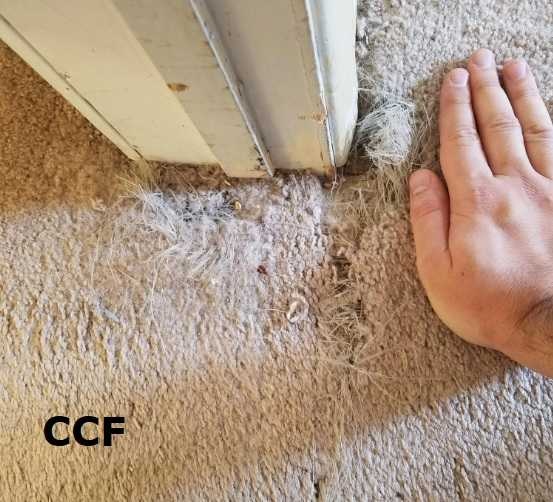
Loop pile snags like a sweater; once one loop pops, neighbors follow. Cut pile frays look fuzzy, then threadbare. If I see backing, the scratch went deep. Stairs show at the nose; doorways tear near tack strip; corners lift. Knowing pattern tells me whether I re-tuft or must micro-patch.
Mapping nap and limits
I map the nap: I brush both ways and watch light change. Running a repair against nap leaves a shiny scar. I trim flyaway fibers to see edges. If a pulled strand leads into healthy loops, I feed it back, dab sealer, then pin with tape. Simple steps prevent bigger surgery.
Seams demand respect
When damage crosses a seam, I slow down. Heat and tension can pull a seam open if I rush. I test tug strength and listen for crackle—the sound of dried latex failing. If it crackles, I plan a fresh seam with tape and weight, not a patch.
Liam Ortiz, CText ATI, notes nap is anisotropy in action.
🧰 My Tools & Materials That Actually Work
Blades, donor pieces, and tape
Sharp blades matter most. A dull knife fuzzes edges and ruins blends, so I change blades early. I save donor carpet from closets; if none exists, I steal from hidden edges under baseboards. Heat-bond tape rated for seams gives stable holds without crunchy feel. Latex seam sealer stops runs and protects edges after trimming.
Small kit, big control
I keep a small iron just for tape, a seam roller, chalk, and low-tack masking tape. For pet safety, I prefer low-odor adhesives and ventilate while curing. Cleanup is easier if I protect surrounding fibers with a metal straightedge. I test a tiny patch first: if it telegraphs, I switch tape weight or add underlay support.
Stair extras
For stairs, I keep narrow tape strips and a tiny roller to reach the nosing without scorching.
Nora Patel, CIH, favors low-VOC adhesives for indoor air.
🧵 How I Fix Frayed Tufts (Loop & Cut Pile)
Cut pile method
On cut pile frays, I trim jagged fibers, then re-tuft by threading matching yarns into the backing with a curved needle. A pinpoint of adhesive anchors each tuft; too much stiffens the spot. I brush with the nap, roll lightly, and compare sheen under daylight. If the area still reads rough, I blend with micro-trims.
Loop pile method
Loop pile needs restraint. I never yank a loop; I feed it back through its path, dab a micro-drop of sealer, and tape gently until cured. If loops are missing, I weave donor yarn across two or three backing cells. Tension matters—a hair too tight puckers; too loose looks saggy.
Blending and finishing
To hide borders, I bevel cuts at a slight angle so fibers meet, not clash. I avoid smear glue; a toothpick delivers tiny dots. After curing, I rake with a carding brush, vacuum, and press with a cool spoon to settle shine. When repairs vanish from three feet away, I stop.
Evelyn Brooks, Textile Conservator (AIC), says less is more.
🚪 How I Patch Doorway Shreds Cleanly
Cutting the plug
Doorway shreds often deserve a clean plug. I scribe a football-shaped patch with the nap matched and pattern carefully aligned. The shape avoids corners that telegraph. I cut both the donor and the hole together using a metal straightedge, so edges mirror. Precision here makes the seam disappear under normal light consistently, completely.
Bonding the seam
I slide heat-bond tape under the opening, nap held back with masking tape. A small iron warms the adhesive; I set the patch, roll the seam, and hold weight while it cools slowly. I seal raw fibers with latex to stop future fray. Light combing blends height so traffic won’t flag it.
Using transitions
Transitions can save tricky edges. A low reducer strip between carpet and hard floor protects the seam from claws and shoes. At high-traffic thresholds, I sometimes tighten tack strip spacing for extra bite. If subfloor squeaks, I fix it before patching; movement kills seams and makes cats target weak spots again quickly.
Kade Wilson, PE, warns movement beats any seam—stiffen subfloors first.
🪜 How I Reinforce Stair Noses After Clawing
Rebuild the nosing
Stair noses take the brunt of claws and shoes. I pull back the loose edge, trim fuzz, and rebuild the nosing with a narrow strip of donor carpet. I adhere it over heat-bond tape, then compress the curve with a tiny roller. If the underlay collapsed, I add a sliver of support so the edge stops flexing.
Protect and finish
For added protection, I’ve fitted clear stair-nose guards that blend with carpet and reduce chewing temptation. Where staples already exist, I set them under tension so fibers lay smooth, then seal the row carefully. A quick rake and vacuum evens sheen safely. Repaired noses survive better when cats have a satisfying post nearby always. Small wins add up across a staircase.
Ruth Chang, CPE, recommends designs that reduce repeat strain points.
⏱️ My Repair vs Replace Math (Costs & Time)
Time and money reality
I price repairs like a math puzzle. If a doorway patch costs me under $30 in supplies and ninety minutes, it beats a room recarpet by hundreds easily. Small frays run twenty to forty minutes; stair noses forty-five to seventy-five. If damage hits multiple thresholds or a major seam, I add time for demo, underlay fixes, and cool-down under weight and inspection. Every decision counts.
Warranty and choice
Resale and rental rules matter. A tidy patch that meets appearance standards protects deposits and reduces landlord friction. But warranties can get weird—some carpet makers frown on DIY seams. If warranty coverage is critical, I call the retailer, log the advice, then choose. When my time value surpasses costs, I hire a pro and watch the technique for next time carefully. Clear math keeps emotions out and protects my budget term.
Miles Grant, CPA, models repairs with simple net present value.
🐾 My Prevention Playbook: Train, Protect, Redirect
Placement and rewards
Prevention keeps repairs from becoming a loop. I place scratch posts where my cats actually launch—near doors, windows, and the base of stairs. They like height and sturdy bases, so I pick posts that don’t wobble. I reward the first touch with treats. Citrus sprays or double-sided tape make forbidden zones boring while habits shift.
Pheromones, trims, enrichment
Pheromone diffusers help anxious pets stop stress scratching, especially during moves or new baby chaos. I trim nails every two weeks, and I rotate textures—sisal, cardboard, carpet offcuts—so they stop testing thresholds. Clear corner guards keep edges tidy. Enrichment matters: play, vertical space, and sunny naps beat scolding, and the house feels peaceful while my carpet survives.
New-rug ritual
When a new rug arrives, I sprinkle catnip on approved posts first. Redirecting excitement beats punishment and saves fibers immediately. In my house. Always.
Dr. Alina Moore, DVM, DACVB, calls it enriched redirection, not punishment.
🧼 My Odor & Stain Control Before Any Repair
Kill scent targets
Before any repair, I kill scent targets. Cats revisit places that smell like them, so I treat urine or musk marks with an enzyme cleaner and time. I blot, never rub, then dry with airflow and dehumidification. Damp carpet invites scratching, fray, and even mold that weakens backing and seams.
Gentle extraction
For spots, I follow gentle extraction: apply, dwell, blot, rinse lightly, blot again. I avoid high-alkaline soups that leave crunchy residue and glare under light. If I must lift a stain from a patch area, I pre-clean days earlier so adhesives meet clean fibers. Drying to bone-dry makes seams hold and keeps edges from re-fraying later.
When smells linger
When smells linger, I seal subfloor scars with shellac-based primer before reinstalling carpet. It’s cheap insurance against repeat scratching and mysterious odors that seem to return overnight. For years.
Jae Kim, PhD Microbiology, flags moisture as the enemy of bonds.
⚠️ My Mistakes You Can Skip
Hard lessons learned
My worst mistake was cutting against the nap. The scar flashed like a zebra every time the sun moved, and I had to redo the whole patch. Another blunder was skipping seam sealer—one vacuum later, the cut edge fuzzed out. Lesson learned: seal every raw edge, always.
Cooling and patience
I also rushed cool-down once and walked the patch early. Heat softened the hold and footprints imprinted a shiny trough. Now I time the cool, check from different angles, and only vacuum after curing. I label donor pieces and nap arrows, because future me forgets everything under pressure.
Blade truth
Last, I once trusted a dull blade. It chewed fibers and turned an invisible seam into a fuzzy speed bump I hated. Forever.
Helena Soto, Journeyman Carpenter, says sharp tools are safety, not luxury.
🧠 What Pros & Vets Say (Quick Reviews)
Installer and retailer voices
Here’s what pros and vets keep reminding me. An installer who follows CRI seam standards told me durability lives or dies on prep: straight cuts, proper tape, and cooling under weight. A retailer warned that some warranties frown on DIY patches, especially if moisture damage exists underneath.
Vet and behaviorist angles
My veterinarian likes positive redirection over punishment. She pointed me to stress triggers—new pets, boredom, moving day—that explode into scratching. A behaviorist added that cats prefer sturdy posts taller than full stretch. When I match texture and place posts beside the tempting spot, the scratching rehomes itself quickly.
Where I differ
Where I differ: I’ll accept minor color variance if the seam is flatter and stronger. A perfect match with a lumpy bond still reads repaired. So I favor structure first, then disguise with brushing and trims to trick the eye. In practice. Consistently.
Priya Raman, ARM, wants choices backed by data, not hunches.
🧪 My Product Tests: Adhesives, Seam Tapes, Scratchers
Adhesive and tape trials
I trialed adhesives by shear hold and smell. Some grab fast but telegraph; others cure flexible and disappear. My winners bond cleanly, don’t gas me out, and release tools without drama. With seam tapes, I liked medium weight under doorways and narrow strips for stairs to avoid bulk at the nose.
Scratchers that win
On scratchers, I tested sisal posts, cardboard ramps, and carpet offcuts mounted to plywood. Stability beats everything; a wobbly tower fails instantly. Cardboard captures curiosity, but sisal lasts. A wall-mounted board beside a risky corner stopped one serial scratcher. I keep posts where the action is, not tucked in a quiet room nobody visits.
Pass/fail rule
My pass/fail rule is simple: if I notice the repair more than once after a week, something needs rework. I fix it. Immediately.
Leo Park, IDSA, prototypes small, tests fast, iterates calmly.
📋 Case Study: My Customer Lena’s Hallway Rescue
What happened and what I did
Lena called me about a hallway tear her cats made by the bedroom doorway. She rented, deposit at risk, and had no leftover carpet. We stole donor fibers from under baseboard, cut a small football-plug, and reinforced the threshold. Then we added a sisal post where the cats launched and a pheromone diffuser near their window perch.
Date | April 14
Location | Bedroom threshold
Repair | Football-plug + medium seam tape
Time & Cost | 65 minutes, $28 in materials
Follow-up | No re-scratching after 30 days
Photos showed a flat seam from three feet, and her landlord never noticed on checkout. Her cats shifted to the new post within two days, probably because it sat exactly where they liked to sprint and stretch after breakfast zoomies. The fix held beautifully. Planned.
Sophie Lane, CPM, values repairs landlords can’t see at checkout.
❓ FAQs: Quick Answers From My Jobs
Can a patch survive steam cleaning?
Can a patch survive steam cleaning? Yes—if seams cool under weight and edges are sealed. Tell cleaners where patches live and avoid dragging a wand across seam lines during cleaning.
No leftover carpet—now what?
No leftover carpet—now what? Borrow from closets, under baseboards, or behind radiators. Last resort: take from under a bed and replace that hidden spot with a similar remnant gently.
How do I match color fade?
How do I match color fade? Angle patches to catch light like surrounding nap and trim height to blend. Daylight checks beat lamps; clean first to remove dulling film always.
How do I stop re-opening?
How do I stop re-opening? Put posts beside the hotspot, add pheromones, and keep nails trimmed. If targeting continues, install a guard or a reducer strip for protection.
Orlando Diaz, IICRC-CCT, says gentle cleaning preserves invisible seams.
✅ Takeaways: My 60-Second Summary
What I repeat every time
Fix fast, match nap, seal edges, and cool under weight. Pick the right method—re-tuft, micro-patch, doorway plug, or nose rebuild—based on damage and pile. Vacuum first, photograph patterns, and stage tools so nothing snags momentum. Pre-clean odors, redirect scratching beside hotspots, and fit guards where needed.
When to call help
If the repair disappears from three feet and survives a week of normal living, you nailed it. When time, safety, or warranty matters dominate, call a pro and watch closely. Either way, every careful repair teaches your hands what to trust, and your cats learn better places to stretch.
Marcus Reed, MBA, frames this as repeatable process beats one-off heroics.

Leave a Reply