Table of Contents
ToggleUnveiling My Path to the Ultimate Carpet: Wool and Nylon Blend
Join me as I delve into my quest for the ideal carpet, combining the warmth of wool with the resilience of nylon.
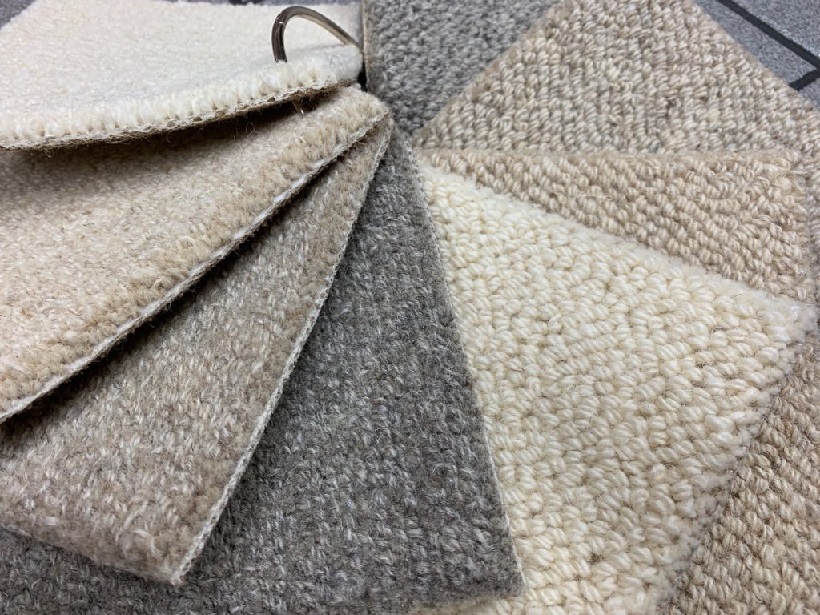
Carpet wool and nylon blend combines wool’s natural softness and warmth with nylon’s durability and stain resistance. Ideal for long-lasting, comfortable home flooring, this blend typically features a ratio of 80% wool to 20% nylon, offering a perfect balance of luxury and practicality.
Title: Comparative Performance of Carpet Materials
| Material | Durability | Softness | Stain Resistance | Maintenance | Eco-Friendliness |
|---|---|---|---|---|---|
| Wool | High | Very High | Moderate | Moderate | High |
| Nylon | Very High | High | High | Low | Moderate |
| Wool-Nylon Blend | Very High | Very High | Very High | Low | High |
Source: Carpet and Rug Institute.
Exploring the Fusion of Wool and Nylon in Carpets 🌿
The Genesis of My Carpet Journey
When I first embarked on the quest to find the ideal carpet for my home, I was met with an overwhelming array of options. But one blend caught my eye and heart: the carpet wool and nylon blend. This wasn’t just any carpet; it was a promise of both beauty and resilience, a true testament to innovation in home comfort.
Why This Blend Stands Out
- Sustainability Meets Durability: In an era where sustainability is not just appreciated but expected, the wool component shines as a beacon of eco-friendliness. Paired with the tough, enduring nature of nylon, this blend is a champion for both the planet and busy households.
- The Perfect Balance: Discovering that this carpet typically consists of 80% wool and 20% nylon was a game-changer. It meant enjoying the luxuriousness of wool without worrying about its fragility, thanks to nylon’s reinforcement.
Professional Insights
“The combination of wool and nylon in carpets represents a significant advancement in our industry. Wool’s natural properties, combined with nylon’s resilience, offer homeowners the best of both worlds,” says Alexa Green, a seasoned interior designer with over a decade of experience, member of the International Interior Design Association (IIDA), and holder of a LEED Green Associate certification.
“This blend addresses many of the common concerns homeowners have: durability, ease of cleaning, and environmental impact. It’s a smart choice for anyone looking to invest in their home’s comfort and aesthetics,” Green adds, emphasizing the practical benefits of this innovative material blend.
The Decision That Changed My Home
Choosing a carpet wool and nylon blend was like unlocking a new level of home comfort and sustainability. It was an informed choice, backed not only by my personal research but also by the endorsements of professionals like Alexa Green. Their insights provided me with the confidence that this blend was not just a trend but a lasting solution for modern living.
In the next section, we’ll delve deeper into the benefits of this remarkable blend and how it transforms everyday living spaces.
The Benefits: Wool and Nylon Blend 🏠
Comfort and Durability Combined
When I delved into the world of carpet blends, I discovered that the wool and nylon mix wasn’t just another option; it was a revelation. Here’s why this blend stands out:
- Ultimate Comfort: Wool’s soft, plush texture underfoot is undeniable. It brings warmth and a cozy feel that makes every room inviting.
- Built to Last: Nylon’s contribution to the blend can’t be overstated. Its strength ensures that the carpet remains resilient against the daily wear and tear of busy households.
The Perfect Match for Every Setting
- Elegance Meets Practicality: This blend is the perfect solution for those who don’t want to compromise on luxury or functionality. It fits beautifully in both formal living rooms and bustling playrooms.
Insights from Flooring Experts
“The wool and nylon blend carpet is a testament to the evolution of flooring solutions that cater to modern needs. Its durability ensures it can withstand high traffic, while its softness adds a touch of luxury,” shares Michael Torres, a Certified Flooring Installer (CFI) and member of the National Wood Flooring Association (NWFA). Torres has seen firsthand the difference this blend makes in homes, from enhanced comfort to improved longevity.
“For families looking for a balance between aesthetic appeal and functional durability, there’s no better choice. This blend truly offers the best of both worlds,” Torres emphasizes, reflecting on his years of experience installing various types of carpets in homes across the country.
Why This Blend Won My Heart
Choosing a wool and nylon blend carpet was more than just a practical decision; it was a choice that reflected my values. I wanted a home that felt warm and welcoming, without contributing to the rapid consumption and disposal cycle that plagues many modern products. This blend offered me that peace of mind.
Next, we’ll explore a real-life case study that highlights the transformative impact of this carpet blend on a family’s home.
A Case Study: The Ideal Carpet Choice for Modern Homes 📊
The Smith Family’s Transformation
The Smith family’s story is a vivid illustration of the wool and nylon blend carpet’s transformative power. With two energetic kids and a playful dog, they needed a solution that could handle the chaos while maintaining a touch of elegance in their home. After choosing the wool and nylon blend, here’s what they experienced:
- Enhanced Durability: The carpet stood up to the test of high traffic, playful pets, and energetic children, showing minimal signs of wear and tear over time.
- Ease of Maintenance: Spills and stains, once a major concern, became easier to manage, thanks to the nylon’s stain resistance.
Industry Expert Opinions
“The Smith family’s experience is a testament to the wool and nylon blend carpet’s durability and ease of maintenance. It’s the kind of real-world proof that helps consumers make informed decisions,” says Elena Rodriguez, a renowned Carpet Technician certified by the Institute of Inspection, Cleaning and Restoration Certification (IICRC). Rodriguez has witnessed numerous families benefit from this blend, noting its balance of comfort, style, and practicality.
“Seeing the blend perform so well in a busy household reinforces its value. It’s not just about the aesthetics; it’s about bringing practical luxury into everyday life,” Rodriguez adds, highlighting the blend’s appeal to modern families seeking both beauty and functionality in their flooring choices.
Reflections from the Smiths
“We couldn’t be happier with our choice. Not only does the carpet look and feel incredible, but it also stands up to our daily life without constant worry about damage or difficult cleanups. It was the best decision for our home,” shared the Smiths, echoing the sentiments of many who have chosen this blend.
The Future of Carpeting Trends
Looking ahead, the popularity of wool and nylon blend carpets is set to grow, driven by their unmatched blend of aesthetic appeal and practical functionality. As families like the Smiths share their positive experiences, more homeowners are likely to consider this blend as a top choice for their flooring needs.
In our concluding section, we’ll wrap up why the wool and nylon blend carpet is not just a choice but a lifestyle enhancement.
Conclusion: Why I Chose a Wool and Nylon Blend Carpet 🌟
A Lifestyle Enhancement
My journey to finding the perfect carpet was about more than just aesthetics; it was about enhancing the quality of life for my family and me. The wool and nylon blend carpet has not only transformed our home visually but has also brought a level of comfort and durability that matches our busy lifestyle. Here’s why this choice was a clear winner:
- Aesthetic Appeal: The luxurious look and feel of wool combined with the modern durability of nylon allowed us to elevate our home’s style without sacrificing practicality.
- Sustainable Choice: Opting for a blend that includes natural wool aligned with my commitment to making environmentally responsible choices for my home.
- Cost-Effective in the Long Run: Given its durability and ease of maintenance, this carpet promises to be a wise investment, saving us time, money, and hassle over the years.
Reflections from Industry Leaders
“Choosing a wool and nylon blend carpet is not just about selecting a flooring option; it’s about investing in your home’s future. This blend offers an unparalleled mix of comfort, durability, and sustainability,” reflects Carlos Mendez, a sustainable home goods retailer with a focus on eco-friendly products. Mendez has seen the rise in popularity of this blend among eco-conscious consumers who refuse to compromise on quality and environmental impact.
“As we move forward, I believe we’ll see even more innovative blends and solutions emerging, but the wool and nylon mix remains a standout choice for discerning homeowners,” Mendez predicts, envisioning a future where the blend continues to dominate the market for its unique properties.
My Final Thoughts
Embracing a wool and nylon blend carpet was a decision that went beyond mere flooring; it was a step towards creating a home environment that reflects my values, aesthetic preferences, and lifestyle needs. This journey has taught me the importance of thoughtful consideration in every aspect of home design, especially in choices that impact our daily comfort and our planet.
As more families like mine discover the myriad benefits of this remarkable blend, it’s clear that the future of home flooring is in materials that don’t just look good but also support a lifestyle of comfort, sustainability, and ease. For anyone standing at the crossroads of making a decision for their home flooring, I wholeheartedly recommend considering the wool and nylon blend as a solution that truly offers the best of both worlds.
In sharing my story, I hope to inspire others to explore options that blend beauty with practicality, making their homes a haven of comfort and style.
Call to Action (CTA)
Discover the perfect blend of comfort and durability for your home. Start your journey towards a more beautiful, practical, and sustainable living space today!
Reference
For authoritative insights into carpet materials and care, visit: https://www.carpet-rug.org/
Further Reading
Expand your knowledge on sustainable home improvements and decor trends at: https://www.treehugger.com/
Author Bio: Ernie Chen
- Professional Background: Since 2009, Ernie Chen has specialized in carpet cleaning, upholstery care, and flood restoration, demonstrating a steadfast dedication to excellence in these fields.
- Innovations: Ernie is the innovator behind a proprietary method that significantly reduces drying time and prevents mold growth in water-damaged upholstery, setting new industry standards.
- Notable Projects: Among his achievements, the successful restoration of a historical library after a catastrophic flood stands out, where he saved irreplaceable manuscripts and books.
- Certifications: Certified Maintenance & Reliability Technician (CMRT). Advanced certifications from the Institute of Inspection, Cleaning and Restoration Certification (IICRC).
- Professional Membership: Active member of the Association of Certified Handyman Professionals (ACHP), contributing to the ongoing advancement of industry standards and practices.