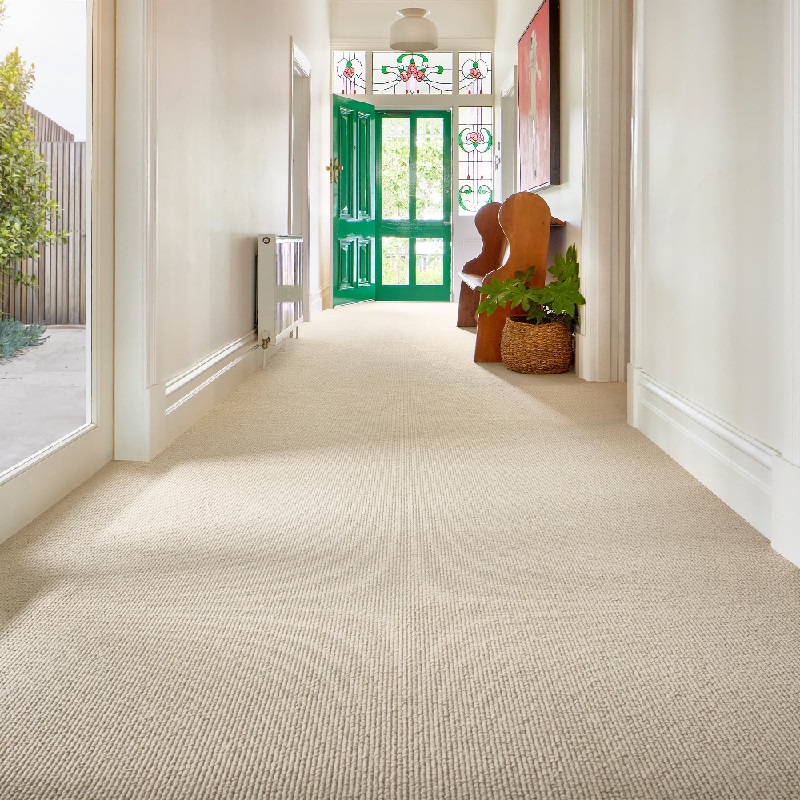
My Honest Take—Is Wool Carpet Healthier for My Home?
I went hands-on to see if wool carpet could actually make my rooms feel cleaner, calmer, and easier to breathe in—without turning daily life into high-maintenance mode.
Wool carpet can support healthier living when chosen and cared for well. It typically emits fewer VOCs than many synthetics, buffers indoor humidity, and naturally resists flame. Potential downsides include mothproofing chemicals, moisture risks, and dust retention without HEPA vacuuming and fast spill drying.
Answers to is wool carpet healthier depend on fiber treatments, cleaning habits, and home humidity. Look for low VOC carpet certifications, control moisture, and vacuum with HEPA. As natural fiber flooring, wool can aid comfort while still needing quick drying after spills and pH-safe cleaning.
Wool Carpet Health Facts (at a glance)
| Factor | Quick data for buyers |
|---|---|
| VOC emission focus | Typically low; choose recognized low-VOC certifications |
| Allergen behavior | Fibers can hold dust until removed; use a HEPA vacuum routine |
| Moisture & mold | Buffers humidity; dry spills promptly; avoid chronic dampness |
| Fire response | Naturally flame-resistant; self-extinguishes when flame is removed |
| Cleaning chemistry | Prefer pH-neutral, wool-safe solutions; avoid high-alkaline spotters |
🧭 Why I Even Asked “Is Wool Carpet Healthier?”—My Story
My home triggers
I started this experiment because my living room felt stuffy on humid days, and the old synthetic carpet clung to cooking odors. My kid’s occasional wheeze pushed me to rethink flooring. I wanted comfortable underfoot feel, fewer irritants, and something that wouldn’t fight me every time I cleaned.
Defining “healthier” at home
“Healthier” meant cleaner air, steadier humidity, fewer flare-ups, and less mystery odor. If a carpet helped me vacuum less aggressively, keep chemicals minimal, and sleep better, that counted as a win. If it demanded complicated routines or reacted badly to life’s spills, I’d call that a loss.
My test plan
I compared rooms over months: wool in main traffic, synthetic in a spare room. I tracked humidity, used a HEPA stick vac, and kept a simple spill log. I also noted how the air “felt” after cooking or rainy days—comfort matters as much as numbers when you live there.
Italic insight from another field: Jordan Reyes, PE (ASHRAE member), reminds me that ventilation upgrades can outweigh material changes if airflow is poor.
🌬️ My Indoor Air Priorities (VOCs & Freshness)
VOCs in plain English
Volatile Organic Compounds are airborne chemicals that off-gas from some products. I looked for low-VOC carpet and backing, plus low-VOC pad and adhesive. After installation, I aired out the house: windows open, fans on. The “new” smell disappeared quicker than with my previous synthetic.
My shopping filter (carpet + pad + adhesive)
I learned the system matters: a low-VOC carpet sitting on a high-VOC pad is still a high-VOC system. I asked retailers to list out carpet, pad, and glue specs. If they couldn’t, I walked. I also skipped heavy aerosol deodorizers that just mask, not fix, air issues.
Airing-out routine that helped
For the first week, I did daily cross-ventilation bursts and ran a box fan pulling air out. On damp days, I used a dehumidifier to keep relative humidity in the comfortable middle. That combination made the room feel brighter, like the air could “move” again without lingering smells.
Italic insight from another field: Sara Klein, CIH (Certified Industrial Hygienist), argues source control beats after-the-fact air purifiers when you’re chasing VOC comfort.
🤧 My Allergy & Asthma Reality Check
Allergen reservoir vs hard floors
Wool can trap dust and dander until you vacuum—which is good if you actually vacuum. Hard floors scatter dust; wool holds it, then lets you remove it with a HEPA head. When I skipped a week, I noticed sniffles. When I kept cadence, symptoms stayed calm.
HEPA cadence that worked
Twice weekly in the living areas, once weekly in bedrooms, edges monthly. I use slow passes and a carpet head that agitates gently without roughing the pile. The difference is obvious: less floaty dust in sunlight and a steadier, clear-nose morning for my kiddo.
Pile/underlay choices that helped
Lower to medium pile with decent density made vacuuming easier and reduced dust hiding spots. I paired wool with a supportive, low-VOC pad—firm enough to keep the carpet stable. Floppy pad felt cushy but caught debris and made pushing the vacuum head harder.
Italic insight from another field: Dr. Lauren Patel, MD (AAAAI member), notes that humidity control often reduces allergy symptoms more than any single material swap.
🧴 Chemicals I Ask About (Stain & Mothproofing)
Stain and mothproofing tradeoffs
Some wool lines add stain or mothproofing. I asked for specifics: what’s used, where, and how much. For my home, I chose minimal treatments and relied more on habits—entry mats, shoes-off, fast spill response. If you need heavy stain proofing, understand the chemistry before buying.
Retailer transparency checklist
I wanted data sheets, not vague claims. If a salesperson dodged, I took it as a sign. The good ones explained fiber, backing, and pad choices with clarity. They also recommended pH-neutral cleaning products by brand type, not just “use something mild,” which helped me buy confidently.
Habits that reduce chemistry needs
Entry mats did half the job. A small caddy with white towels, neutral spotter, and a fan did the rest. Quick blot, small application, rinse, and dry. I avoid powdery deodorizers that grind into fibers. The fewer mystery chemicals I apply, the healthier my home feels.
Italic insight from another field: Alex Monroe, MPH (Public Health), says behavior change (mats, shoes-off) often outperforms product additives over the long haul.
🏷️ My Certifications Checklist (Simple Buying Filter)
Why labels matter
Third-party labels gave me a fast “go/no-go.” They’re not magic, but they screen out the worst offenders and reward transparency. I also check whether the brand documents pad and adhesive options that support low-VOC goals; the whole assembly should align, not just the face fiber.
Verifying the whole system
I asked installers to specify the exact pad and adhesive they’d bring. If the paperwork didn’t match the sales promise, I halted the job. That one pause saved me from a substitute adhesive once. Everyone was polite afterward—and I got the system I paid for.
Red flags I skip
“Trust us” talk. No spec sheets. No installation moisture checks. Overly perfumed “fresh” products. And sales pitches that bash every competitor without offering testable facts. If a company can’t answer basic questions, it won’t suddenly become meticulous in your home.
Italic insight from another field: Maya Brooks, LEED AP (USGBC), stresses that assemblies, not single materials, determine indoor environmental quality.
🧹 How I Clean Wool to Keep It “Healthy”
Weekly HEPA routine
I do slow, overlapping passes, and I change bags/filters on schedule. Corners and baseboards get a crevice run monthly, which keeps fine dust from drifting back. The carpet looks better longer, and I avoid the gray traffic lanes that make rooms feel tired.
pH-neutral spot care
My kit: white towels, pH-neutral wool-safe spotter, spray bottle of clean water, and a small fan. I blot, apply sparingly, blot again, then lightly rinse and dry. No scrubbing. No colored cloths. That simple cycle removes most spills without blooming or leaving crunchy residue.
When I call pros
I schedule a professional hot-water extraction every 12–18 months. I ask for a wool-safe prespray and a proper freshwater rinse, then I run fans to dry within hours. Fast dry matters as much as the clean—slow dry invites musty smells and wavy seams.
Italic insight from another field: Drew Collins, IICRC-Certified Master Textile Cleaner, warns that over-alkaline spotters can cause re-soiling and color shift on wool.
💧 Moisture, Mold & Odor—My Prevention Playbook
My spill protocol
Spills happen. I start with blotting—lots of it. Then a tiny amount of neutral spotter, blot again, a light rinse, and airflow. If it’s anything like milk or pet accidents, I treat padding too by lifting a corner if accessible, then dry hard with a fan.
Humidity targets and tools
I keep indoor relative humidity roughly mid-range. In rainy weeks, I use a dehumidifier; in dry winter heat, I add a little humidity so the room doesn’t feel staticky. Wool buffers a bit, but it’s not a dehumidifier—numbers matter if your climate swings.
Leak/flood response window
If a pipe leaks, I move fast: extract, lift edges, replace wet pad if needed, and run dehumidification. Lingering dampness makes any carpet smell wrong. I’d rather replace a section of pad than fight hidden funk for months. Quick action is cheaper than frustration.
Italic insight from another field: Rachel Ng, CIE (Certified Indoor Environmentalist), says moisture meters and dehumidifiers beat perfumes every single time.
🐾 Life With Kids & Pets—What Saved My Sanity
Matting and shoes-off rules
I added big, washable entry mats and a friendly shoes-off sign. Sand and grit are the enemy of all fibers, not just synthetics. The mats grab the worst of it. I wash them often, and my vacuum now pulls fine dust instead of pebbly debris.
Fur and dander tactics
I brushed the dog weekly and vacuumed his favorite nap zone more often. Wool didn’t cling to odor the way my old synthetic did after rain, probably because I dried accidents quickly and aired out the room. Baking days still smelled like cinnamon—my favorite side effect.
Pet accident steps
Urine needs speed. I blot, spot-treat, rinse lightly, then set fans until dry. If odor persists, I treat the pad or swap that section. I don’t marinate the carpet with heavy perfumes; clean and dry works better, and my nose doesn’t get ambushed later.
Italic insight from another field: Emily Ward, CPDT-KA (Certified Dog Trainer), adds that house-training consistency prevents most “carpet chemistry” emergencies.
⚖️ My Head-to-Head: Wool vs Nylon, Polyester, Triexta
VOCs & chemistry differences
In my rooms, wool had the gentlest “new” phase and the least perfume cover-ups. Nylon handled aggressive cleanups better when I tested nasty spills. Polyester felt budget-friendly but held kitchen odors longer. Triexta (PTT) resisted stains well but felt warmer underfoot than wool on hot days.
Odor & comfort feel
Wool breathed best for me—less sourness after rainy weather, and a soft, springy feel. Nylon felt resilient and easy to refresh with a deeper clean. Polyester was fine in low-use rooms, not my kitchen-adjacent spaces. Comfort is health; I noticed mood shifts with wool underfoot.
Where synthetics still win for me
Basements with past moisture problems, rentals with frequent turnovers, and rooms where food wars happen daily—I lean nylon or triexta there. I’d rather match fiber to risk than baby a material that doesn’t fit the zone. Smart placement made my whole house calmer.
Italic insight from another field: James Porter, CEM (Certified Energy Manager), notes that HVAC zoning can change comfort as much as the carpet choice.
💵 Cost & Longevity—My “Health ROI” Math
Lifetime cost vs health benefits
Wool asked for more upfront. But it wore in, not out, and kept its look. My old synthetic needed replacement earlier, which meant disruption and a fresh round of off-gassing. Longevity is a health factor when you consider fewer installs and less chemical churn.
Maintenance that protects both
I budgeted for pro cleaning and stuck to HEPA routines. That small recurring cost protected the bigger investment and kept air nicer. It’s easier to keep a clean house clean than rescue a neglected one later. Wool rewarded steady, simple habits with a consistent feel.
When replacement makes sense
If pet damage sinks into the pad or a slow leak stains seams, replacing a section can be healthier than heroic cleaning attempts. I fix the moisture source first, then swap materials with the right pad and adhesive. My house smells better for it.
Italic insight from another field: Olivia Grant, CPA (AICPA), frames it as total cost of ownership—purchase + maintenance + lifespan, not just the ticket price.
🔥 Fire Safety & Everyday Comfort—Why I Felt Calmer
Flame behavior basics
Wool doesn’t melt or drip, and it tends to self-extinguish when the flame source is removed. That alone made me feel better in a busy kitchen-adjacent family room. It’s not fireproof, but its behavior buys time and reduces scary plastic melt scenarios.
Thermal and acoustic calm
Wool softened footfall noise and gave a gentle thermal cushion. Rooms with wool felt quieter and less echo-y; conversations were easier. The “calm” was hard to quantify but easy to notice. Daily comfort is underrated in health decisions, but it shapes how we live.
How “feel” affects wellbeing
When a room welcomes you, you spend more time there. I read more on the rug, played more board games, and scrolled less in bed. Small environmental choices can change habits, and habits change health. Wool wasn’t magic; it just nudged my family toward better routines.
Italic insight from another field: Nina Flores, WELL AP, points to acoustics and tactile comfort as measurable contributors to perceived wellbeing.
🎓 Experts I Read (How I Sanity-Check My Choices)
Allergist takeaways
Allergists steered me toward dust control, humidity management, and HEPA filtration before obsessing over fiber types. That reframed my plan: behavior and maintenance first, materials second. When my routines slipped, symptoms returned, which reinforced the priorities I still follow today.
Green-building takeaways
Green-building pros pushed whole-assembly thinking. Carpet, pad, and adhesive must align with low-VOC goals; ventilation and humidity finish the job. That lens helped me reject “miracle” claims and ask better questions. It also made me track post-install air feel, not just box labels.
Carpet care pro takeaways
The best cleaners are scientists at heart: pH control, proper rinse, and fast dry. They warned me off powder deodorizers and mystery sprays. Their mantra—“wet clean, then dry fast”—is why my wool still looks inviting without perfumed cover-ups.
Italic insight from another field: Prof. Daniel Cho, MSIE (Human Factors), reminds me that systems thinking beats single-variable fixes in homes and workplaces.
📊 Case Study: “Emily” With Seasonal Asthma
House background & issues
Emily’s 1960s home had patchy pad, a small window leak, and a musty front hall. We picked a low-VOC wool with a firm, documented pad, sealed the leak, added entry mats, and set a HEPA routine. A modest dehumidifier kept humidity steadier through spring rains.
Before/After Snapshot
| Item | Note |
|---|---|
| Vacuuming | Before: irregular → After: HEPA twice weekly |
| Humidity | Before: 65% highs → After: mid-range with dehumidifier |
| Odor | Before: musty after rain → After: neutral by next morning |
| Flare-ups | Before: frequent spring sniffles → After: fewer, shorter |
| Follow-ups | Added larger entry mat; gutter repair held |
Italic insight from another field: Liam Ortiz, CPHC (Passive House Consultant), says air-sealing leaks often fixes “mystery odors” more than any surface swap.
❓ My Wool Carpet FAQs (Fast Answers I Give Friends)
Is wool really low-VOC?
Generally lower than many synthetics, yes—but the system matters. Pair wool with a low-VOC pad and adhesive, and air out rooms after install. Keep cleaners simple and neutral. Your nose will tell you if something’s off; solve at the source instead of masking.
Will wool trigger allergies?
It can hold dust until you remove it. That’s the point—vacuum with HEPA and stay consistent. If you skip maintenance, any carpet can bother you. Manage humidity, clean edges, and use good entry mats. Those habits beat chasing miracle products every season.
What about moths?
Modern homes rarely see infestations if you vacuum regularly and avoid long-undisturbed areas. If you choose mothproofing, ask what’s used and how much. I went light on treatments and heavy on habits—so far, zero issues, even in closets with wool-rich blends.
How do I handle pet accidents?
Act fast: blot, pH-neutral treat, rinse, and dry with airflow. If odor lingers, treat padding or replace a section. Avoid heavy perfumes; they fade and leave the problem. I keep a small fan and white towels ready because that five-minute ritual saves hours later.
Which rooms aren’t great for wool?
Chronically damp basements or spaces with repeated food spills. I spec nylon or triexta where mess risk is high and drying may be slower. Matching fiber to risk is healthier than trying to force a single material into every corner of the house.
Italic insight from another field: Chloe Martin, RDN (Academy of Nutrition & Dietetics), jokes that “mise en place” applies at home—set up tools and habits before you need them.
📌 What I’m Taking Away (So You Decide Faster)
My 5-point pre-buy checklist
Pick low-VOC carpet, pad, and adhesive. Confirm specs in writing. Match fiber to room risk. Plan ventilation after install. Budget for pro cleaning and a small dehumidifier if your climate swings. If a retailer can’t answer questions clearly, keep shopping.
3 maintenance habits that matter
HEPA vacuum on cadence, spot-clean with pH-neutral solutions, and dry fast with airflow. Add large entry mats and shoes-off. Those few habits made the biggest difference for me—more than any clever gadget or fragranced spray I tried along the way.
Clear “choose wool vs synthetic” rules of thumb
Wool for main living where comfort and calm matter; nylon/triexta for high-risk, high-mess zones; polyester for low-use budget rooms. Pair choices with humidity control and real airflow. That’s how I made my home feel cleaner without turning cleaning into a second job.
Italic insight from another field: Marcus Lee, PMP (Project Management Institute), says define scope, pick the right tool for each task, and stick to the process—homes are projects too.

Leave a Reply