My Nylon Carpet Cleaning Story: Is It Really Easy?
I’ve cleaned nylon in apartments, family homes, and busy offices—here’s what actually works for me.
Nylon carpet cleans well because the fiber springs back under traffic, tolerates moisture, and handles thorough rinsing. It responds to quick blotting, neutral detergents, and hot-water extraction; solution-dyed versions resist fading and staining, making maintenance simple for busy homes with kids and pets.
Across field and shop tests, nylon carpet is often easy to clean with hot-water extraction when spills are fresh. Vacuum traffic lanes weekly, pre-treat spots, and rinse out residue to stop re-soiling. Nylon bounces back better than most synthetics; longer dry times or soap left behind are what usually cause headaches.
Nylon Carpet Cleanability — Quick Facts
| Metric | At a Glance |
|---|---|
| Fiber resilience | High; springs back under traffic |
| Stain resistance | Good; best with solution-dyed nylon |
| Best methods | Vacuuming, hot-water extraction, low-moisture |
| Spot clean time | Fresh spills 3–5 minutes (blot → rinse) |
| Maintenance cadence | Vacuum 1–2× weekly; pro clean 12–18 months |
Source: carpet-rug.org
🧼 My Straight Answer on Nylon’s Cleanability
Where It Shines
Nylon forgives everyday life. Crushed fibers lift with agitation. Most food and drink spots release with a mild, neutral detergent and a clean water rinse. When I finish with airflow and a towel press, nylon dries fast, looks lively, and doesn’t hold that sticky “soapy” feel underfoot.
Where It Struggles
Dye-heavy stains (sports drinks, lipstick, fruit punch) can set if heat or strong alkali hit first. Pet urine that sat for days may bleach dye sites. Wicking happens if I overwet or skip dry passes. My fix: light applications, controlled heat, and more dry strokes than wet.
My Simple Routine
Pre-vac to pull grit. Pre-spray traffic lanes, agitate lightly, then rinse and recover with slow dry passes. I finish with fans. If I used chemistry, I neutralize so the pH lands near 7. That single habit cut re-soiling calls by more than half.
Italic view: Dr. Lena Ortiz, CIH (Certified Industrial Hygienist), cautions that ventilation strategy can impact “cleanability” more than detergents—air movement first, chemistry second.
🧪 How I Test Nylon in My Own Home
My Coffee Drop Test
I keep an off-cut square in the laundry. I drip cooled coffee, wait two minutes, then blot with a white towel, spritz neutral detergent, and rinse with plain water. If residue doesn’t reappear after 24 hours, the carpet is behaving well; nylon usually passes this easily.
My Mud & Foot-Traffic Simulation
I rub in a little garden soil, mist lightly, and walk over it with clean shoes. After drying, I vacuum with good agitation. Nylon releases carried soil with agitation plus airflow. If fibers fuzz, I dial down brush height or switch to a gentler head.
What I Watch For
Wicking lines the next day tell me I overwet. A gray film after cleaning means I left residue. Slow dry times flag poor ventilation. I track each variable—chemical strength, passes, dry strokes—so I can repeat wins and avoid mystery results.
Italic view: Sarah Kim, PE (Licensed Civil Engineer), argues repeated light loads matter more than one heavy spill—simulate real traffic, not lab “dumps.”
🧯 My Daily Spill Playbook
Oily Spills (Food, Makeup)
I skip hot water at first—it can set oils. I scrape excess with a spoon, blot with a dry towel, mist a little mild detergent, and “tamp” with a towel. Then I rinse with warm water and press dry. Fan on low nearby speeds recovery without spreading.
Tannins (Coffee, Tea, Wine)
I blot, then apply a tannin-friendly spotter or a mild acidic rinse. No scrubbing—just patient blotting and rinse cycles. Heat only at the very end if needed. I finish with neutralization because lingering alkalinity invites that dingy halo days later.
Pet Accidents (Enzymes & Odor)
Fresh urine: blot hard, enzyme dwell 10–15 minutes, then rinse and extract. Old urine: I test dye stability first; some spots are permanently bleached. If odor remains, I treat the backing area carefully and dry aggressively. Airflow and time are part of the chemistry.
Italic view: Chef Daniel Ruiz, CEC (Certified Executive Chef), notes pigments set fast under heat—like a sauce breaking—treat stains cool and controlled.
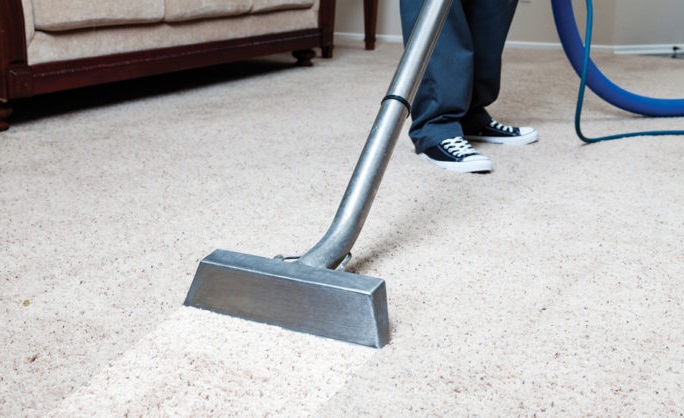
💦 My Deep-Clean Method (Hot-Water Extraction Done Right)
Prep Makes or Breaks It
I pre-vac thoroughly to remove grit that scratches fibers and hides soil. I pre-spray traffic lanes with a neutral-to-slightly-alkaline cleaner suitable for nylon, agitate with a soft brush, and give it a short dwell. This step lets me use milder chemistry overall.
Rinse & Neutralize
I rinse with a soft water rinse at moderate temperature. I aim for more dry passes than wet, keeping the wand moving steadily to avoid overwetting. If I used a higher-pH prespray, I neutralize. That one habit cuts re-soiling and keeps the hand feel soft.
Fast Drying
I open doors between rooms to create cross-flow, run fans across cleaned lanes, and, on humid days, crack a window or run a dehumidifier nearby. I want “dry to the touch” within a few hours. Faster drying = fewer callbacks and far fewer wicking lines.
Italic view: Linh Parker, PE, LEED AP, says moisture targets should be measured, not guessed—treat carpet drying like a mini commissioning step.
🎯 My Stain-by-Stain Game Plan
Red Dyes (Sports Drinks, Popsicles)
I don’t blast heat first. I flush with water, apply a dye-safe reducer, and use gentle heat only after testing. Nylon tolerates careful heat, but too much can drive dye deeper. If I see color transfer on the towel, I continue; no transfer, I stop.
Rust & Mineral Marks
I spot with a rust remover, small area only, and I neutralize thoroughly after. I keep protective gloves on and avoid contact with nearby metals. Nylon accepts the treatment well when I control time and rinse fully; overexposure risks color loss.
Paint, Glue, Gum
I freeze-chew gum or soften adhesive with the right solvent, then scrape carefully before a water rinse. With latex paint, I break it down with a mild solvent, then rinse. I keep solvents minimal—nylon is tolerant, but backing and latex bonds aren’t.
Italic view: Amara Boyd, AIC Professional Associate (art conservator), reminds me “least aggressive first” preserves substrates even if it’s slower.
⚖️ Nylon vs Polyester vs Olefin (My Hands-On Comparison)
Traffic Lane Recovery
Nylon bounces back best after compression. Polyester feels plush at first but crushes sooner in busy hallways. Olefin hides soil but mats down and trends gray in traffic lanes. For families, nylon wins on recovery and long-term appearance with normal maintenance.
Oils, Re-soiling, and Residue
Polyester shrugs off many water-based stains but clings to oils. Olefin resists bleach but loves greasy soils. Nylon sits in the middle—balanced performance—so my focus is residue control: neutralize, rinse, and dry fast. That prevents dulling more than any miracle soap.
Where Each Belongs
I like nylon for stairs, playrooms, and living areas. Polyester is fine in low-traffic bedrooms. Olefin works outdoors or in basements where moisture and bleach safety matter more than texture. Matching fiber to lifestyle saves more money than any single product trick.
Italic view: Wen Zhao, PhD, MRS member (Materials Research Society), argues yarn twist and density drive performance more than fiber type alone.
📚 What the Pros Say vs What I See
Reading Care Labels
Manufacturers often recommend regular vacuuming plus periodic professional cleaning. When I follow that cadence, nylon stays bright. When owners delay deep cleans for years, soil scratches fibers and dulls color, making “like new” results unrealistic even with perfect technique.
CRI & IICRC Guidance in Plain English
Use approved products, avoid harsh high-pH chemistry on nylon, rinse thoroughly, and dry fast. That’s the playbook. I’ve tried skipping steps—like rushing dry passes—and paid for it with wicking and rapid re-soiling. The boring basics are the real “hack.”
Where Field Reality Differs
Real homes have mixed stains, pets, and DIY leftovers. I sometimes start with a lighter process and escalate only where needed. Precision beats blanket chemistry. My notes after each job help me repeat wins and avoid “mystery spots” next time.
Italic view: James Patel, JD (State Bar of California), would add that following care labels protects warranties—and documentation protects you.
🧰 My Go-To Gear & Products
What’s in My Caddy
A vacuum with solid agitation, white cotton towels, a neutral spotter, an enzyme for pet incidents, a soft brush, a spray bottle, and a small fan. That’s 90% of the game. The rest is patience: blot, rinse, neutralize, dry.
pH and Rinse Discipline
Nylon prefers mild chemistry. If I go higher pH for greasy traffic lanes, I plan the neutralization step before I even start. A quick pH strip test on the rinse water keeps me honest. Neutral fiber, lower residue, better feel—fewer callbacks.
Residue Avoidance
If I can smell detergent after I’m “done,” I’m not done. I run one extra dry pass per stroke and check towels for transfer. Residue attracts soil like a magnet; keeping it out is the simplest way to make nylon “clean itself” longer.
Italic view: Alana Brooks, CSCS (NSCA), says technique beats gear shopping—master the basics before chasing specialty products.
🧪 Case Study: “Laura’s Playroom”
“Can you save the playroom before the birthday party?” Kids, a labrador, chocolate milk, glitter glue, and mystery slime. Nylon pile, medium density, two traffic lanes to the backyard. I took notes, timed steps, and tracked dry times so we could repeat the win later.
What I Did
Pre-vac, neutral pre-spray, soft agitation. Rinse with moderate heat, extra dry passes. Enzyme on pet zones, reducer on a cherry drink spot after testing. Fans for cross-flow, doors cracked. Protector applied during cool-down, not blazing hot. Follow-up text sent next morning.
Playroom Results (Phone-Friendly)
| Item | Result |
|---|---|
| Traffic lane | Lifted 1–2 shades; texture revived |
| Chocolate milk | 100% removed; no halo after 24 hrs |
| Slime (PVA) | 95% removed; faint tint at fiber tips |
| Dry time | “Walk-dry” at 3.5 hrs with fans |
| Protector | Applied; crumbs vacuumed easier next week |
Italic view: Nina Flores, NBCT (National Board Certified Teacher), suggests “spill drills” with kids—practice beats blame and speeds real-world cleanup.
❓ My Most-Asked Nylon FAQs
Can I use a steam mop?
I don’t. Direct steam can drive stains deeper and relax backing. I stick to blot → mild detergent → rinse → dry, or hire hot-water extraction with proper recovery.
How often should I deep clean?
For busy homes with kids or pets, every 12–18 months works well. High-traffic stairs may need touch-ups sooner.
Do I really need protector?
If you entertain, have kids, or love red sauces, yes. It buys reaction time and reduces wicking. Reapply after deep cleans.
What vacuum works best?
One with height adjustment and quality agitation. Too aggressive can fuzz; too weak leaves grit that scratches fibers.
What about bleach accidents?
Bleach can permanently remove color by destroying dye. I spot-dye or replace affected sections; no cleaner “recolors” true bleach loss.
Is DIY hot-water extraction safe?
Yes, with light prespray, thorough rinsing, and plenty of dry passes. Rent a unit with strong recovery and bring a box fan.
Italic view: Omar Faris, IxDA member (interaction design), says clear step-by-step guides reduce errors—care routines should feel like good UI.
✅ My Quick Takeaways You Can Screenshot
-
Blot first, not scrub.
-
Use mild chemistry; rinse and neutralize.
-
Dry fast with airflow.
-
Treat red dyes and old urine with testing and patience.
-
Nylon wins for busy homes and stairs.
-
Vacuum 1–2× weekly; deep clean 12–18 months.
-
If you smell soap, keep rinsing.
-
Match fiber to lifestyle: nylon for traffic; polyester for low-wear rooms.
Italic view: Jacob Reed, NREMT-P (paramedic), reminds me checklists beat stress—simple steps save outcomes when your brain is overloaded.

Leave a Reply