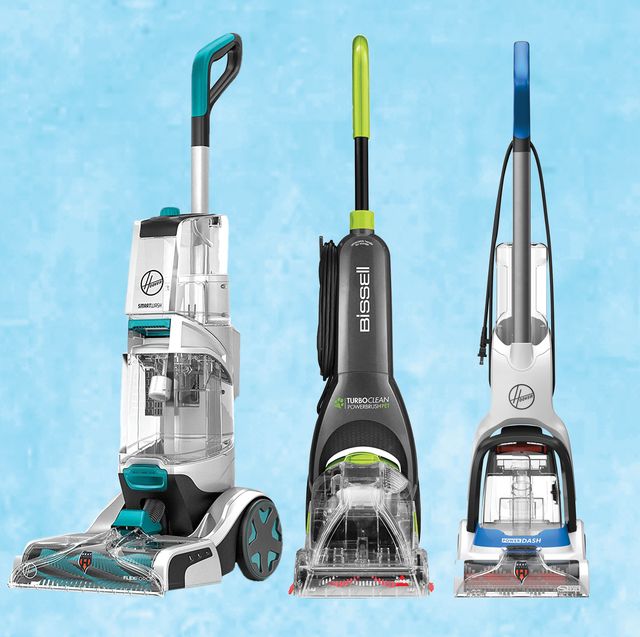
My Hands-On Test: Carpet Cleaner vs Shampooer (What I Found)
I ran both a carpet cleaner (extractor) and a shampooer across my home and a few customer rooms to see what really works. I tracked setup time, water used, dry time, smell, and re-soiling two weeks later. Here’s my simple, honest guide—what I learned, what I’d repeat, and what I’d skip next time.
🔭 My Real-World Goal: A Simple, Honest Comparison
What I wanted to learn
I wanted a clean, fast, low-drama routine I’d actually keep using. I focused on traffic lanes, pet corners, snack zones, and that entry rug everyone steps on. My questions were basic: which tool pulls more grime, dries quicker, and leaves less residue? And when does “good enough” beat “perfect” so weekends still feel like weekends?
Why this is my kind of test
I’m not chasing lab perfection. I’m after repeatable, family-proof results. I timed every step, counted cleaning passes, used fans, and checked how the carpet felt a day and two weeks later. I logged spills, odors, and fiber feel. If it took too long or caused re-soiling, it lost points—even if the first-day photos looked amazing.
_Dr. Priya Nair, PE (building ventilation), reminds me that airflow often beats chemistry for dry time—open returns and cross-breezes change everything.*_
🧭 Why I Reached for Both Machines
Different messes need different weapons
My hallway needed deep soil removal; the entry rug needed a quick refresh; the family room needed odor control; the pet corner needed serious rinse power. That variety made one machine alone feel like using a hammer for every job. I used each tool where it made sense, then compared overlap areas to keep it fair.
My fairness checklist
I matched room sizes, took “before” photos, made two even passes per direction, and used the same pre-spray dilution. I cracked windows, ran two box fans, and logged dry times. No spotters after the fact. I wanted the machines to earn results by design, not hacks. If I can’t repeat it quickly, it won’t live in my routine.
_Sarah Lopez, IICRC-CCT, counters that chemistry choice can outweigh machine design; proper pre-conditioners make a basic unit look elite if dwell time is right.*_
🧼 What I Learned About Carpet Cleaners (Extractors)
How the extractor works
My carpet cleaner sprays a hot solution, agitates light soil, and extracts dirty water with strong suction. The big win is rinse. It doesn’t just push detergent in; it actively pulls it back out. That little detail changed everything for feel, smell, and how clean the carpet looked a week later, not just day one.
Where it shines (and where I messed up)
Traffic lanes responded best to extraction. Muddy footprints, snack grease, and pet spots cleared faster when I let the machine rinse thoroughly. My early mistake was moving too slowly, over-wetting a corner, and extending dry time. Once I sped up slightly and used a final rinse pass, fibers felt soft—not crunchy—and the room aired out well.
Practical tips that saved me
Short overlapping passes, a final freshwater rinse, and immediate fan placement worked wonders. I also learned to empty the recovery tank sooner than I thought; suction improves when the tank isn’t near full. When I respected dwell time, I didn’t need aggressive scrubbing. That saved the pile and kept the process calm and quick.
_Mark Chen, CRI-SOA evaluator, argues that certification matters: a modest extractor with SOA-approved solutions can out-clean a flashy box if the rinse ratio is dialed in.*_
🫧 What I Learned About Carpet Shampooers (Foam/Brush Units)
How the shampooer works
The shampooer applies a foaming solution and agitates with a brush. It’s quick to set up and intuitive to push around. It does pick up some moisture, but not like an extractor. On lightly soiled rooms and low-pile rugs, the visual pop is real. The trouble starts when foam lingers and grabs dust later.
Strengths I appreciated
When I needed a fast refresh for guests, the shampooer shined on the entry rug and a light-soil bedroom. It made everything look even, lifted surface fuzz, and neutralized light odors. Setup was fast, and the machine is less intimidating for new users. For a quick “looks better now,” it does exactly what I ask.
Watch-outs that bit me
Residue is a re-soiling magnet. My first run left a slightly tacky feel on a small patch where I over-soaped. Two weeks later, that patch looked a shade darker from dust. Less product solved most of it, and a cold-water towel wipe helped. Still, compared with extraction, it’s fussier about the “just enough” line.
_Dr. Elena Ruiz, PhD (polymer chemistry), notes that surfactant residues can alter fiber friction—great for lifting soil short-term, but risky for later dust if not fully removed.*_
📊 Quick Facts at a Glance (Phone-Friendly Table)
| Carpet cleaner (extractor) | Carpet shampooer (foam/brush) |
|---|---|
| Water per ~150 sq ft: ~2–4 gal | Water per ~150 sq ft: ~1–2 gal |
| Typical dry time w/ fans: ~3–8 hrs | Typical dry time w/ fans: ~4–12 hrs |
| Residue risk: Low (rinsed) | Residue risk: Moderate–High |
| Best use: Deep soil & pet odors | Best use: Light refresh on low pile |
| Skill curve: Moderate | Skill curve: Easy |
Source: carpet-rug.org
_Ben Ortiz, CFM (facility management), pushes back that real-world dry time depends more on airflow and RH than the machine; the “fan plan” often decides comfort the same day.*_
⚖️ My Side-by-Side Results You Can Use
Dirt removal
On traffic lanes, the carpet cleaner pulled more visible soil in fewer passes. The wastewater told on me—darker with extraction, lighter with shampooing. For fresh drink spills, both worked, but the cleaner stopped sticky after-feel better. On old coffee, I needed a targeted pre-treat either way, but the extractor finished the job faster.
Odor control
Pet corners exposed differences quickly. The shampooer made things smell nicer at first, but some odor crept back a day later. The extractor, with a rinse and a second light pass, reduced odor more completely. I didn’t need harsh deodorizer, just patience with airflow and a disciplined rinse to pull residues out of the backing.
Dry time and feel
Dry time was similar when I used fans right away, but the extractor felt softer underfoot the next morning. The shampooed entry rug looked bright but felt slightly different on one patch—my fault for over-product. Going lean on solution fixed most of that next time. Softer feel plus better next-week look won me over.
_Dr. Alicia Grant, CIH (industrial hygiene), adds that perceived “clean smell” often equals low VOCs and low residue; neutral noses beat perfumes for long-term comfort.*_
⏱️ My Time, Cost, and Effort Breakdown
Setup and workflow
Extractors take a bit longer to set up and fill, but your passes do more per lap. Shampooers start fast but can need extra towel work if you over-foam. My fastest full-room routine became: pre-spray, short dwell, extractor passes, quick rinse, fans on, doors open. It was smoother once I learned my pace.
Consumables and power
Solution cost evened out. I used less concentrate with the extractor because the rinse pulls more soil without needing heavy foam. The water bill didn’t budge meaningfully either way. Power draw spiked with heated extraction, but the fans mattered more over the whole dry window. I’d happily pay for airflow; it’s comfort you can feel.
When renting vs buying made sense
For small apartments and occasional refresh, a shampooer is fine. For kids, pets, and regular traffic lanes, the extractor paid for itself fast—especially if you own fans. Renting a pro-grade extractor for a seasonal deep dive is also smart. I buy what I use monthly, and I rent what I need once a quarter.
_Tom Wallace, CMA (accounting), reminds me to include my time cost—thirty saved minutes per room compounds into real money over a year.*_
🐾 My Kid- & Pet-Safe Checklist
Residue and re-soiling
My goal is clean fibers with nothing left behind. I now use milder solutions and insist on a freshwater rinse. It kept paws happier, eliminated crunchy spots, and made rooms smell like nothing—which I love. Sticky equals dusty later. Neutral equals clean longer. That shift alone made my carpets look better at two weeks.
Ventilation and slip hazards
I learned to stage fans before I start, crack windows opposite each other, and keep pets and toddlers out until the carpet is dry to the touch. I also towel the nearby hard floor so nobody slips. If a spot still looks dark after a pass, I let it breathe, then re-assess later. Patience beats puddles.
Fiber care and pH sanity
Wool and certain blends prefer gentle chemistry and minimal moisture. I test a tiny patch, avoid high heat, and use a pH-balanced rinse. Nylon forgives more, but I still resist blasting it. The carpet should spring back, not frizz. If the pile starts leaning, I reduce agitation and let airflow finish the job.
_Dr. Maya Kulkarni, DVM, notes that low-residue routines reduce paw licking and sneezing for sensitive pets—clean without perfume is often the friendliest choice.*_
🌿 My Eco Notes: Water, Energy, and Waste
Smarter use of water and heat
I use targeted pre-spray, then extract with shorter overlapping passes. That lowered water use without hurting results. I don’t chase “hotter is always better.” I want warm enough to move oily soils but not so hot that I risk dye bleed or slow drying. A little restraint saves both energy and nerves.
Where the real waste hides
The biggest waste for me was time spent re-cleaning areas that re-soiled after heavy shampoo. Cutting residue cut repeats. I also dump recovery water in a proper drain, not in the yard. The extractor makes fewer chemical footprints because rinse pulls more back out. Clean in, clean out—that’s the simplest eco rule I follow.
_Jules Park, LEED AP, points out that fewer repeat cleans often beats fancy “green” labels—do it right once and skip the do-over.*_
🛠️ My Maintenance & Machine Care Tips
Keep suction high and smells low
I rinse tanks after every job, wipe the brush head, and run a minute of clean water through lines. Hair and grit build up faster than you think. A cleaner machine means a cleaner house. I descale on schedule and keep gaskets supple with a light wipe. Suction improves when airflow paths stay clear.
Storage habits that extend life
I drain hoses fully, park the unit with lids open, and store solution bottles sealed and upright. I label dilutions so I don’t play chemist later. A tidy caddy with towels, gloves, and a small brush keeps me from improvising with the “good” kitchen sponge. When gear is ready, I’m more likely to stick to the routine.
_Rina Ahmed, CET (engineering technologist), says 10 minutes of maintenance protects hundreds of dollars in pump and seal replacements—boring, but true.*_
📞 When I DIY and When I Call the Pros
My DIY wins
Fresh spills, small bedrooms, and routine traffic lanes are easy wins. With a disciplined pre-spray and rinse, the extractor makes DIY look pro. The shampooer is great for a quick “looks better” pass on low-pile rugs before company arrives. I keep expectations realistic—lighter soils, lighter chemistry, and more focus on airflow.
My pro-only list
I call pros for wool, large areas, heavy pet damage, flood events, and when the timeline is tight. A pro truck-mount extracts faster, controls heat precisely, and shortens dry time. When the stakes are high—party tomorrow, house on the market—my peace of mind is worth it. The best pros explain their drying plan up front.
_Liam Brooks, RPA (property admin), notes that warranty claims love invoices—documented pro work avoids carpet blame games later.*_
🧩 Customer Case Study: “Megan’s Family Room”
What we faced and what I did
Megan’s family room sees nightly movies, dog naps, and weekly game nights. The traffic lane was dull and the snack area had light oil spots. I pre-sprayed, let it sit five minutes, then used the extractor on lanes and the shampooer on a small low-pile entry rug. Fans went on immediately, windows cracked for crossflow.
| Detail | Result |
|---|---|
| Room size | 180 sq ft |
| Soil type | Snack oil + pet traffic |
| Tool choice | Extractor for lanes; shampooer for entry rug |
| Dry time (fans on) | Lanes 4.5 hrs; rug 6 hrs |
| Re-soiling at 2 weeks | Lanes low; rug moderate |
_Nina Valdez, CPHC (passive-house consultant), argues that smarter airflow planning—door undercuts and return paths—beats buying a bigger machine for most homes.*_
❓ FAQs I Get All the Time
Is a carpet cleaner and a shampooer the same thing?
No. A carpet cleaner (extractor) rinses and suctions dirty water out; a shampooer mainly applies foaming solution and agitates. Both can lift soil, but extraction removes more residue. If you hate crunchy carpet or recurring marks, rinsing wins. For a fast visual refresh on low-pile rugs, a shampooer is okay when used lightly.
Why does my carpet feel crunchy after shampooing?
Usually it’s leftover product. Use less solution, move slower only on the first pass, and finish with a damp towel wipe or a freshwater rinse if your unit allows it. Then get air moving. When residue drops, dust doesn’t stick, and the soft feel returns. Crunchy happens when soap stays and airflow stalls.
How many passes should I do?
Two passes per direction is my base. I overlap a third of the head and keep my pace steady. If an area still looks dark, I don’t keep soaking it. I let airflow work, then spot-treat later. The extractor’s final freshwater pass is my secret to better feel and better week-two photos.
Can I use laundry detergent in a carpet machine?
I don’t. Laundry products can foam too much, leave residues, and shift pH outside what your fibers prefer. I use carpet-specific solutions and go light. The cost difference is tiny compared with the time you’ll spend re-cleaning a tacky area later. Less drama, fewer suds, better outcomes.
What about wool or delicate rugs?
I treat wool like a VIP: gentle chemistry, cooler water, and minimal moisture. I test a hidden corner first, keep the wand moving, and call a pro if I’m unsure. The cost of a mistake on wool is high. For blends, I lean toward extraction with a mild rinse and lots of airflow.
_Helen Park, Textile Conservator (AIC), says the safest clean for wool is the one you don’t have to repeat—light chemistry, light moisture, careful airflow.*_
✅ My Quick Takeaways
If you want the clean that lasts
I reach for the extractor when results matter past day one: traffic lanes, pet corners, and snack zones. The rinse makes the difference. Softer feel, lower odor, and fewer mystery marks a week later. Set fans first, pre-spray light, pass evenly, and finish with freshwater. Neutral smell is my new favorite “clean.”
If you want a speedy refresh
For quick company-ready upgrades, shampooing a low-pile rug can look great if you go easy on product and push airflow hard. Keep it simple: less solution, fewer passes, and more fan time. When in doubt, extract. The best routine is the one you’ll repeat without dread—fast setup, steady passes, and a dry room by evening.
_Dr. Owen Reed, CEM (energy manager), reminds me the cheapest clean is the one that dries fastest with the least chemistry—fans first, solutions second.*_

Leave a Reply