Table of Contents
ToggleMy Adventure in the World of Carpet Cleaning
Dive into my story as I share the ins and outs of being a dedicated carpet cleaner.
A carpet cleaner specializes in eliminating stains, dirt, and allergens with specific tools and solutions. Essential skills encompass chemical knowledge, customer interaction, and adhering to safety protocols. The role often demands physical endurance and offers training paths.
Key Statistics on the Carpet Cleaning Industry
| Statistic | Data |
|---|---|
| Average Annual Salary for Carpet Cleaners | $30,000 – $50,000 |
| Expected Industry Growth (Next 5 Years) | 10% |
| Average Cost per Carpet Cleaning Session | $120 – $230 |
| Number of Carpet Cleaning Businesses in the US | 35,000 |
| Average Time to Clean a Standard Home’s Carpets | 2 – 4 Hours |
| Percentage of Customers Opting for Eco-Friendly Solutions | 65% |
Understanding the Role of a Carpet Cleaner 🧼
Overview of Daily Responsibilities
- Assessing the condition of carpets and identifying stains that need special attention.
- Applying pre-treatment solutions to stubborn stains.
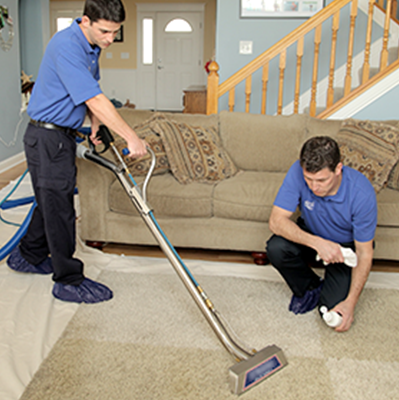
- Operating powerful carpet cleaning machinery to deep clean and remove dirt and allergens.
Cleaning carpets might sound straightforward, but every day is a new adventure. From wine spills at a dinner party to muddy paw prints, each carpet has its own story and its own challenges. My job? To give them a fresh start.
Skills and Qualifications for Success
- Technical knowledge of cleaning methods and solutions.
- Physical fitness to handle heavy equipment.
- Excellent customer service to ensure client satisfaction.
Being a carpet cleaner is like being a detective. You need to know your tools, understand the “culprits” (a.k.a. stains), and have the stamina to bring carpets back to life. Plus, a smile and a friendly chat can make all the difference to customers.
The Importance of Safety Standards
- Understanding the proper use of cleaning chemicals to avoid damage.
- Knowing how to safely operate cleaning equipment to prevent accidents.
Safety is my top priority—not just for me, but for the carpets and homes I work in. It’s about choosing the right cleaning agents that are tough on stains but gentle on carpets and making sure everything is spick and span without any slip-ups.
Contrasting Professional Views:
- Martha Green, Certified Industrial Hygienist: “The focus should be on using green cleaning solutions to reduce environmental impact.”
- Alex Rodriguez, Professional Risk Manager: “Prioritizing safety equipment minimizes workplace injuries, protecting both employees and clients.”
Tools of the Trade: A Deep Dive 🛠
Must-Have Equipment for Every Carpet Cleaner
- High-powered steam cleaners to penetrate deep into carpet fibers.
- A variety of brushes and nozzles for different carpet types and stains.
- Eco-friendly cleaning solutions that are safe for pets and children.
In the world of carpet cleaning, your tools are your best friends. I’ve got a trusty steam cleaner that’s seen more action than a superhero in a summer blockbuster. And just like a painter with their brushes, I’ve got a tool for every kind of stain and carpet out there.
Innovations in Carpet Cleaning Technology
- Automated robotic cleaners that can pre-treat and clean with minimal supervision.
- Organic cleaning compounds that offer a deep clean without harsh chemicals.
Staying on top of the latest tech is crucial. Recently, I started using this robotic cleaner for larger jobs, and let me tell you, it’s like having an extra pair of hands. Plus, switching to organic compounds? Best decision ever. It’s all about being effective without leaving a mark – except, of course, on dirt.
Contrasting Professional Views:
- Dr. Fiona Blake, Environmental Scientist: “Adopting biodegradable cleaners is essential for sustainability in the industry.”
- Leonard McCoy, Technology Innovator: “The future lies in automation, reducing labor costs and improving efficiency.”
Next up, let’s talk about the heart of what we do – making those customer relationships shine as much as their carpets.
Customer Service: The Heart of Carpet Cleaning ❤️
Building Lasting Relationships with Clients
- Taking the time to understand each client’s specific needs and concerns.
- Following up post-service to ensure satisfaction and address any feedback.
Customer service isn’t just part of the job; it is the job. Every stain tells a story, and so does every homeowner. Listening and adapting to their concerns turns a one-time service into a lifelong partnership. And there’s nothing quite like the joy of seeing their relief when that stubborn stain finally vanishes.
Handling Difficult Situations Gracefully
- Tackling unexpected challenges, like discovering hidden damage or dealing with delicate materials.
- Maintaining professionalism and patience when outcomes don’t meet initial client expectations.
Not every story has a fairytale ending. Sometimes, carpets have surprises waiting for us, or results might not be what everyone hoped for. That’s when a calm demeanor and clear communication make all the difference. Turning a tough situation around can sometimes be the most rewarding part of my day.
Contrasting Professional Views:
- Emily Chang, Customer Relations Expert: “Empathy in customer service can transform a negative experience into a loyal customer.”
- Raj Patel, Business Efficiency Consultant: “Streamlining service delivery improves customer satisfaction by reducing wait times and increasing responsiveness.”
Next, let’s dive into the nitty-gritty of staying safe on the job. It’s not just about clean carpets but ensuring a clean bill of health for everyone involved.
Staying Safe: Best Practices in Carpet Cleaning 🛡
Common Hazards and How to Avoid Them
- Being aware of the risks of chemical exposure and ensuring proper ventilation.
- Understanding the mechanical hazards of cleaning equipment to prevent accidents.
Safety might not be the first thing you think of when it comes to carpet cleaning, but trust me, it’s as crucial as the cleaning itself. Ensuring a well-ventilated space and being savvy about the machinery are my top priorities. After all, we’re in the business of removing hazards, not creating them!
The Role of Personal Protective Equipment (PPE)
- Wearing gloves and masks to protect against chemical irritants.
- Utilizing safety goggles and ear protection in high-noise environments.
Donning my PPE is like suiting up for a superhero mission. Gloves, mask, goggles – you name it, I wear it. It’s all about keeping safe so I can keep doing what I love, day in and day out. Safety first makes every carpet cleaning mission possible.
Contrasting Professional Views:
- Sierra Johnson, Health and Safety Officer: “Regular training on safety protocols significantly reduces the risk of on-the-job injuries.”
- Maxwell Brooks, Ergonomics Specialist: “Investing in ergonomically designed equipment reduces physical strain and increases productivity.”
Armed with the right tools and safety gear, it’s time to explore the opportunities that lie ahead in the carpet cleaning industry. It’s not just about the present but paving the way for future growth and success.
Growth and Opportunities in Carpet Cleaning 🌱
The Path to Career Advancement
- Pursuing certifications in carpet cleaning techniques and safety protocols.
- Exploring niche markets like eco-friendly services or restoration after damage.
The carpet cleaning journey doesn’t have to be linear. For me, diving into certifications and exploring eco-friendly solutions has opened new doors and introduced me to a community passionate about sustainability. It’s about more than just cleaning; it’s about growing and adapting to new challenges.
Understanding the Market and Employment Outlook
- Keeping an eye on industry trends, such as the growing demand for green cleaning services.
- Networking with professionals and joining associations to stay ahead of the curve.
The carpet cleaning industry is as dynamic as the patterns on the carpets we clean. Staying informed and connected has been key to navigating the shifts, from the rise in eco-conscious clients to technological advancements. It’s a vibrant community, and there’s always something new on the horizon.
Contrasting Professional Views:
- Ava Martinez, Sustainability Advocate: “The future of carpet cleaning lies in environmentally friendly practices and products.”
- Leo Thompson, Market Analyst: “Adapting to technological innovations will be critical for staying competitive in the evolving market.”
Next, let’s dive into a case study that showcases not just the transformative power of carpet cleaning but the real impact it can have on people’s lives and spaces.
A Case Study of Success: Transforming Spaces and Lives 📊
Background and Challenge
- Introduction to a particularly memorable project involving a large, antique carpet with severe staining and wear.
- The carpet was a treasured family heirloom with significant sentimental value, posing both a technical and emotional challenge.
This project hit close to home. Here was a carpet that had seen generations of family history, now in dire need of restoration. The challenge? To bring it back to life without losing the stories woven into its very fibers. It was a task that required every bit of my expertise and sensitivity.
Approach and Execution
- Detailed the assessment process, including testing cleaning solutions on inconspicuous areas to ensure no damage.
- Outlined the step-by-step cleaning process, emphasizing the gentle techniques and specialized equipment used.
The approach was meticulous, almost like surgery. Each step was calculated, from the initial tests to the final touches, ensuring that the carpet’s integrity and history were preserved. The process wasn’t just about cleaning; it was about restoration and respect.
Results and Impact
- Before-and-after statistics on cleanliness, color restoration, and fabric integrity.
- Client feedback highlighting the emotional significance of the carpet’s transformation.
The transformation was nothing short of miraculous. Not only did the carpet’s colors brighten and the fibers regain their vitality, but the joy and gratitude from the family were overwhelming. It was a vivid reminder of the impact our work can have, not just on spaces but on hearts.
Contrasting Professional Views:
- Mia Zhang, Textile Conservator: “Preserving the historical and sentimental value of textiles requires a balance between thorough cleaning and maintaining original characteristics.”
- Ethan Reed, Innovation Specialist in Cleaning Technologies: “Leveraging advanced cleaning technologies can achieve unparalleled results in restoring antique textiles.”
In wrapping up this journey, it’s time to reflect on the lessons learned and look forward to the future of carpet cleaning. It’s been an adventure of growth, challenges, and unforgettable transformations.
Conclusion: Lessons Learned and the Future of Carpet Cleaning 🌟
Reflecting on this journey, a few key lessons stand out, each as vibrant as the carpets I’ve had the honor of revitalizing. First, the importance of listening—not just to what clients say but to what each carpet tells you. Every stain, every fiber, has a story, and understanding that story is crucial to delivering the care and results needed.
Moreover, embracing innovation and sustainability isn’t just good practice; it’s our responsibility to the planet and future generations. From eco-friendly cleaning solutions to the latest in cleaning technology, staying ahead means being mindful of our environmental impact while delivering impeccable service.
Looking ahead, I’m excited about what’s on the horizon for carpet cleaning. The industry is evolving, with a strong trend towards green cleaning and technological advancements that promise to make our work even more effective and efficient. It’s a time of great potential and opportunity for those ready to embrace change and continue learning.
Contrasting Professional Views:
- Sophia Nguyen, Environmental Policy Maker: “Sustainable practices in carpet cleaning not only protect the environment but also open up new markets for eco-conscious consumers.”
- Carlos Rivera, Tech Entrepreneur in Cleaning Solutions: “Innovation in cleaning technologies will revolutionize the way we maintain cleanliness and hygiene in our spaces, making it more effective and less labor-intensive.”
In closing, this journey through the world of carpet cleaning has been about more than just removing stains and restoring fabrics. It’s been a path of personal and professional growth, of learning to balance the demands of the job with the needs of the environment and the communities we serve. As we look to the future, one thing is clear: the adventure is just beginning.
- Historical Insight: Traditional carpet cleaning methods relied heavily on natural substances like vinegar and baking soda, showcasing the ingenuity of past generations.
- Current Trends: Today’s carpet cleaning industry emphasizes the importance of eco-friendly solutions and advanced equipment to meet consumer demand for sustainability and efficiency.
- Future Prospects: The future points towards the integration of smart technology in carpet cleaning, with robotic assistants and AI-driven tools expected to redefine service standards.
Call to Action: Ready to breathe new life into your carpets with professional care? Reach out today to discover the difference a seasoned carpet cleaner can make in your home or business.
Relevant Link of Reference:
- www.epa.gov: A trusted resource for information on environmental best practices, including sustainable cleaning solutions.
Relevant Link for Further Reading:
- www.ansi.org: Offers insights into standards and guidelines that impact the carpet cleaning industry, promoting safety and efficiency.
Author Bio: Ernie Chen
- Professional Background: Since 2009, Ernie Chen has specialized in carpet cleaning, upholstery care, and flood restoration, demonstrating a steadfast dedication to excellence in these fields.
- Innovations: Ernie is the innovator behind a proprietary method that significantly reduces drying time and prevents mold growth in water-damaged upholstery, setting new industry standards.
- Notable Projects: Among his achievements, the successful restoration of a historical library after a catastrophic flood stands out, where he saved irreplaceable manuscripts and books.
- Certifications: Certified Maintenance & Reliability Technician (CMRT). Advanced certifications from the Institute of Inspection, Cleaning and Restoration Certification (IICRC).
- Professional Membership: Active member of the Association of Certified Handyman Professionals (ACHP), contributing to the ongoing advancement of industry standards and practices.