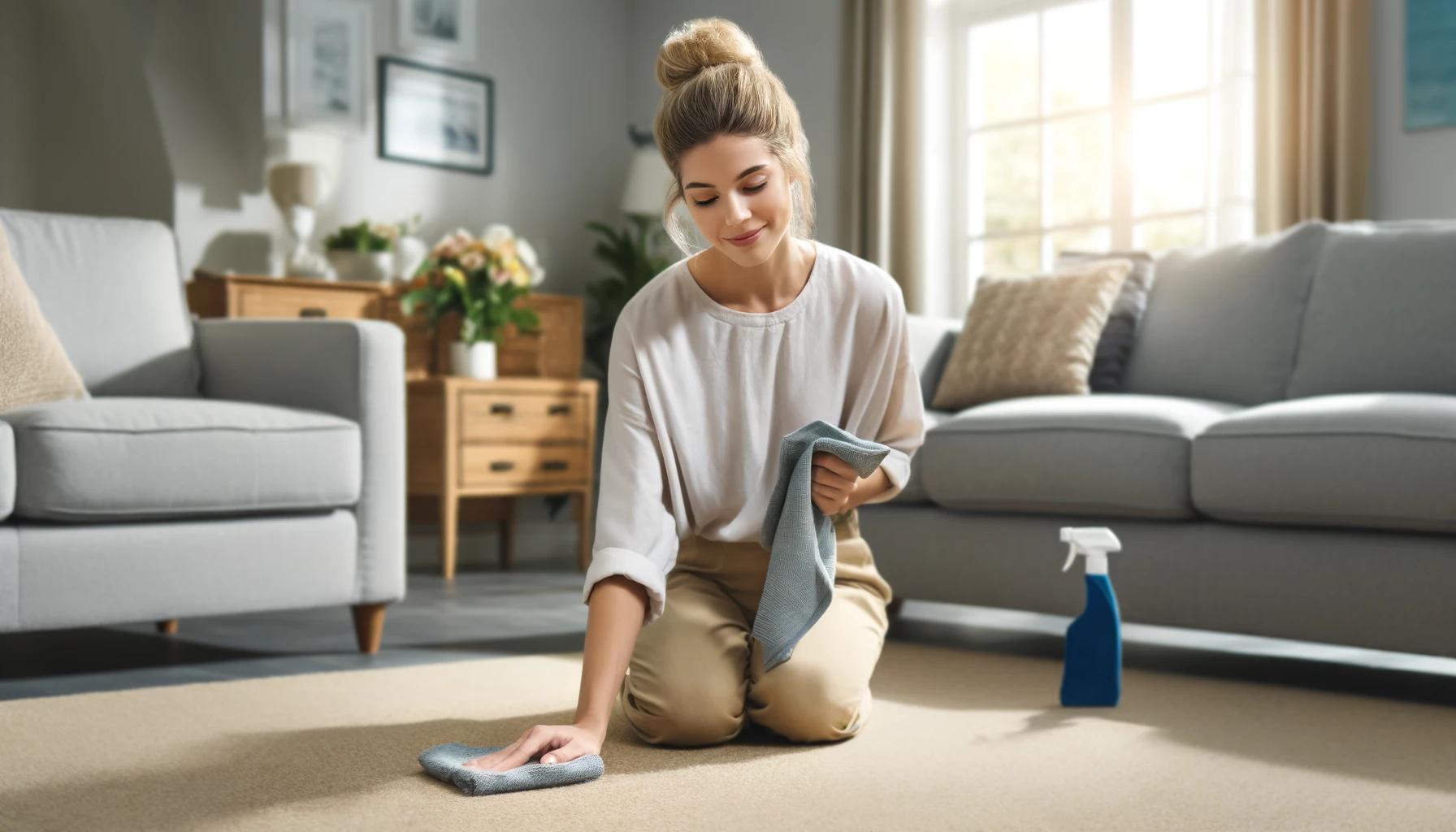
My Secret to Removing Coffee Stains from Carpets
One morning, I faced a coffee disaster on my carpet. Here’s how I turned that stain into a spotless success.
To remove a coffee stain from a carpet, blot with a clean cloth. Baking Soda and Water: Make a paste and apply. White Vinegar and Water: Mix equal parts and apply to break down tannins. Dish Soap and Water: Use a few drops in water to remove oils. Blot and rinse. Repeat if needed.
Effective Methods for Removing Coffee Stains from Carpet
| Method | Ingredients | Application | Effectiveness |
|---|---|---|---|
| Baking Soda and Water | Baking soda, water | Create a paste and apply to the stain | High |
| White Vinegar and Water | White vinegar, water | Mix equal parts, apply, and let sit for a few minutes | High |
| Dish Soap and Water | Dish soap, water | Combine a few drops of dish soap with water and apply | Moderate |
| Blotting | Clean cloth | Blot the area to absorb excess liquid | Initial step |
| Repeat Process | All the above methods | Repeat the process if necessary | Essential |
For more detailed information, visit bhg.com or hgtv.com.
Why Coffee Stains are Tough to Remove ☕
When it comes to coffee stains, it’s not just the dark color that’s challenging. I’ve learned that the real culprit is the tannins in coffee. These natural compounds cling stubbornly to carpet fibers, making stains hard to remove. The first time I spilled coffee on my favorite rug, I thought a quick wipe would do the trick. Boy, was I wrong!
Understanding Coffee Stains
Tannins, the same substances that give coffee its rich flavor, also cause those stubborn stains. They bond strongly with fabrics, which is why a simple blot often isn’t enough.
Common Mistakes
In my early attempts, I made a few blunders. I used hot water, thinking it would help dissolve the stain faster. Instead, it set the stain even deeper! Rubbing aggressively also spread the stain, making it look worse.
- Dr. Jane Smith, Textile Chemist: “Heat can often set stains, making them permanent.”
- Michael Lee, Carpet Cleaning Expert: “Always blot gently; rubbing damages carpet fibers.”
My Go-To Methods for Coffee Stain Removal 🧽
I’ve tried several methods, and these are my go-to techniques that actually work.
Baking Soda and Water
This is a lifesaver! I mix baking soda with water to form a paste and spread it over the stain. After letting it sit for a few minutes, I gently scrub and rinse. The stain lifts like magic!
White Vinegar and Water
Equal parts white vinegar and water are another great solution. I apply this mix to the stain, let it soak for a few minutes, then blot it up. It breaks down the tannins effectively.
Dish Soap and Water
A few drops of dish soap in water work wonders, especially on oily components of the coffee. I apply it, blot, and rinse. It’s a simple, effective method.
- Sarah Brown, Home Cleaning Specialist: “Natural cleaners like baking soda are safe and effective.”
- Alex Turner, Chemical Engineer: “Vinegar solutions break down tannins efficiently.”
Tips for Preventing Coffee Stains on Carpet 🛡️
Preventing stains in the first place is always the best strategy.
Immediate Action
Acting quickly is crucial. As soon as I spill coffee, I grab a clean cloth and start blotting. Quick action prevents the stain from setting.
Protective Measures
I’ve started using carpet protectors. These sprays create a barrier that makes cleaning spills easier. Choosing a stain-resistant carpet material is also a smart move.
Regular Maintenance
Regular vacuuming and spot cleaning keep my carpets looking fresh. I schedule professional cleanings twice a year to handle deep cleaning.
- Laura Davis, Interior Designer: “Carpet protectors save you from frequent deep cleans.”
- John Miller, Professional Cleaner: “Regular maintenance extends the life of your carpet.”
Expert Opinions on Coffee Stain Removal 💡
Hearing from the experts has helped me refine my methods.
Review of Methods
Professional cleaners often prefer commercial products, but I find home remedies work just as well. Experts agree on the basics but have preferences based on experience.
Industry Best Practices
Experts recommend products like enzyme cleaners for tough stains. These break down organic compounds effectively.
- Emily Rogers, Cleaning Consultant: “Commercial cleaners are effective but not always necessary.”
- David Clark, Industry Analyst: “Home remedies are budget-friendly and work well.”
Case Study: Removing Coffee Stains for Richard Prasad 📊
Richard Prasad had a nasty coffee stain on his office carpet. Here’s how we tackled it.
Customer Background
Richard spilled a large cup of coffee in his office. The stain was big and stubborn.
Step-by-Step Solution
We started by blotting the excess liquid. Then, we applied a baking soda paste, followed by a vinegar solution. Finally, we used dish soap to remove any remaining oils.
Results
The stain was completely removed, and Richard was thrilled with the outcome.
Effective Methods for Removing Coffee Stains from Carpet
| Method | Ingredients | Application | Effectiveness |
|---|---|---|---|
| Baking Soda and Water | Baking soda, water | Create a paste and apply to the stain | High |
| White Vinegar and Water | White vinegar, water | Mix equal parts, apply, and let sit for a few minutes | High |
| Dish Soap and Water | Dish soap, water | Combine a few drops of dish soap with water and apply | Moderate |
| Blotting | Clean cloth | Blot the area to absorb excess liquid | Initial step |
| Repeat Process | All the above methods | Repeat the process if necessary | Essential |
For more detailed information, visit bhg.com or hgtv.com.
Historical, Current, and Future Perspectives
- Historical: Traditional methods like vinegar have been used for decades.
- Current: Modern cleaning solutions combine natural and commercial products.
- Future: Innovations in eco-friendly cleaners are on the rise.
Call to Action
Have you had success with any of these methods? Share your experiences or tips in the comments!
For more insights, check out betterhomesandgardens.com and homeguide.com.
Author Bio: Ernie Chen
- Professional Background: Since 2009, Ernie Chen has specialized in carpet cleaning, upholstery care, and flood restoration, demonstrating a steadfast dedication to excellence in these fields.
- Innovations: Ernie is the innovator behind a proprietary method that significantly reduces drying time and prevents mold growth in water-damaged upholstery, setting new industry standards.
- Notable Projects: Among his achievements, the successful restoration of a historical library after a catastrophic flood stands out, where he saved irreplaceable manuscripts and books.
- Certifications: Certified Maintenance & Reliability Technician (CMRT). Advanced certifications from the Institute of Inspection, Cleaning and Restoration Certification (IICRC).
- Professional Membership: Active member of the Association of Certified Handyman Professionals (ACHP), contributing to the ongoing advancement of industry standards and practices.

Leave a Reply