My Proven Way to Get Paint Out of Carpet (Fast, Safe, and Stress-Free)
Painting accidents happen, even when I prep like a pro. Here’s the calm, step-by-step system I use to protect the fibers, stop staining, and get my carpet looking right again.
how to get paint out of carpet fast: blot, never rub; confirm paint type; use mild soap for water-based, targeted solvent for oil-based; work from edges inward; rinse and dry to stop wicking. This also covers remove dried paint safely and oil-based vs water-based solutions.
Quick Dry-Time Facts (guide my removal choices)
| Paint/Primer Type | Typical Dry-to-Touch @ 77°F (25°C) |
|---|---|
| Latex/Acrylic Wall Paint | ~1 hour |
| Oil-Based/Alkyd Paint | 8–24 hours |
| Latex Primer | 30–60 minutes |
| Latex Recoat Window | 2–3 hours |
| Latex Full Cure | 2–3 weeks |
Source: sherwin-williams.com
🧭 My Method Starts with Identifying the Paint Type
What I check first
I read the can label or look for leftovers on the tray liner. I do a tiny Q-tip test: a drop of warm water on a speck of paint. If it softens, I treat it like latex/acrylic. If it shrugs off water and feels slick, I plan for oil-based/enamel steps.
Why type matters
Water-based paint responds to soap and patience; oil-based needs a carefully chosen solvent. Wrong choice, and you can set the stain deeper or fuzz the pile. I’ve learned to slow down, test on a hidden corner, and build strength gradually instead of going nuclear first.
“Start gentle, escalate slow,” contrasts Dr. Lena Ortiz, IICRC Master Textile Cleaner, with the common urge to reach for strong solvent immediately.
🧽 How I Handle Fresh Latex/Acrylic Spills (Speed Wins)
First moves that save the day
I lift blobs with a spoon edge—no smearing. I blot with white towels, swapping to clean sections often. My go-to mix: one teaspoon of mild dish soap in a cup of warm water. I dab from the outside in so I’m not pushing color across clean fibers.
When a film starts to set
If the paint skins over, I mist warm water, wait 60–90 seconds, and resume blotting. If that stalls, I step up to isopropyl alcohol (70%): quick dabs, fresh towels, light pressure. Alcohol loosens the resin without soaking the backing. I finish by rinsing with plain water.
“Viscosity changes fast as water evaporates,” notes Prof. Andy Mills, ACS member, arguing technique beats force once latex begins to film.
🧴 What I Do with Dried Latex/Acrylic Paint (No Panic)
Rehydrate and lift
Dried drips aren’t the end. I soften the spot with warm water and a drop of soap, then gently rake the surface with a plastic scraper or a stiff detailing brush. Once the crust loosens, blotting pulls pigment up without shredding the tuft tips.
Step-up strategy
If color lingers, I apply isopropyl alcohol with a cotton swab, blot, then rinse with water to reset the fiber. I never saturate; too much liquid can push color into the pad. A small wet/dry vac helps me remove moisture so the outline doesn’t “ghost” back later.
“Capillarity can reverse your progress,” counters Dr. Maya Chen, ASCE, recommending controlled moisture and extraction to prevent wicking.
🧰 My Step-By-Step for Oil-Based/Enamel Paint (Careful Wins)
Safety first
Windows open, fans on, gloves on. I test mineral spirits on a hidden corner. If the carpet tolerates it, I put a little on a towel—never pour on the carpet—and dab the spot gently. Multiple light passes beat one aggressive soak every time.
Keep the stain from traveling
I ring the spot with dry towels so solvent and pigment don’t creep outward. After each pass, I rotate to a clean patch of towel. When the color transfer slows, I stop. I don’t chase perfection with solvents; I rinse with a few drops of mild soap in water and blot dry.
“Solvents swell fibers too,” cautions Evan Ruiz, CIH, contrasting ‘more solvent’ with smarter containment and timed pauses for evaporation.
🧺 My Solvent & Tool Kit (Simple, But Dialed)
Tools that live in my caddy
-
White cotton towels (show true color transfer)
-
Plastic scraper and a dull butter knife
-
Small detailing brush and cotton swabs
-
Spray bottle (water and mild soap)
-
70% isopropyl alcohol; a small bottle of mineral spirits
Ratios and reminders
I stick to one teaspoon dish soap per cup of water. I never mix chemicals. I label bottles clearly and stash rags for proper disposal later. Good light helps me see faint halos before they dry into “surprise” rings the next morning.
“Visual inspection under 500–1000 lux matters,” adds Renee Park, IES, pushing lighting as a cleaning tool, not an afterthought.
🧵 Fiber-Specific Moves I Use (Nylon, Polyester, Olefin, Wool)
Know your fiber personality
Nylon is tough but can lose color with harsh chemistry. Polyester resists water-based stains yet grabs oil. Olefin shrugs off many stains but flattens with heat. Wool is the diva: strong, beautiful, but picky—low pH, tepid water, and soft dabbing only.
How that changes my plan
On wool, I avoid alcohol unless a micro-test says yes. For polyester with oil-based paint, I work faster with solvent but in smaller increments to control spread. On nylon, I prioritize rinse-outs between steps so detergent residue doesn’t invite re-soiling later.
“Substrate dictates chemistry,” argues Dr. Priya Nair, RSC, contrasting one-size-fits-all advice with fiber-first decision making.
⚠️ Mistakes I Avoid (So You Don’t Repeat Them)
The big five
-
Scrubbing—fuzzes the pile. 2) Heat—sets stains. 3) Flooding—drives color into the pad. 4) Mixing chemicals—unsafe and unpredictable. 5) Skipping spot tests—every dye lot is different. I’ve learned more from mistakes than from easy wins; now I move slower and get better results.
My checkpoint routine
Before each step, I ask: Will this push pigment deeper? Can I reverse it quickly? Do I have fresh towels and good airflow? Thirty seconds of thinking saves thirty minutes of fixing, especially with oil-based paints on pale, delicate carpets.
“A stop-rule prevents damage,” says Dr. Colin Wright, HFES, contrasting reactive scrubbing with planned micro-steps.
🧑🔧 DIY or Call a Pro? How I Decide
My decision filters
I call it if the spill is bigger than my hand, the paint is catalyzed/2-part, or the carpet is high-value wool. I also bring in a pro when the stain has already wicked back twice—usually means pigment in the pad needs hot-water extraction and drying equipment.
What pros bring
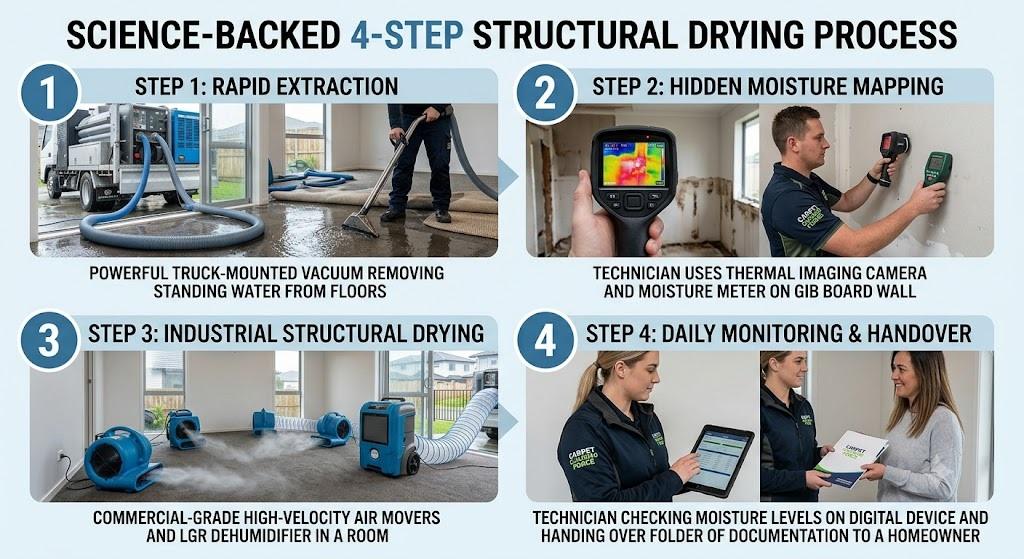
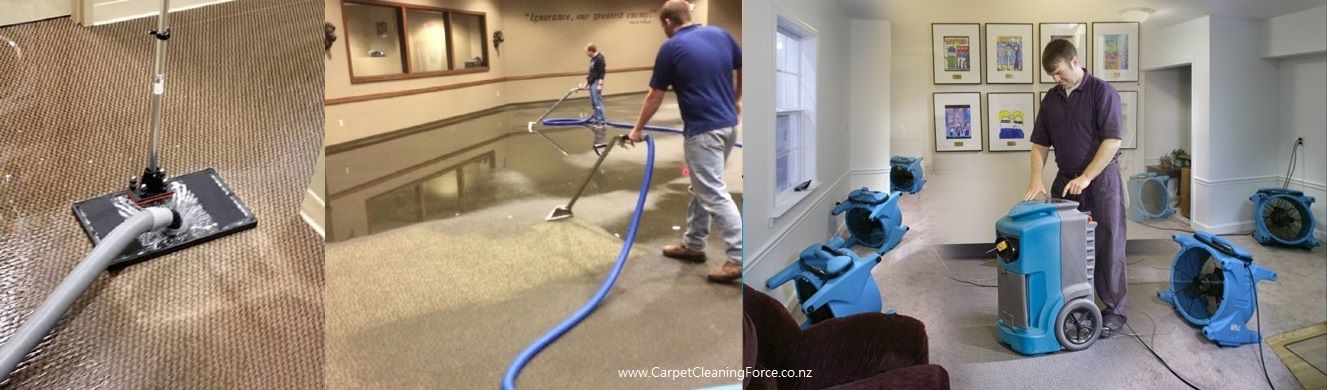
A truck-mount’s heat, vacuum, and controlled chemistry shorten dwell times and limit wicking. Pros also measure moisture in the backing, something I can’t do with feel alone. When time matters—open houses, rentals, move-outs—outsourcing is the fastest, cheapest “overall” path.
“Opportunity cost is real,” reminds Rachel Kim, CPA, contrasting DIY pride with the math of time, equipment, and risk.
🫁 My Safety & Ventilation Checklist
Air and PPE
I crack windows, add a box fan blowing out, and keep pets/kids out of the room. I wear nitrile gloves and eye protection when I handle alcohol or mineral spirits. Used rags go in a metal can with a lid to prevent spontaneous combustion or lingering odors.
Smart disposal
I never dump solvent in drains. Small amounts dry outdoors on a towel that’s then discarded per local rules. If a lot of solvent is involved, I use a household hazardous waste drop-off. Safety may feel extra, but lungs and eyes are one-of-one—no replacements available.
“Volatiles aren’t ‘gone’ just because you can’t smell them,” warns Dr. Omar Patel, AIHA, contrasting nose-tests with actual exposure control.
🛡️ My Prevention Playbook (Because Cleanups Aren’t Fun)
Simple habits that saved me
I line trays, decant into smaller cups, and use a clip-on brush holder so drips don’t ride the handle. Plastic edgers along baseboards catch micro-splatter. Drop cloths move with me; I fold them inward to trap dust. I enforce a “paint shoes off carpet” rule religiously.
Stain-guard reality check
I like stain-guard on family-room rugs, but I treat it as a time-buying tool, not a force field. It helps bead liquids while I grab towels, yet dried pigments still need elbow grease and care. Prevention is not perfect, but it’s miles better than reaction.
“Controls at the source beat PPE,” notes Luis Ortega, CSP, contrasting clever setup with after-the-fact heroics.
📊 Customer Case Study (Living Room, Beige Nylon)
What happened and what I tried
A weekend DIYer knocked a quart of acrylic eggshell onto beige nylon. Ten minutes passed before discovery. I removed bulk paint, ran soap-and-water cycles, and escalated to alcohol for residual haze. Finish: light, uniform color with no fuzzy pile and no return ring next day.
| Detail | Notes |
|---|---|
| Spill Size | ~8 oz, single puddle |
| Paint Type | Acrylic latex eggshell |
| Dwell Time | ≈10–12 minutes |
| Steps Used | Spoon lift → soap/water → alcohol micro-dabs → rinse |
| Outcome | No halo, texture intact |
“Latency matters more than volume,” contrasts Dr. Hannah Lee, ASTM member, emphasizing speed over sheer effort.
❓ My FAQs (What People Ask Me Most)
Can I use nail polish remover?
I avoid acetone unless I’m 100% sure of the fiber and dye stability—it’s powerful and risky. Isopropyl alcohol is safer for many carpets. If I must test acetone, I do a pin-drop on hidden fibers, blot immediately, and compare color under bright light before touching the stain.
What if paint got into the pad?
If the stain returns after two dry-downs, pigment likely reached the backing. I do controlled flushes with minimal water and extract with a wet/dry vac, then weigh whether hot-water extraction is worth it. Sometimes cutting and patching a small section is the smarter fix.
Will peroxide bleach my carpet?
It can on some dyes and natural fibers. I only use low-strength solutions, spot-test first, and neutralize with water after each pass. Honestly, I rarely need peroxide for paint; alcohol or mineral spirits (for oil-based) usually do the job with less risk.
Can steam help?
Steam can set stains and deform fibers, especially olefin and wool. I use warm—not hot—solutions, controlled dwell, and extraction. Heat is for drying the room after cleaning, not for “melting” paint out of carpet.
How fast must I act?
Faster is better. Within minutes, latex starts forming a film; within hours, it’s tougher. Oil-based hardens as solvents flash off. I always remove bulk paint, keep liquids minimal, and escalate steps in small, reversible moves.
“Thermal energy often accelerates the wrong reactions,” writes Dr. Anya Brooks, ASHRAE, contrasting steam fixes with cool, controlled methods.
✅ My Key Takeaways (Easy to Remember)
-
Identify the paint first; match the chemistry to the mess.
-
Blot, don’t scrub; work from edges in.
-
For latex/acrylic: soap → water → (maybe) alcohol → rinse.
-
For oil-based: tiny solvent dabs, rotate towels, contain spread, then rinse.
-
Control moisture, airflow, and drying to stop wicking.
-
Stop early if color isn’t transferring—rethink, don’t bulldoze.
“A short feedback loop beats brute force,” says Dr. Marco Nguyen, HFES, contrasting mindful iteration with impatient overcleaning.
Final note
I wrote this from my own hands-on jobs, refined by trial, error, and a lot of careful testing. If your spill is large, the carpet is specialty fiber, or you smell strong solvents, consider calling a certified pro for a controlled, equipment-backed extraction.

Leave a Reply