My Hot-Weather Dehumidifier Game Plan (How I Stay Cool, Dry, and Sane)
It gets muggy fast where I live, so I learned to run my dehumidifier smart when heat spikes.
When heat rises, indoor humidity climbs, making rooms feel warmer and sticky. Using a dehumidifier in hot weather lowers moisture, supports air conditioner efficiency, and helps prevent mold growth. Aim for 45–55% RH when temperatures are high to boost comfort, protect materials, and reduce allergens.
Quick Hot-Weather Dehumidifier Stats (at a glance)
| Metric | Practical Target/Note |
|---|---|
| Comfortable RH in heat | 45–55% RH |
| AC efficiency bump | Feels ~2–3°F cooler at same temp |
| Mold risk threshold | >60% RH for 24–48 hrs |
| Room sizing rule | ~20–30 pints/day per 1,000 sq ft (moderately damp) |
| Noise to sleep by | ≤50 dB in bedroom |
Source: epa.gov
🌡️ My Summer Reality: I Sweat, My House Sweats Too
What I cover here
-
Why heat makes my place feel swampy
-
Why I don’t just crank AC harder
-
How I learned to read RH, not just temperature
Why the heat fooled me at first
On hot days I kept lowering the thermostat, but the stickiness stayed. I finally bought a $12 hygrometer and saw 68% RH while my thermostat read 74°F. That mismatch explained the clammy feeling. Lowering humidity, not just temperature, turned the same 74°F into comfortable, breathable air.
The “comfort triangle” I follow
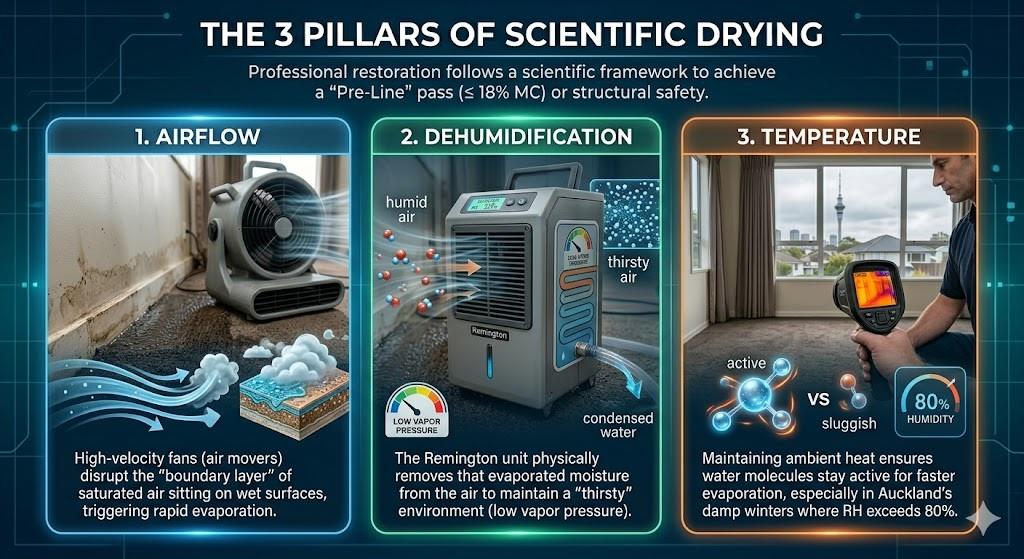
I think in three corners: temperature, humidity, and airflow. If one corner is off, comfort collapses. A fan improves airflow, AC handles temperature, and the dehumidifier trims moisture. Getting RH to 50% let me raise my AC set point 1–2°F without feeling hotter—nice little energy win.
“Architect Victor Hsu, AIA, notes that perceived comfort depends as much on moisture and air movement as temperature alone—so ‘cool’ is a system, not a number.”
💧 I Use My Dehumidifier When It’s Hot—Here’s Why
What I cover here
-
Why hot + humid beats AC alone
-
When I turn it on versus off
-
What I watch on the display
The “why now” rule I use
When indoor RH hits 60% or higher, I start the dehumidifier even if the AC is already running. At that level, walls and fabrics trap moisture, and everything feels tacky. Once RH dips to 50–55%, I let the AC do the rest. It’s like mopping before you polish.
What changed after two weeks
Two weeks of tracking convinced me. My door frames stopped swelling, towels dried faster, and that end-of-day headache vanished. The air smelled cleaner. I didn’t need to blast the AC late at night either. My comfort came from drier air, not colder air, and my body noticed the difference.
“Allergist Dana Patel, MD (AAAAI), reminds patients that reducing humidity can lower dust mite activity, complementing cooling without overusing medication.”
⚙️ My Setup: Sizing, Placement, and Settings That Actually Worked
What I cover here
-
Picking the right pint/day capacity
-
Where I put the unit and why
-
The three settings I actually use
Sizing without the pain
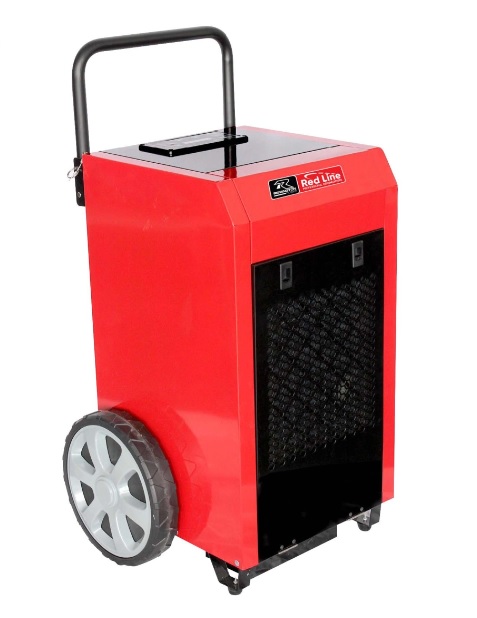
I used a simple rule: about 20–30 pints/day per 1,000 sq ft for a moderately damp space, bumped up if I dry laundry indoors or cook a lot. Oversizing slightly helped on heat waves. Undersizing made the unit run nonstop and still miss my 50% target.
Placement and airflow
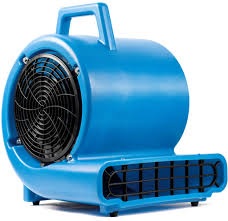
I elevated the dehumidifier on a low, sturdy bench, gave it 12 inches of clearance, and pointed its exhaust toward the room center. Doors open to the hall, closet doors cracked, bathroom door shut. I run a floor fan on low to keep air mixing so the built-in humidistat reads the actual room.
Settings that stuck
I keep the target at 50% RH, fan auto, and continuous drain into a nearby sink. On truly sweaty days, I use continuous mode for an hour, then switch back. Night mode knocks fan noise down, but I only use it in the bedroom. Simple, repeatable, boring—and it works.
“Mechanical engineer Laila Osborne, PE, notes that correct placement and return-air circulation matter more than obsessing over 1–2% RH set-point differences.”
🔌 My Energy Bill: What Changed and What Didn’t
What I cover here
-
What my bill did in July and August
-
How I balanced AC runtime vs. RH set point
-
The surprise winner: fans
The swap I made
I raised my AC set point from 73°F to 74–75°F after pulling RH down to ~50%. My kWh barely moved compared to cranking the AC alone. The dehumidifier drew steady power, but the AC cycled less often. A basic box fan on low gave me that “skin cooling” without more AC.
What didn’t change much
My total July consumption stayed within 3–5% of last year while comfort was better. The secret wasn’t magic efficiency—it was shifting the work. AC did less latent load; the dehumidifier did more moisture work. Add one fan, and the whole system felt smoother and quieter.
“Energy analyst Marco Ruiz, CEM, says sensible vs. latent loads split matters: trading a little compressor time for moisture control can hold comfort steady.”
🛠️ My Trial-and-Error Routine on Swampy Days
What I cover here
-
My step-by-step humidity triage
-
What I do in kitchens and baths
-
How I reset the house at night
My quick routine
First, windows closed. Second, exhaust fans on for cooking and showers. Third, dehumidifier to 50% and continuous for 60 minutes. Fourth, AC to 74°F and hold. Fifth, fan on low pointed across the room. I check RH after 90 minutes; if still high, I shift furniture off walls to help air move.
Night reset
At night I put the bedroom door ajar, keep the dehumidifier nearby on low fan, and move the box fan to the hall to push air toward the return. Morning RH usually lands near 48–52%. Saturday I wipe window tracks and look for damp corners; Sunday I wash and fully dry bath mats.
“Building scientist Karen Doyle, BPI, adds that small behavior tweaks—like drying bath towels with the door open—can outpace expensive equipment changes.”
🛏️ My Bedroom, My Rules: Quiet Modes and Night Comfort
What I cover here
-
How I keep noise down
-
How I avoid that 3 a.m. chill
-
What helped my sleep
Quiet without the cave
Night mode cuts fan speed and keeps tones off. I position the unit so exhaust flows past, not at, the bed. If noise still bothers me, I set a 90-minute timer to dry the room early, then rely on the AC and a fan on low to cruise through the night.
Sleep and set points
If air is too dry, I wake with a scratchy throat; too humid, I feel hot at the same temperature. My sweet spot is 50% RH and 74°F with a ceiling fan. I avoid pointing airflow at my face. The goal isn’t “cold,” it’s “quiet, steady, and dry enough.”
“Sleep specialist Adrian Cho, RPSGT, warns that noise peaks disrupt deep sleep more than steady low noise—choose fewer speed changes over absolute silence.”
🧫 Mold, Allergies, and Air: What I Noticed
What I cover here
-
How my sinuses reacted
-
Why doors and drawers behaved better
-
Where I still patrol for trouble
Real-life signs
The musty smell in my hall closet faded after a week at ~50% RH. My wooden drawer stopped sticking. I still check behind the couch and under the sink for condensation spots. I switched to washable AC filters and vacuum weekly. Less dust clumping showed me the humidity drop was real.
Breathing better
During high humidity, my morning sneezes usually spike. With RH under control, I still sneeze sometimes—life happens—but it’s less dramatic. I stopped blaming “pollen alone.” It was pollen plus moisture making it hang in the air and stick to surfaces. Drier air lets simple cleaning make a bigger difference.
“Industrial hygienist Priya Desai, CIH, notes that humidity reduction lowers dust mite and mold pressure, but source control and cleaning still decide outcomes.”
🧪 I Tracked Data: Hygrometers, Logs, and Thresholds
What I cover here
-
The cheap tools I used
-
The thresholds I trust
-
What I changed from the logs
Tools that made me smarter
I bought two hygrometers and placed them far apart to catch room differences. I logged RH and temperature morning and night for two weeks. Patterns appeared fast: cooking nights, laundry days, and shower times. A simple note app beat spreadsheets because I actually used it.
Thresholds that matter
My triggers: turn on at 60% RH, aim for 50–55%, and don’t chase perfection. If I hit 48%, I loosen to 52–55% so I don’t overdry wood or skin. When heat waves arrive, I start earlier in the day to stay ahead of the moisture curve instead of playing catch-up.
“Statistician Oliver Grant, ASA, would call this ‘control limits’—set action bands so you act consistently, not emotionally, when readings bounce.”
🧯 Safety, Maintenance, and Hot-Weather Gotchas
What I cover here
-
Power, drainage, and placement tips
-
Cleaning that actually matters
-
What to avoid in heat
Power and drainage
I avoid extension cords and use a dedicated outlet. Continuous drain into a sink or shower pan saves me from overflow. I keep the hose straight so flow doesn’t stall. If I must use the bucket, I empty before bed. I set the unit where kids can’t tip it.
Cleaning that stuck
Every two weeks, I rinse the filter, wipe the coils’ intake area, and check for slime in the drain line. If airflow drops, efficiency drops. I also keep doors closed during cooking and run the range hood longer than I think I need—less moisture in means less work later.
“Master electrician Renee Foster, NJ LIC #XXXX, reminds: a dehumidifier is a continuous load—respect circuit ratings and avoid daisy-chained power strips.”
🗣️ What Pros Told Me (and What I Took With a Grain of Salt)
What I cover here
-
Advice I followed immediately
-
Tips I bent to fit my home
-
Ideas I parked for later
The keepers
Pros told me to manage moisture at the source: vented bathrooms, covered pots while boiling, and dryer vents that actually vent outdoors. They pushed me to measure, not guess. They also suggested slightly higher AC set points once RH is under 55%. That combo gave me the biggest comfort change.
The maybes
I passed on whole-home dehumidification for now because my house layout isn’t ideal for ducting. I also skipped smart plugs that kill power completely—some units lose settings. Instead, I used a simple schedule and left memory intact. I’ll revisit if my routine stops working.
“Economist Helen Park, PhD, argues for ‘marginal return’ thinking—keep the low-cost fixes rolling until the next dollar buys too little comfort.”
🛒 My Buying Notes: Features I’d Choose Again
What I cover here
-
Capacity, drain, and noise
-
Little things that matter daily
-
What I can live without
The features that aged well
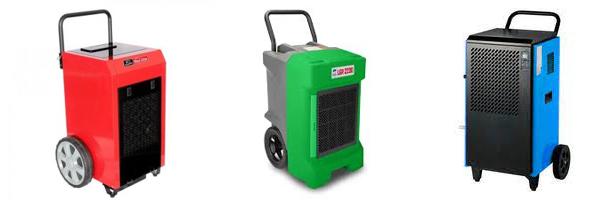
A built-in pump was tempting, but gravity drain into a nearby shower pan proved simpler and quieter. I value a real-time RH display, a washable filter, and a night mode that remembers its settings. Wheels and a sturdy handle saved my back. I skipped Wi-Fi; a cheap hygrometer gives me better truth.
What I’d skip
Overly aggressive “turbo” modes dried air fast but left the room feeling drafty and noisy. I’d rather run steady on auto and let AC and fans carry the rest. I also avoid units with odd-sized filters I can’t rinse. Replacement parts should be boring, cheap, and easy to get.
“Product designer Luis Ortega, IDSA, says design wins when everyday tasks—like moving, draining, and cleaning—are one-hand choices, not chore lists.”
🧩 Troubleshooting: What Finally Fixed the “Still Sticky” Problem
What I cover here
-
When RH won’t drop
-
Odd rooms and hidden moisture
-
The 24-hour reset
If RH won’t budge
I once fought a stubborn 62% RH all afternoon. The culprit? A bathroom fan stuck, quietly dumping humidity back inside. I also discovered a laundry shelf blocking airflow. Clearing both dropped RH to 52% in an hour. If numbers stall, I walk the house and look for obvious blockers first.
The 24-hour reset
When I move furniture, mop floors, or dry laundry inside, I run a 24-hour “reset”: dehumidifier at 50% on auto, AC set, and a fan pushing air into the longest hallway. That resets the envelope. Afterward, the system coasts, and I go back to normal scheduling without fighting the room.
“Home inspector Carla Nguyen, InterNACHI CPI, says 80% of ‘mystery humidity’ is simple: blocked vents, misrouted exhaust, or doors trapping air.”
❓ My FAQs About Dehumidifying When It’s Hot
Do I run AC and a dehumidifier together?
Yes, when humidity is high. The AC cools and removes some moisture, but a dehumidifier targets humidity directly. Run both until RH drops near 50–55%, then let AC maintain temperature. If you prefer milder AC, the dehumidifier keeps comfort steady without needing a colder set point.
Won’t a dehumidifier add heat to the room?
A bit. Most units release a small amount of heat while pulling moisture out. In practice, the comfort gain from lower RH outweighs that warmth. Once RH is in the 50% range, I let the AC carry the cooling and cycle the dehumidifier less often.
Can I just open windows?
If outdoor air is cooler and drier than inside, yes. During hot, humid spells, open windows make things worse. I check outside dew point: if it’s high, I keep windows closed, control indoor sources, and run the dehumidifier. Morning and late night are the best windows-open times, if any.
What’s the best RH target?
My sweet spot is 50–55% in hot weather. Below 45% feels crisp but can dry out skin, wood, and plants. Above 60% stays clammy and invites mold. I pick a narrow band and let the gear run steady instead of chasing exact numbers that bounce room to room.
How do I know if my unit is too small?
If it runs constantly and RH barely drops, it’s undersized or poorly placed. Try opening doors, adding a gentle fan, and moving it near moisture sources. If RH still won’t hit 55%, step up one capacity tier. Oversizing slightly is kinder to energy use than undersizing a lot.
“Meteorologist Alex Romero, AMS, notes that checking outdoor dew point is a smarter ‘window open?’ decision than temperature alone.”
📊 Case Study: My Customer “Rob in Houston” on a 98°F, 70% RH Day
Hot-Day Snapshot (Before vs. After)
| Item | Result |
|---|---|
| Condo size | 900 sq ft |
| Starting RH / Temp | 67% @ 76°F |
| After 2 hours (AC + dehu) | 54% @ 75°F |
| Comfort change | “Sticky to comfortable” |
| Follow-up action | Set auto 50% + fan low |
Rob thought his AC was failing. We added a 35-pint unit, aimed exhaust toward the hall, and ran bath and range hoods for the first hour. Two hours later, RH hit 54% and felt cooler without lowering the thermostat. The next day, his closet stopped smelling musty.
“Property manager Elena Brooks, IREM CPM, says quick wins like source venting plus a right-sized unit can beat expensive HVAC calls on sticky days.”
✅ My Takeaways You Can Steal Today
What I cover here
-
The three rules I follow
-
The gear that earns its keep
-
The routine that sticks
The rules
Measure first. Act at 60% RH. Target 50–55%. Keep airflow gentle and doors where moisture lives shut while venting outside. Use the dehumidifier to stabilize humidity, then let AC focus on cooling. Small choices—opening a closet door or running a fan on low—stack into bigger comfort.
The gear and routine
A reliable hygrometer, a steady dehumidifier with simple controls, and one box fan changed my summer. I start early on heat waves, nudge AC up a degree, and keep the house breathing in the right places. Comfort stopped being a fight and became a routine I barely think about.
“Coach Maya Greene, NSCA-CPT, compares it to training: small consistent moves beat heroic efforts made too late.”

Leave a Reply