These documented flood restoration case studies show how Carpet Drying Force approaches water extraction, contamination control, structural drying and moisture verification in Auckland homes and businesses.
Every loss is assessed on its own materials, water source, access and drying conditions. These examples explain the restoration process; they are not fixed-price quotes or a promise that another property will require the same scope or duration.
At-a-glance: two documented Auckland restoration cases
The following comparison links to the full case records. It is intended to make the recorded conditions and response easier to review, not to predict another property’s scope, duration or cost.
| Documented case | Recorded water path or scope | Recorded mitigation and monitoring |
|---|---|---|
| Emergency washing-machine leak | Water was initially identified in the garage and travelled into the hallway, bedroom and wardrobe. | Water Claw extraction and air movers were used. A 17-day controlled drying programme was adjusted when slower-drying areas were identified. |
| Ceiling pipe leak | Water was visible at a ceiling light fitting. Two hallways, one bedroom, and ceiling and wall materials required assessment. | Extraction and controlled airflow were used. Carpeted areas dried over three days while wall access and structural checks continued. |
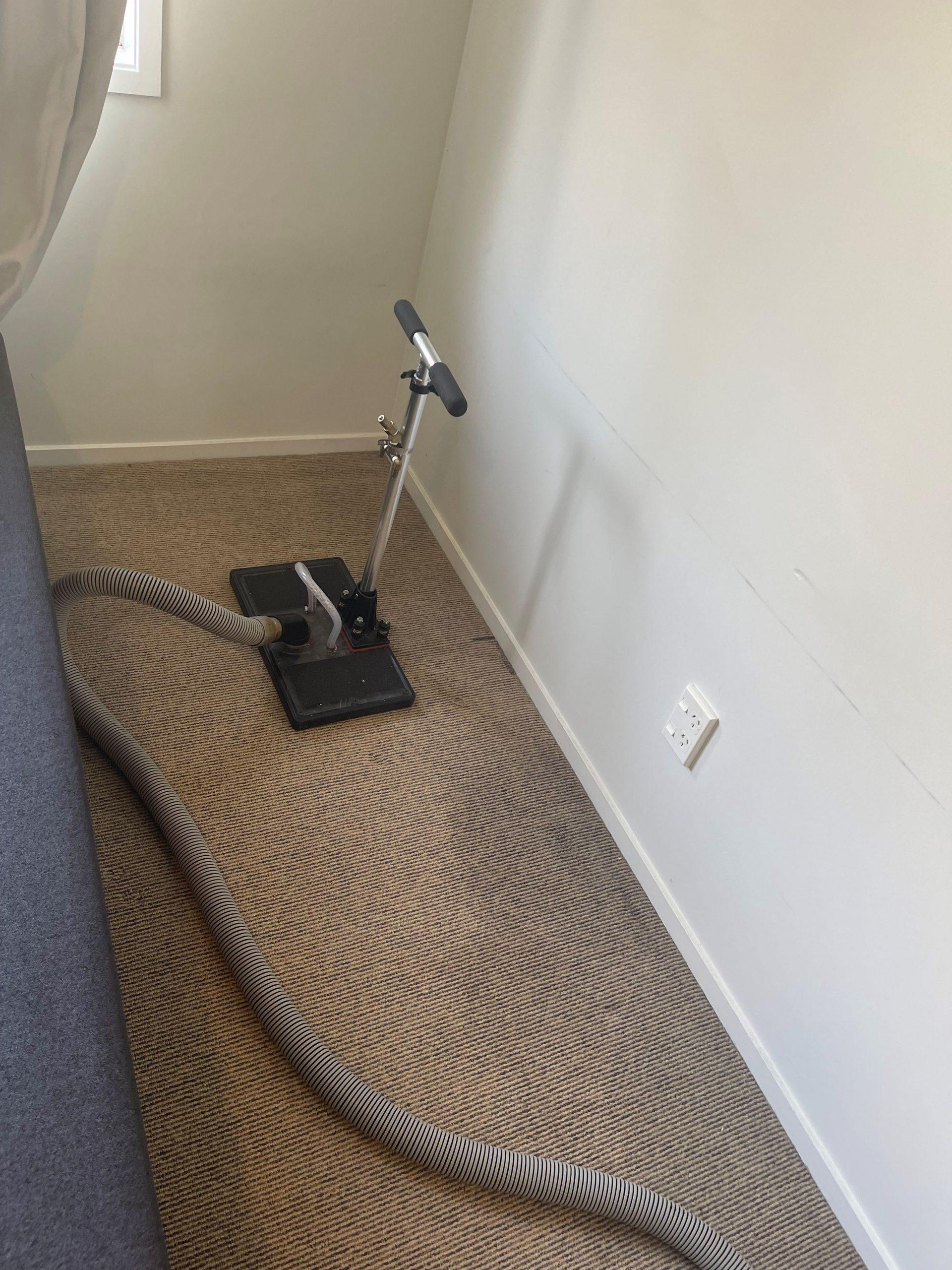
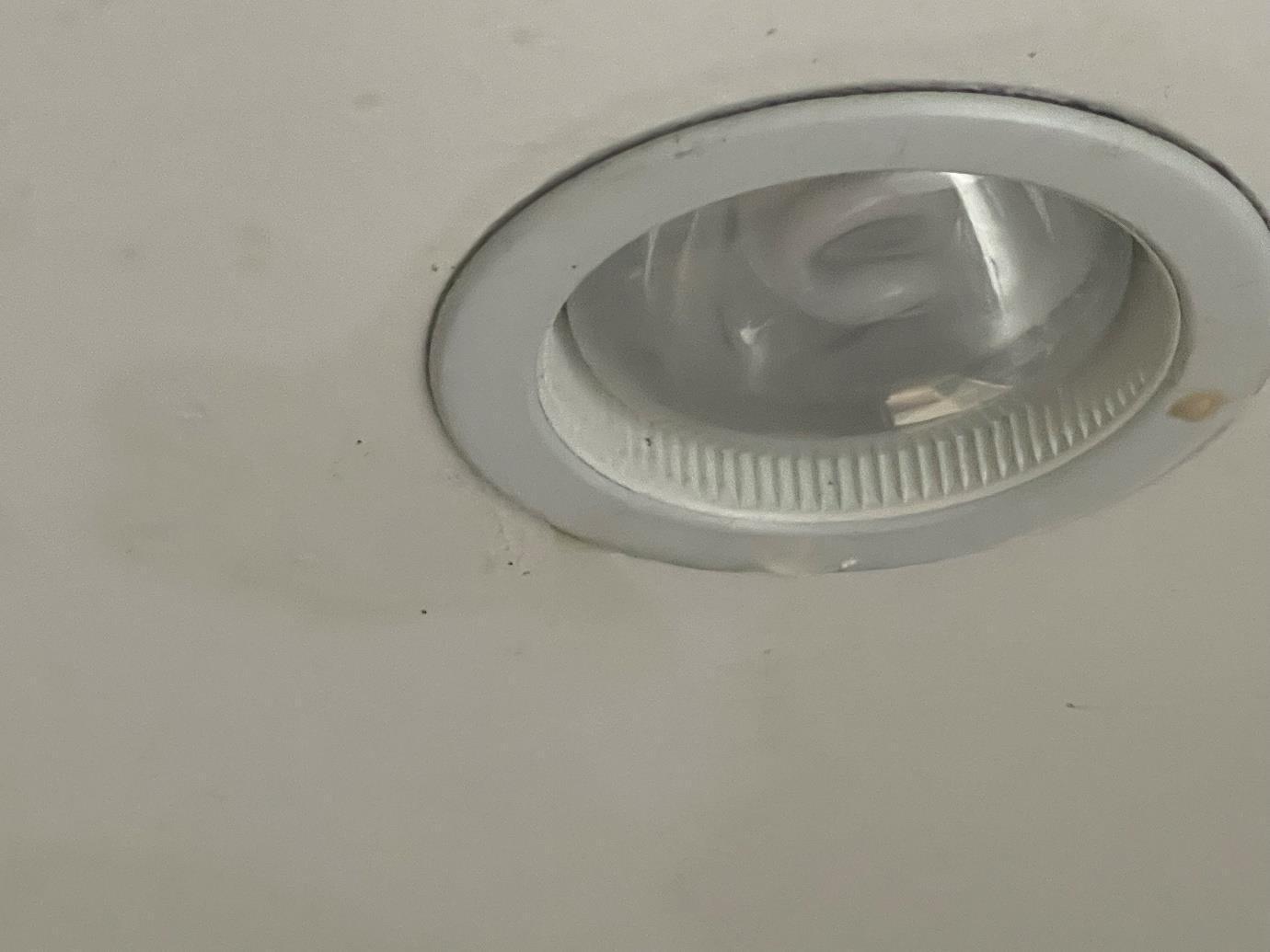
These are individual documented projects, not a timetable, price, scope or outcome promise for another property. Water source, contamination, materials, access, electrical safety and moisture findings determine the appropriate work.
Quick answer: what do these Auckland water-damage restoration case studies show?
They show why water-damage work needs assessment, extraction, cleaning or decontamination where required, controlled drying and moisture verification. Each project has different materials, water sources, access and drying conditions, so its scope and duration are evidence of that job rather than a fixed formula for another property.
Documented Auckland flood restoration projects
Category 3 water damage restoration in Manurewa
A Category 3 water-damage response involving extraction, decontamination, removal of affected materials, structural drying and final moisture checks. The case study includes site photographs, drying equipment, moisture readings and an illustrative cost allocation.
Read the Manurewa Category 3 water damage restoration case study
Emergency washing machine leak restoration
A documented response to a washing machine leak affecting a garage and adjoining rooms. The project shows how equipment was adjusted as conditions changed across the restoration timeline.
Read the emergency washing machine leak restoration case study
Ceiling pipe leak flood restoration in Auckland
A case study covering a ceiling pipe leak, investigation of affected materials, extraction and structural drying work.
Read the ceiling pipe leak flood restoration case study
Ceiling pipe leak and structural drying in Onehunga
A burst ceiling pipe affected concealed ceiling and wall assemblies. After controlled access exposed wet framing, commercial dehumidification and air movement were monitored for seven days; final documented readings were 14% at the wall and 11% at the ceiling before reinstatement.
Read the Onehunga ceiling-pipe leak and structural-drying case study
What these case studies demonstrate
- Assessment of the affected area and materials before a drying plan is confirmed.
- Water extraction and appropriate cleaning or decontamination work.
- Placement and adjustment of commercial drying equipment.
- Moisture monitoring and verification before completion.
- Clear separation of mitigation, drying and reinstatement considerations.
Frequently asked questions about Auckland water-damage case studies
Can a case study tell me what my restoration will cost?
No. It can show the type of evidence and work that may be involved, but cost depends on the water source, affected materials, contamination, access, equipment and verified drying duration at the individual property.
How is a water-damage restoration completion decision made?
Completion follows assessment and suitable moisture checks in the affected materials, alongside the cleaning or decontamination work required by the water source. A dry-looking surface alone is not enough.
When should I arrange a flood-restoration assessment?
After it is safe and the water source has been isolated, arrange assessment promptly. Water can travel beneath floor coverings and into wall or ceiling assemblies beyond the visible stain line.
Need flood restoration in Auckland?
For an assessment after a leak, flood or water-damage event, contact Carpet Drying Force. We can discuss the water source, affected rooms, visible materials and the appropriate next step.