Quick answer: A wet carpet can sometimes be dried and retained when the water is clean, the loss is addressed promptly and the carpet, underlay and nearby materials can be verified dry. Replacement may be the safer option when water is contaminated, underlay remains affected, the carpet has delaminated or the material cannot be restored to a suitable condition.

What determines whether a wet carpet can be saved?
The decision is not made by touching the carpet surface. Water can remain in the backing, underlay, subfloor and nearby wall linings after the pile feels dry. Assessment considers the water source, time affected, carpet construction, contamination, visible deterioration and moisture measurements in connected materials.
| Finding | What it can mean | Typical next step |
|---|---|---|
| Clean water, found quickly | Materials may be recoverable if moisture has not spread extensively. | Extract water, assess underlay and begin controlled drying. |
| Underlay saturated or odour persists | Moisture or contamination may be held below the carpet. | Inspect beneath the carpet and decide whether drying or removal is appropriate. |
| Grey or contaminated water | Cleaning and removal requirements can differ from a clean-water loss. | Keep people away from affected materials and arrange professional assessment. |
| Delamination, distortion or irreversible staining | The carpet may no longer be suitable for reinstatement. | Document the condition and discuss replacement scope. |
Why surface drying is not enough
Carpet pile can feel dry before the backing and underlay have released moisture. If water has travelled under the carpet or into skirtings and framing, a drying plan may need extraction, airflow, dehumidification and monitoring. Completion should be based on suitable readings and material condition, not a fixed number of days.
See our guide to wet carpet underlay and concealed moisture.
What to do first
- Make the area safe and isolate the water source if safe to do so.
- Photograph the water source, affected rooms and visible damage before moving materials.
- Lift or protect furniture where safe; avoid spreading contaminated water.
- Arrange assessment promptly if water reached underlay, wall edges or more than a small contained area.
- Keep extraction, equipment and moisture records for an insurer or property manager.
Drying versus replacement: ask for a clear scope
Drying and rebuilding are different parts of a claim or repair. A useful scope identifies the materials assessed, why a material can be retained or removed, the drying evidence required and any reinstatement outside mitigation work. See our Auckland flood restoration cost guide.
Frequently asked questions
Can wet carpet be saved after a washing-machine leak?
It may be possible if the source is addressed quickly and carpet, underlay and connected materials can be cleaned and dried to a suitable condition. The decision depends on the specific loss.
Does wet underlay always need to be removed?
No single answer applies. Water category, saturation, material condition and the ability to clean and dry it properly matter.
How long should carpet drying take?
Drying can take from a short controlled job to several days or longer. Water migration, underlay, wall linings, humidity, access and equipment all affect the result.
For an assessment after a leak or indoor flood, contact Carpet Drying Force in Auckland.
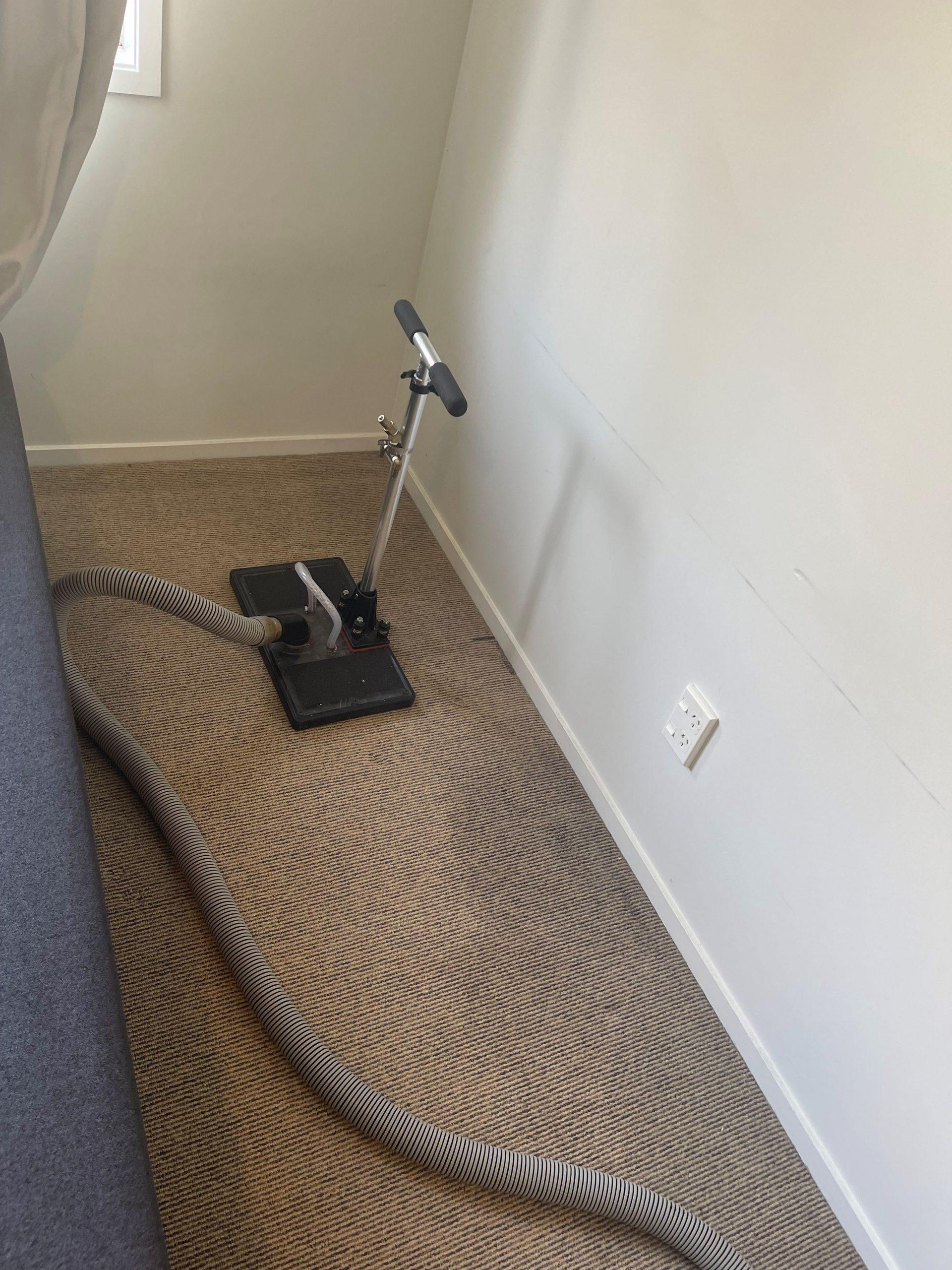
Documented Auckland example: why a small visible area can be misleading
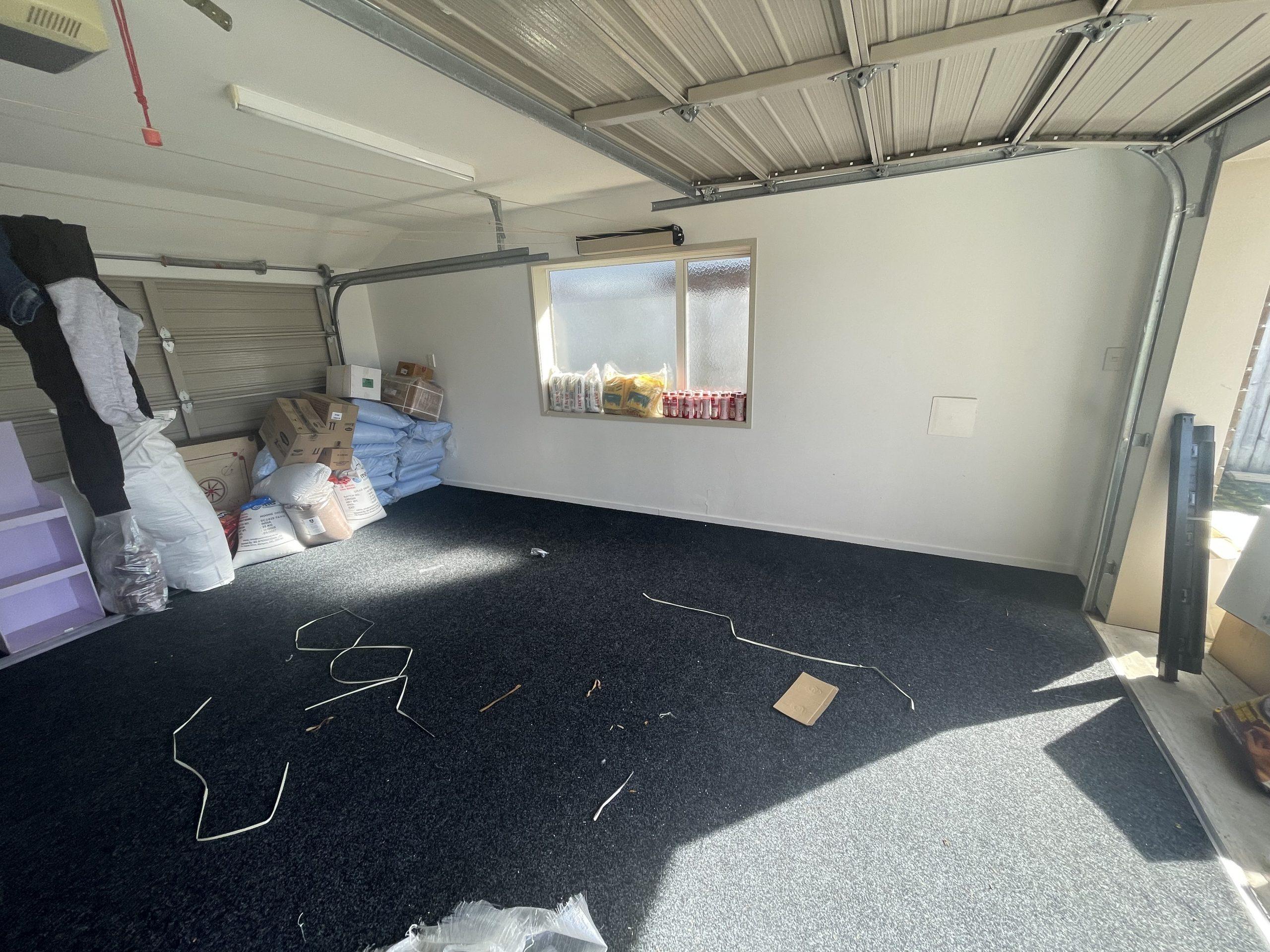
| What was identified | What the documented case shows |
|---|---|
| Visible area | The initial visible water was in a garage. |
| Assessment finding | Water had travelled beyond the garage into a hallway, bedroom and wardrobe. |
| Mitigation and drying | Water was extracted with a Water Claw, then air movers were used during a 17-day controlled drying programme. Equipment was adjusted as slower-drying areas were identified. |
Why it matters: a dry-feeling carpet surface alone cannot show whether water has moved into underlay or connected materials. The relevant decision is based on the source, contamination, material condition and verified readings.
Read the full documented washing-machine leak case study.
This was one clean-water indoor leak. It is not a promised drying time or a result that applies to every wet carpet; contaminated water, different materials and greater migration can require a different scope.