When a leak, burst pipe or water entry affects a rental, apartment or managed building, the priority is safety, timely assessment and clear documentation. Carpet Drying Force helps Auckland property managers coordinate water extraction, controlled drying and moisture checks after a water-damage event.
Documented Auckland example: information that helps a managed-property handover
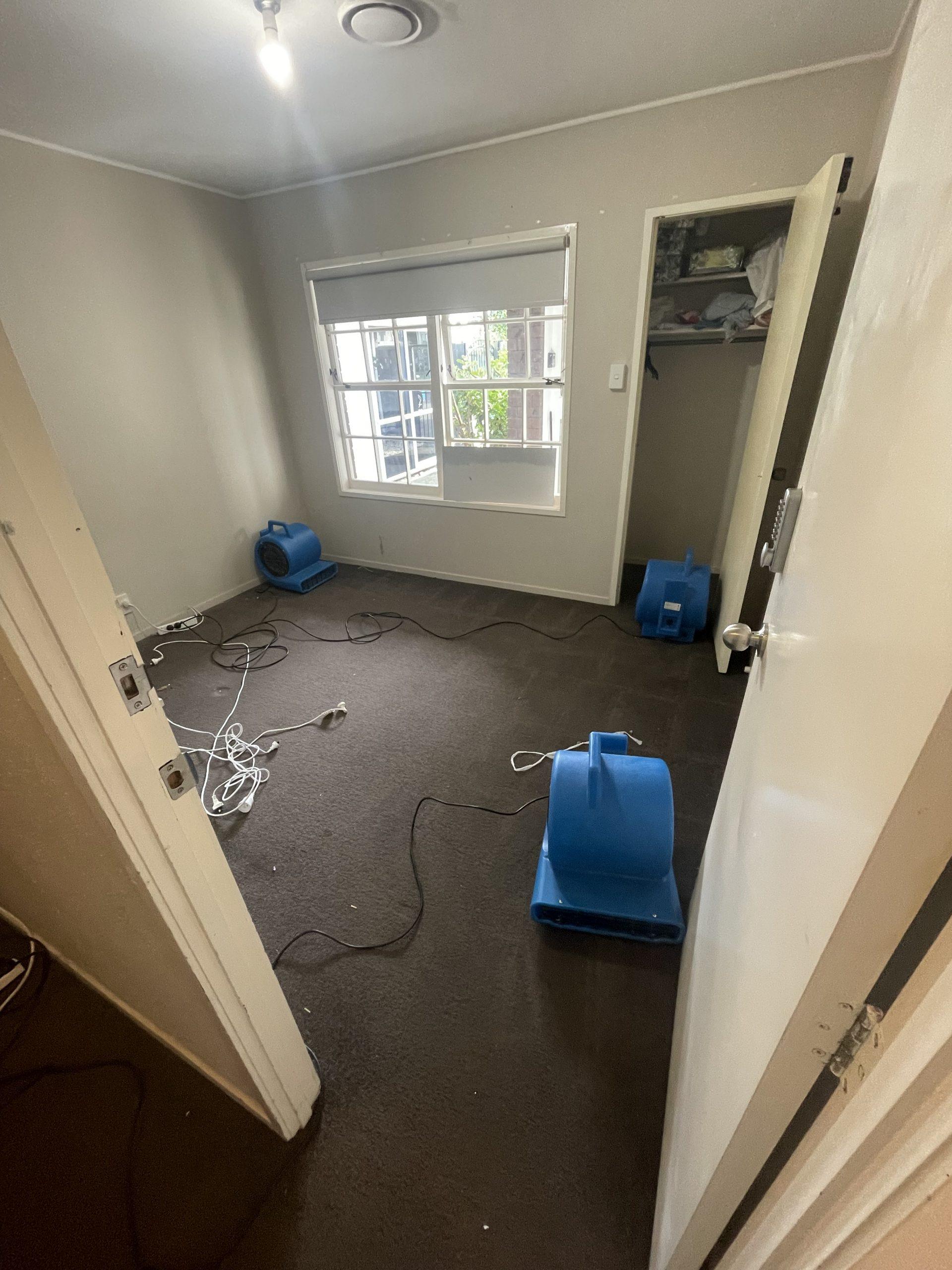
| Recorded condition | Recorded work and monitoring | Information useful for a handover |
|---|---|---|
| Water was visible at a ceiling light fitting. Two hallways, one bedroom, and ceiling and wall materials required assessment. | Extraction and controlled airflow were used. Carpeted areas dried over three days while wall access and structural checks continued. | Affected rooms and materials, equipment used, ongoing checks, and items that needed further access can be recorded separately from repair or insurance decisions. |
The complete case record includes the documented condition and work sequence. Read the ceiling-pipe-leak case record.
This is one documented project, not a commitment to a particular scope, duration, cost, access requirement, insurance decision or outcome at another managed property. The water source, contamination, materials, occupancy, safety and moisture findings determine the appropriate response.
What property managers need after water damage
A prompt assessment helps establish the water source, affected rooms and materials, potential contamination and whether moisture may have travelled beneath carpet, flooring, wall linings or into a ceiling cavity. The appropriate scope depends on the conditions found on site.
- Emergency assessment and water extraction where appropriate
- Drying of wet carpet, underlay and building materials where restoration is suitable
- Moisture checks to guide equipment placement and monitor progress
- Photos and a clear record of the affected areas and drying work
- Practical information for the owner, tenant or insurer
Clear documentation for owners and insurers
Water damage can look smaller than it is. Photos, moisture readings and a description of affected materials can help explain the drying scope. Insurance cover and claim decisions remain with the insurer, but clear records help property owners provide the information requested.
Supporting tenants and managed properties
For a rental or apartment, the first priorities are safe access, stopping the water source where safe, protecting affected areas and keeping the owner or manager informed. We can explain the drying setup, likely access needs and the checks being completed. Building repairs, electrical work and plumbing repairs should be arranged with the appropriately qualified trades or building professionals.
How the drying process is managed
- Assess: identify the apparent source, materials affected and immediate safety concerns.
- Extract and protect: remove accessible water and protect affected areas where appropriate.
- Dry and monitor: use suitable air movement and dehumidification, with moisture checks to guide adjustments.
- Record and hand over: provide the relevant job information and confirm when the drying scope is complete.
Common managed-property water events
- Washing-machine, dishwasher and hot-water-cylinder leaks
- Bathroom overflows and plumbing failures
- Ceiling leaks affecting apartments or adjoining tenancies
- Stormwater entry and contaminated-water events
- Wet carpet, underlay, walls, floors and ceiling cavities
Useful Auckland flood-restoration resources
- Documented Auckland flood-restoration case studies
- How Auckland flood-restoration costs are assessed
- Flood restoration and carpet drying in Auckland
Frequently asked questions
What should a property manager document after a leak or flood?
From a safe position, record the apparent source if visible, affected rooms, damaged belongings, the spread of water and relevant communication with the tenant or owner. A restoration assessment can then document the materials and drying work.
Can wet carpet in a rental property be dried?
Sometimes. The decision depends on the water source, contamination risk, how long materials have been wet, the condition of the carpet and underlay, and whether moisture has migrated into nearby building materials.
Does a property manager need insurer approval before emergency work?
Claim requirements differ. Contact the insurer promptly and ask what it requires. If immediate work is needed to protect people or limit further damage, keep clear records of the conditions and actions taken.