Flood maps are a useful starting point for understanding Auckland property risk, but they are not a site-specific assessment or a prediction of what will happen at an individual home. This guide explains how to use them sensibly and what to do if water enters a property.
Quick answer: how should Auckland flood maps be used?
Use Auckland flood maps as an early risk-screening tool, then check the property’s drainage, past water entry and site-specific advice before making decisions. A mapped flood plain or overland-flow path does not predict one property’s exact outcome, and an unmapped property can still be affected by drainage failure, roof leaks or local surface water.
Flood-risk preparation chart
| Before heavy rain | During a water event | After water entry |
|---|---|---|
| Check gutters, downpipes and surface drainage. | Keep people away from electrical hazards and flowing water. | Document the water line, affected materials and contents. |
| Know your local water routes and emergency contacts. | Do not block water paths or enter unsafe areas. | Notify insurer, landlord or manager as appropriate. |
| Keep records of past drainage and water-entry repairs. | Follow Civil Defence and council instructions. | Assess concealed moisture before repairing or returning materials to use. |
Documented Auckland water-entry example: not a flood-map case
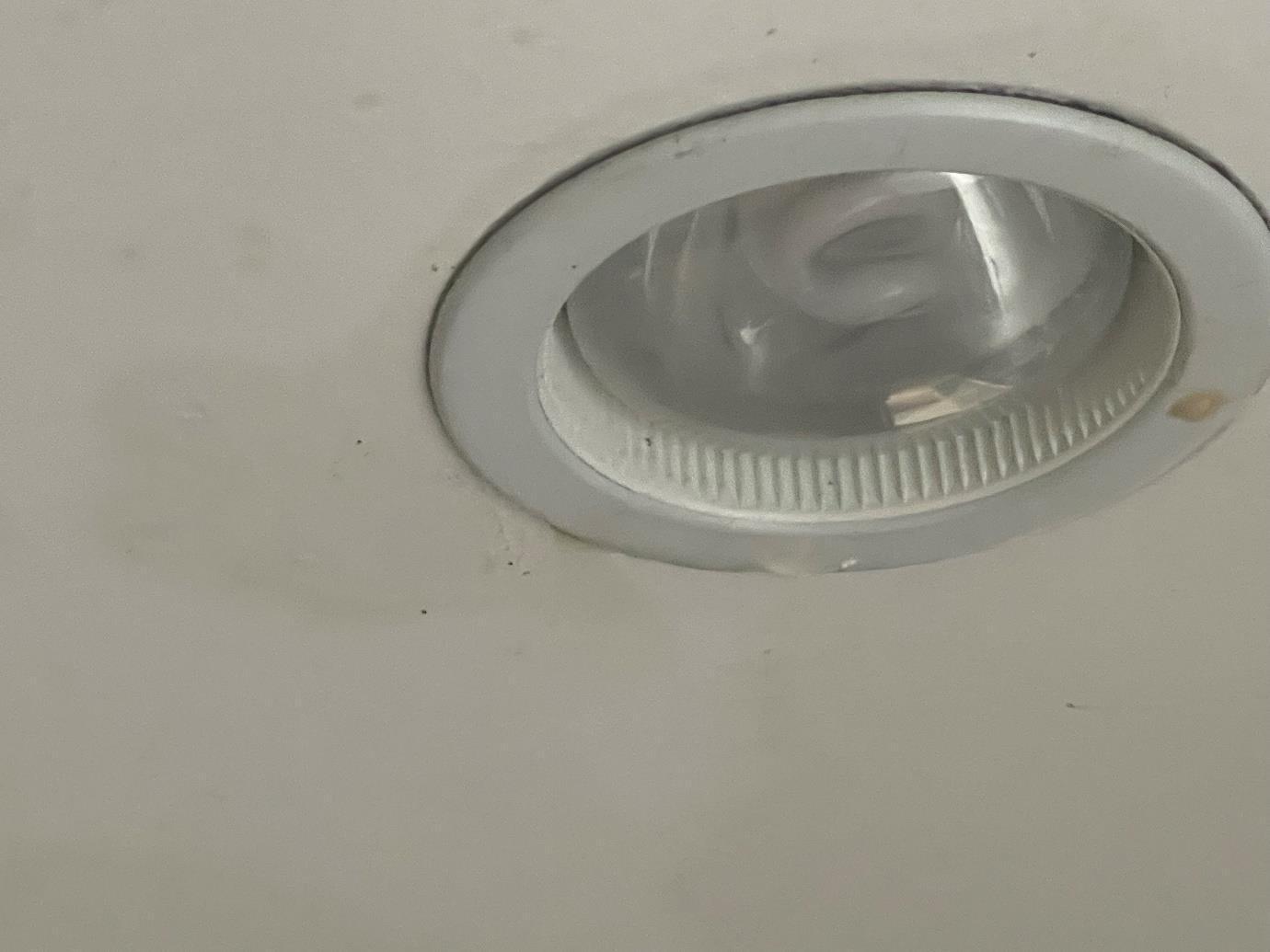
| Recorded condition | Recorded response | What this means for flood-risk planning |
|---|---|---|
| Water was visible at a ceiling light fitting. Two hallways, one bedroom, and ceiling and wall materials required assessment. | Extraction and controlled airflow were used. Carpeted areas dried over three days while wall access and structural checks continued. | Flood maps are helpful screening tools, but they do not identify every water source or replace safe assessment after water enters a building. |
This was an indoor pipe-leak case, not a storm or mapped-flood event. Read the complete case record.
This is one documented project, not a prediction of flood risk, a promise of drying time or a guide to another property’s repair scope. Water source, contamination, materials, access, electrical safety and measured moisture conditions determine the appropriate response.
Auckland flood-risk FAQs
Does a flood map tell me whether my house will flood?
No. Maps provide regional risk information and do not replace a site-specific assessment or predict a particular event at one property.
What should I check around a property before winter?
Check gutters, downpipes, drains, surface-water routes and any prior entry points. Record issues and arrange maintenance before heavy rain where possible.
When is a professional flood-restoration assessment sensible?
Arrange assessment where water has entered carpet, underlay, flooring, walls, ceilings or other porous materials, or where the water source is unknown or contaminated.
What Auckland Flood Maps Show
Auckland Council publishes regional information about flood plains, flood-prone areas and overland flow paths. These maps describe how water can move across a wider landscape and may not reflect property-level changes or building-specific mitigation.
Read Auckland Council’s explanation of regional flood maps before making property decisions. For site-specific questions, use the map as a starting point and seek the appropriate independent or council advice.
Practical Property Checks
- Look at the available flood, overland-flow-path and drainage information for the property and surrounding area.
- Check gutters, downpipes, drains and visible surface-water routes regularly.
- Keep records of prior water entry, maintenance and any drainage improvements.
- Do not block known water routes or make changes that could direct water toward a building.
- Seek advice before buying, building or making major site changes where flood information is relevant.
If Floodwater Enters the Home
Safety and documentation come first. Avoid electrical hazards, take photos where safe and contact the insurer as soon as possible. The NZ Civil Defence flood guidance provides current public-safety advice.
Once it is safe, follow the 60-minute emergency carpet drying action plan. Water may travel beneath carpet or into walls, so see moisture mapping and hidden cavity drying for the next steps.
When to Arrange Flood Restoration
Arrange an assessment if water has reached carpet, underlay, wall linings, a subfloor or electrical areas, or if the source is contaminated. Visit our Auckland flood restoration service for urgent help.
Frequently Asked Questions
Does a flood-map mark mean a property will definitely flood?
No. Regional maps show potential hazard information and are not a property-specific prediction. Use them as part of wider due diligence.
Can I wait for a wet carpet to dry naturally?
Waiting can allow moisture to move into underlay and nearby materials. Assess and start safe drying promptly.