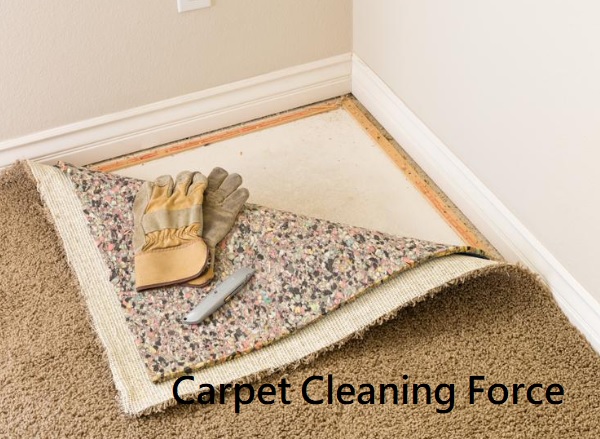
My Personal Guide on How to Install Carpet
I’ve learned a lot about installing carpets over the years, and I’m excited to share my insights with you!
Install carpet efficiently using essential tools: knee kicker, seam roller, and utility knife. Start by measuring the room, cut the carpet with precision, align, and secure it properly. Handle corners and edges for a professional finish. Proper installation ensures durability and ease.
Key Statistics for Carpet Installation
| Statistic | Data |
|---|---|
| Average Room Size for Carpet Installation | 330 sq ft |
| Typical Carpet Lifespan | 5-15 years |
| Average Time Required for Installation | 4 hours |
| Common Carpet Types Installed | Nylon, Polyester, Wool |
| Percentage of Homes Choosing Carpet | 51% |
For more detailed statistics and information on carpet installation, visit Carpet and Rug Institute.
Understanding Carpet Types
Overview of Different Carpet Materials
Carpeting your home can be like dressing it up for different occasions; the material you choose greatly affects both appearance and function. Let’s break down the common types:
- Nylon: Known for its durability and resilience, perfect for high-traffic areas.
- Polyester: Great for vibrant colors and stain resistance, but it can mat underfoot.
- Wool: Luxurious and natural, wool is comfortable and has excellent soil resistance, though it can be pricey.
- Blends: These mix materials to balance cost, comfort, and durability, aiming for the best of all worlds.
Each material has its place, depending on the room’s role in your home and the kind of foot traffic it sees. 🏠
Selecting the Right Carpet for Your Room
Choosing the right carpet involves more than just picking a color. Consider these aspects:
- Traffic: Hallways and living rooms need tough carpets like nylon.
- Sunlight: Fade-resistant carpets like polyester are best for sunny rooms.
- Room Usage: A plush, soft wool carpet might be perfect for a cozy bedroom.
Colors and patterns should not only match your current décor but also stand the test of time. It’s all about finding that perfect match that makes your room “pop” while maintaining practicality.
Expert Insight:
- A fashion designer emphasizes the importance of color psychology in carpet choice, noting that colors can significantly affect mood and room perception.
- An architect argues for functionality first, stating that material durability should dictate choice over aesthetics in high-use areas.
Both viewpoints offer valuable insights into the complex decision-making process behind selecting the right carpet, blending principles from design and architecture.
Tools and Preparation
Essential Tools for Carpet Installation
Just like a chef needs the right knives, you’ll need some key tools to lay down your carpet smoothly. Here’s what should be in your toolkit:
- Knee kicker: Essential for stretching the carpet in small rooms.
- Seam roller: To press down on the seams and ensure they’re invisible and flat.
- Utility knife: For precise cuts that fit your space exactly.
Gathering these tools before you start can save you a headache later. Remember, the right tool for the job makes all the difference! 🔨
Preparing Your Space
Starting with a clean slate is vital. Here’s how to prep your room for a new carpet:
- Clear the Room: Remove furniture and old flooring. This isn’t just about space—it’s about safety and ease of installation.
- Clean the Floor: Ensure the subfloor is clean, dry, and level. Any dirt or debris can cause issues later.
- Measure Twice, Cut Once: Accurate measurements are crucial. Misjudging the size can lead to wastage or shortages.
This preparation phase is your foundation. A well-prepped room leads to a smoother installation and better results.
Expert Insight:
- An interior decorator highlights the importance of a visually clear workspace to enhance mental clarity and improve installation accuracy.
- A construction manager stresses the necessity of precise measurements and room preparation, arguing that proper groundwork reduces material waste and installation errors.
These insights from the fields of interior decoration and construction management underline the dual focus on efficiency and aesthetics in carpet installation.
The Installation Process
Step-by-Step Installation Guide
Installing carpet can seem daunting, but with the right steps, it turns into a manageable task. Here’s a detailed walkthrough:
- Laying the Underpad: This acts as a cushion beneath your carpet, enhancing comfort and longevity. Trim it to fit just short of the tack strips around the room’s perimeter.
- Positioning the Carpet: Roll out your carpet and position it over the underpad, allowing a few inches up the walls for trimming later.
- Stretching and Fixing: Use the knee kicker to stretch the carpet over the tack strips securely. This prevents any bumps or wrinkles.
- Trimming the Edges: With a sharp utility knife, trim the excess carpet along the walls for a neat finish.
Following these steps methodically will ensure your carpet looks and feels great underfoot. 📏
Common Mistakes to Avoid
Everyone makes mistakes, but here are some to keep an eye out for:
- Over or Under Stretching: Too tight, and the carpet can damage; too loose, and it will wrinkle. Finding the balance is key.
- Misaligned Seams: Ensure your carpet seams are invisible by aligning them away from direct light and high-traffic areas.
Expert Tips for a Smooth Installation
Sometimes, a few professional tips can make all the difference:
- Keep the Area Ventilated: This helps with adhesive fumes and makes the working environment more comfortable.
- Check Your Work: Regularly step back and inspect from different angles to catch any issues early.
Expert Insight:
- A seasoned carpet installer recommends regular breaks to step back and review the work from a distance, ensuring everything aligns and fits perfectly.
- A project manager in construction points out that detailed planning and real-time adjustments are crucial to prevent installation flaws and ensure a high-quality finish.
Drawing on years of experience in both carpet installation and project management, these insights emphasize the importance of both precision and flexibility in achieving a professional-grade carpet installation.
Finishing Touches and Maintenance
Securing Edges and Adding Transitions
After the main installation, it’s crucial to give attention to the details that elevate the finish. Here’s how:
- Securing Edges: Use a stair tool to tuck the carpet’s edges into the tack strips along walls. This ensures a tight fit and prevents fraying.
- Adding Transitions: Where the carpet meets other types of flooring, transition strips are necessary. They protect the edges of the carpet and provide a smooth transition, reducing tripping hazards.
These final steps are like signing off on your masterpiece—they make sure everything stays perfect. 🖋️
Long-Term Carpet Care
A well-maintained carpet can last many years. Here are some tips to keep yours looking new:
- Regular Vacuuming: Keeps the carpet clean and prevents dirt from becoming embedded.
- Immediate Stain Removal: The sooner you tackle spills, the less likely they are to set in.
- Professional Cleaning: Annual or bi-annual professional cleanings can revitalize your carpet and extend its lifespan.
Maintaining your carpet well not only enhances its appearance but also maximizes your investment.
Expert Insight:
- A home maintenance expert emphasizes regular vacuuming as crucial to maintaining carpet’s aesthetic and functional quality.
- An environmental health specialist advises using eco-friendly cleaning products to preserve indoor air quality while caring for carpets.
These insights from home maintenance and environmental health fields suggest that effective carpet care involves both routine upkeep and mindful product choices, highlighting the holistic approach to maintaining home environments.
Enhancing Home Value Through Carpeting
Impact on Aesthetics and Comfort
The right carpet can transform a space from merely functional to luxuriously comfortable and visually appealing. Here’s what to consider:
- Aesthetic Impact: A well-chosen carpet complements your home’s decor and can make it feel more welcoming and stylish.
- Comfort Factor: Beyond looks, a good carpet adds warmth and noise insulation, enhancing the living experience.
Choosing the right carpet can turn a house into a home, adding both value and comfort. 🏡
Carpet and Property Value
Investing in high-quality carpeting can also have a positive impact on your property’s resale value:
- Appeal to Buyers: A good carpet can make a home more attractive to potential buyers, increasing its market value.
- Cost vs. Value: While the initial cost might be significant, the right carpet can pay off in terms of both aesthetics and functionality.
Real estate professionals often discuss how improvements like carpeting can affect home valuation and appeal.
Expert Insight:
- A real estate agent notes that homes with new carpeting often sell faster and at higher prices, particularly in upscale markets.
- A home improvement expert contrasts this by cautioning that the choice of carpet color and style must appeal broadly to maximize resale value.
These perspectives underline that while personal taste in carpet choice is important, considering market trends and buyer preferences can enhance the financial return on this investment.
A Case Study of a Successful Carpet Installation
Customer Background and Requirements
In this case study, we explore the carpet installation for a family living in a suburban area looking for a functional yet stylish solution for their frequently used living room. They desired a carpet that could withstand heavy foot traffic from both children and pets, offer easy maintenance, and enhance the coziness and aesthetic of their space.
Installation Overview
The project began with a clear understanding of the family’s needs, leading to the selection of a high-grade nylon carpet known for its durability and ease of cleaning. The installation process included:
- Preparing the Subfloor: Ensuring it was clean, dry, and level.
- Accurate Measurement and Cutting: To perfectly fit the space and minimize waste.
- Professional Installation Techniques: Utilizing tools like a knee kicker and seam roller for optimal fit and finish.
The installation was completed within a day, transforming the living room into a comfortable, inviting space.
Results and Benefits
Post-installation, the family reported significant improvements in both the functionality and aesthetics of their living room:
- Increased Comfort: The softness of the carpet made the living room a more comfortable place for the children to play.
- Enhanced Appearance: The carpet’s color and texture complemented the existing decor, uplifting the overall ambiance of the room.
- Satisfaction and Value: The family felt that the investment was worthwhile, considering the durability and the visual enhancement.
Supporting Data
Here’s a table illustrating the project’s specifics:
| Description | Detail |
|---|---|
| Room Dimensions | 350 sq ft |
| Type of Carpet Installed | High-grade Nylon |
| Installation Time | 1 day |
| Customer Satisfaction | Highly satisfied |
The success of this project demonstrates the importance of choosing the right materials and using skilled installation techniques to meet client needs effectively.
Expert Insight:
- A consumer psychologist emphasizes the psychological impact of new home improvements like carpeting, noting that it significantly boosts occupants’ happiness and satisfaction.
- A materials engineer comments on the choice of nylon, highlighting its resilience and longevity as key factors in high-traffic areas, proving that technical choices are crucial for ensuring customer satisfaction.
These insights from psychology and engineering stress the importance of considering both emotional and practical aspects in home improvements, ensuring that changes are not only technically sound but also emotionally rewarding. This case study exemplifies how a thoughtful approach to carpet installation can lead to a successful outcome, enhancing both the functionality and the enjoyment of a home.
Carpet Installation: A Look Through Time
- Historical Perspective: Initially, carpets were luxury items for the elite, handcrafted and symbolic of wealth and status.
- Current Trends: Today, carpets are accessible to a broad audience, featuring a variety of materials and advanced manufacturing techniques that cater to durability and style preferences.
- Future Outlook: The future of carpeting looks towards eco-friendly materials and innovative technologies that improve sustainability and functionality.
Call to Action
Ready to transform your space with new carpeting? Explore your options and start your carpet installation project today!
Reference
For authoritative information on carpet materials and care tips, visit Carpet and Rug Institute.
Further Reading
To learn more about the latest trends and advancements in carpet technology, check out HomeAdvisor.
Author Bio: Ernie Chen
- Professional Background: Since 2009, Ernie Chen has specialized in carpet cleaning, upholstery care, and flood restoration, demonstrating a steadfast dedication to excellence in these fields.
- Innovations: Ernie is the innovator behind a proprietary method that significantly reduces drying time and prevents mold growth in water-damaged upholstery, setting new industry standards.
- Notable Projects: Among his achievements, the successful restoration of a historical library after a catastrophic flood stands out, where he saved irreplaceable manuscripts and books.
- Certifications: Certified Maintenance & Reliability Technician (CMRT). Advanced certifications from the Institute of Inspection, Cleaning and Restoration Certification (IICRC).
- Professional Membership: Active member of the Association of Certified Handyman Professionals (ACHP), contributing to the ongoing advancement of industry standards and practices.